Best budgeting apps in 2026 (ranked and reviewed)
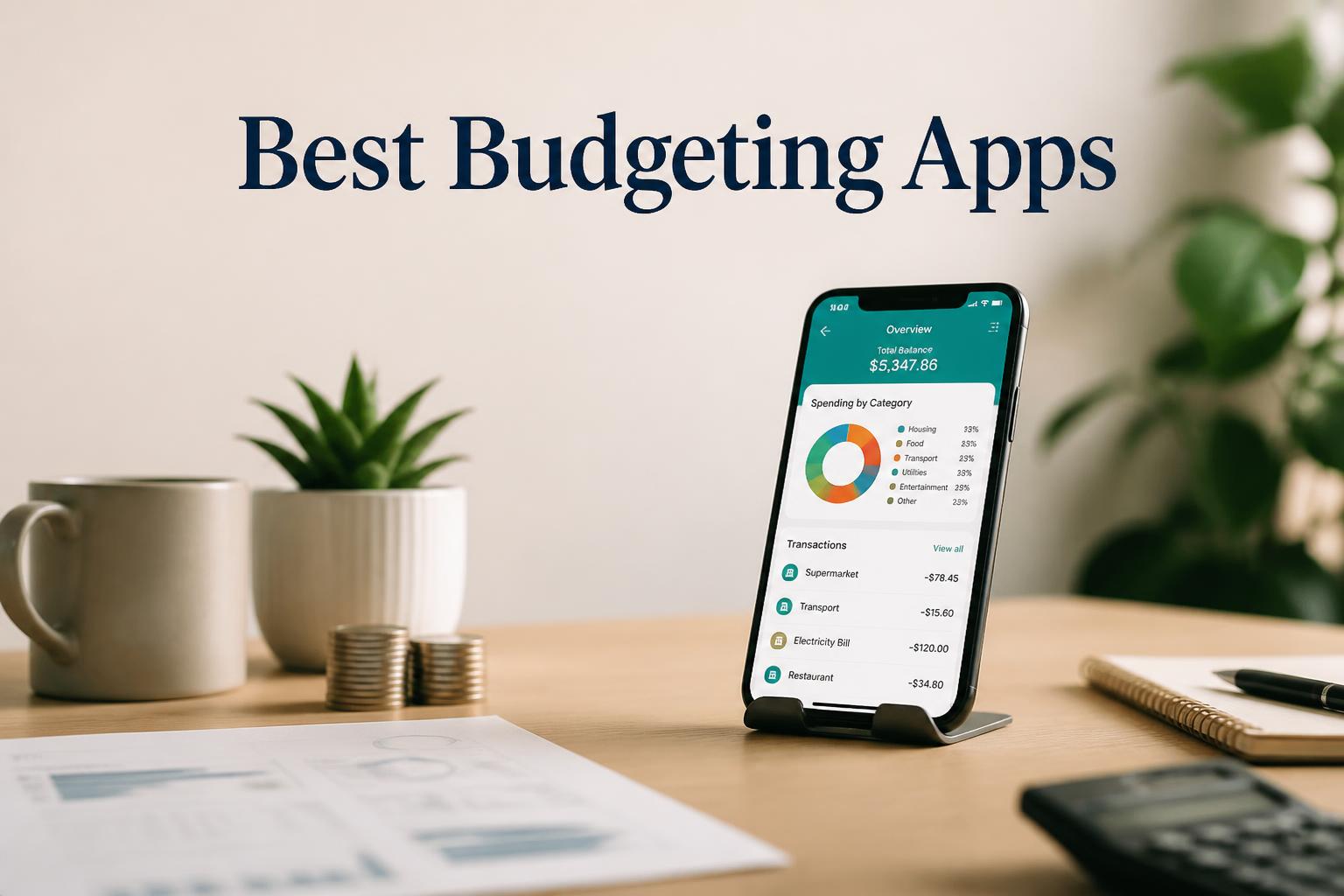
Managing money in 2026 is harder than it looks on paper. Subscriptions pile up, payments are scattered across apps, and spending often slips through unnoticed. A budgeting app mainly helps by pulling all of that into one place and making patterns easier to see.
For this guide, over 25 tools were reviewed based on usability, automation, pricing clarity, mobile experience, and planning features. Apps like YNAB, Monarch Money, and Rocket Money consistently stood out, each for different reasons.
—
At a glance: best budgeting apps 2026
| Tool | Best for | Starting price | Free plan |
|---|---|---|---|
| YNAB | Zero-based budgeting | $14.99/mo | No |
| Monarch Money | Couples and long-term tracking | $14.99/mo | No |
| Rocket Money | Subscriptions and bill reduction | Free–$12/mo | Yes |
| PocketGuard | Simple spending control | Free–$12.99/mo | Yes |
| Goodbudget | Envelope budgeting | Free–$10/mo | Yes |
| EveryDollar | Structured budgeting approach | Free–$17.99/mo | Yes |
| Simplifi | Automation and tracking | $5.99/mo | No |
| Wallet by BudgetBakers | Multi-currency users | Free–$7.99/mo | Yes |
—
How these apps were evaluated
The rankings were based on:
- Ease of use across experience levels
- Automation (bank sync, categorization)
- Budgeting methods supported
- Pricing clarity and value
- Goal tracking and insights
- Mobile and web consistency
—
1. YNAB — structured zero-based budgeting
YNAB is built around assigning every dollar a role before it is spent. It is less about passive tracking and more about planning ahead.
It tends to work best for people who want a stricter system rather than casual expense monitoring.
Key features
- Zero-based budgeting system
- Real-time syncing
- Goal and category planning
- Debt payoff tools
- Educational materials
Pricing
| Plan | Price |
|---|---|
| Monthly | $14.99 |
| Annual | $99 |
Pros
- Clear structure that changes spending habits
- Strong learning resources
- Reliable sync across devices
Cons
- No free version
- Takes time to learn
- Requires initial setup effort
Best suited for: people who want a strict budgeting system rather than a tracking tool.
—
2. Monarch Money — household and net worth tracking
Monarch Money focuses on shared finances and long-term visibility. It brings budgeting and investment tracking into one dashboard.

Key features
- Shared budgeting for households
- Net worth tracking
- Investment aggregation
- Custom goals
- Unified dashboard
Pricing
| Plan | Price |
|---|---|
| Monthly | $14.99 |
| Annual | $99.99 |
Pros
- Works well for couples
- Clear overview of finances
- Strong investment tracking
Cons
- No free tier
- Price may be high for basic users
- Some limitations offline
Best suited for: households managing shared finances and investments.
—
3. Rocket Money — subscription cleanup and savings
Rocket Money focuses on recurring expenses. It identifies subscriptions and helps reduce unnecessary spending.
Key features
- Subscription tracking
- Cancellation assistance
- Spending overview
- Savings tools
- Credit monitoring (premium)
Pricing
| Plan | Price |
|---|---|
| Free | $0 |
| Premium | $3–$12/mo |
Pros
- Useful for finding hidden subscriptions
- Helps reduce monthly costs
- Quick setup
- Free option available
Cons
- Full features require payment
- Limited budgeting depth
- Some tools are behind paywalls
Best suited for: people who want to reduce recurring expenses.
—
4. PocketGuard — simple spending control
PocketGuard shows how much money is left after bills and savings, which makes daily spending decisions easier.
Key features
- “In My Pocket” balance view
- Bill tracking
- Savings goals
- Categorized expenses
- Bank sync
Pricing
| Plan | Price |
|---|---|
| Free | $0 |
| Plus | $12.99/mo |
Pros
- Easy to understand
- Quick setup
- Clear spending limits
Cons
- Limited advanced tools
- Ads in free version
- Less flexible budgeting styles
Best suited for: users who want a simple spending overview.
—
5. Goodbudget — envelope budgeting approach
Goodbudget adapts the envelope system into a digital format, where money is allocated into categories before spending.
Key features
- Envelope-based budgeting
- Shared accounts
- Debt tracking
- Manual entry option
- Web and mobile sync
Pricing
| Plan | Price |
|---|---|
| Free | $0 |
| Plus | $8/mo |
Pros
- Simple structure
- Good for shared budgeting
- Encourages spending discipline
Cons
- Limited automation in free version
- Manual input required
- Basic reporting
Best suited for: users who prefer envelope-style budgeting.
—
6. EveryDollar — structured beginner budgeting
EveryDollar follows a zero-based budgeting approach with a simple interface focused on planning each month.
Key features
- Zero-based budgeting templates
- Debt tracking
- Goal planning
- Optional bank sync
- Simple layout
Pricing
| Plan | Price |
|---|---|
| Free | $0 |
| Plus | $17.99/mo |
Pros
- Easy for beginners
- Clear debt focus
- Simple interface
Cons
- Automation requires paid plan
- Limited insights
- Basic feature set
Best suited for: users starting structured budgeting for debt reduction.
—
7. Simplifi by Quicken — automation-focused tracking
Simplifi by Quicken focuses on reducing manual work by automating transaction tracking and budgeting summaries.
Key features
- Automated transaction tracking
- Spending plans
- Bill monitoring
- Forecasting tools
- Investment overview
Pricing
| Plan | Price |
|---|---|
| Monthly | $5.99 |
Pros
- Strong automation
- Affordable pricing
- Useful reporting
Cons
- No free plan
- Interface feels dated in places
- Occasional sync issues
Best suited for: users who want automation with minimal manual input.
—
8. Wallet by BudgetBakers — multi-currency support
Wallet by BudgetBakers is commonly used by people managing money across different currencies and regions.
Key features
- Multi-currency support
- Budget planning
- Expense tracking
- Cloud sync
- Bank integration
Pricing
| Plan | Price |
|---|---|
| Free | $0 |
| Premium | $7.99/mo |
Pros
- Works well internationally
- Flexible budgeting setup
- Good visualization tools
Cons
- Some features require premium
- Bank sync varies by region
Best suited for: users with cross-border or multi-currency finances.
—
Comparison overview
Feature YNAB Monarch Rocket Money PocketGuard Goodbudget Free plan No No Yes Yes Yes Automation Medium High High Medium Low Core strength Discipline Net worth tracking Subscription cleanup Spending limit view Envelope budgeting Starting price $14.99 $14.99 Free Free Free
—
Choosing the right app
A simple way to decide:
- Structured control → YNAB
- Shared finances → Monarch Money
- Subscription cleanup → Rocket Money
- Simple spending view → PocketGuard
- Envelope budgeting → Goodbudget
- Automation-first → Simplifi
- Multi-currency use → Wallet by BudgetBakers
—
FAQ
What is the best budgeting app overall?
YNAB is often chosen for its structured approach to budgeting.
What is the best free option?
Rocket Money and Goodbudget both offer usable free tiers.
Which app is easiest for beginners?
PocketGuard is the most straightforward due to its spending limit view.
Do budgeting apps help?
They usually help by making spending patterns more visible and easier to manage.
Is YNAB worth it?
It depends on whether you stick with its system. Some users find it pays off through reduced overspending.
—
Final note
Among these options, YNAB is still the most structured system, while Monarch Money is often chosen for shared household finances.
Both are solid starting points depending on how you manage money day to day.