Coinbase Review 2026: Is It Still Worth It?
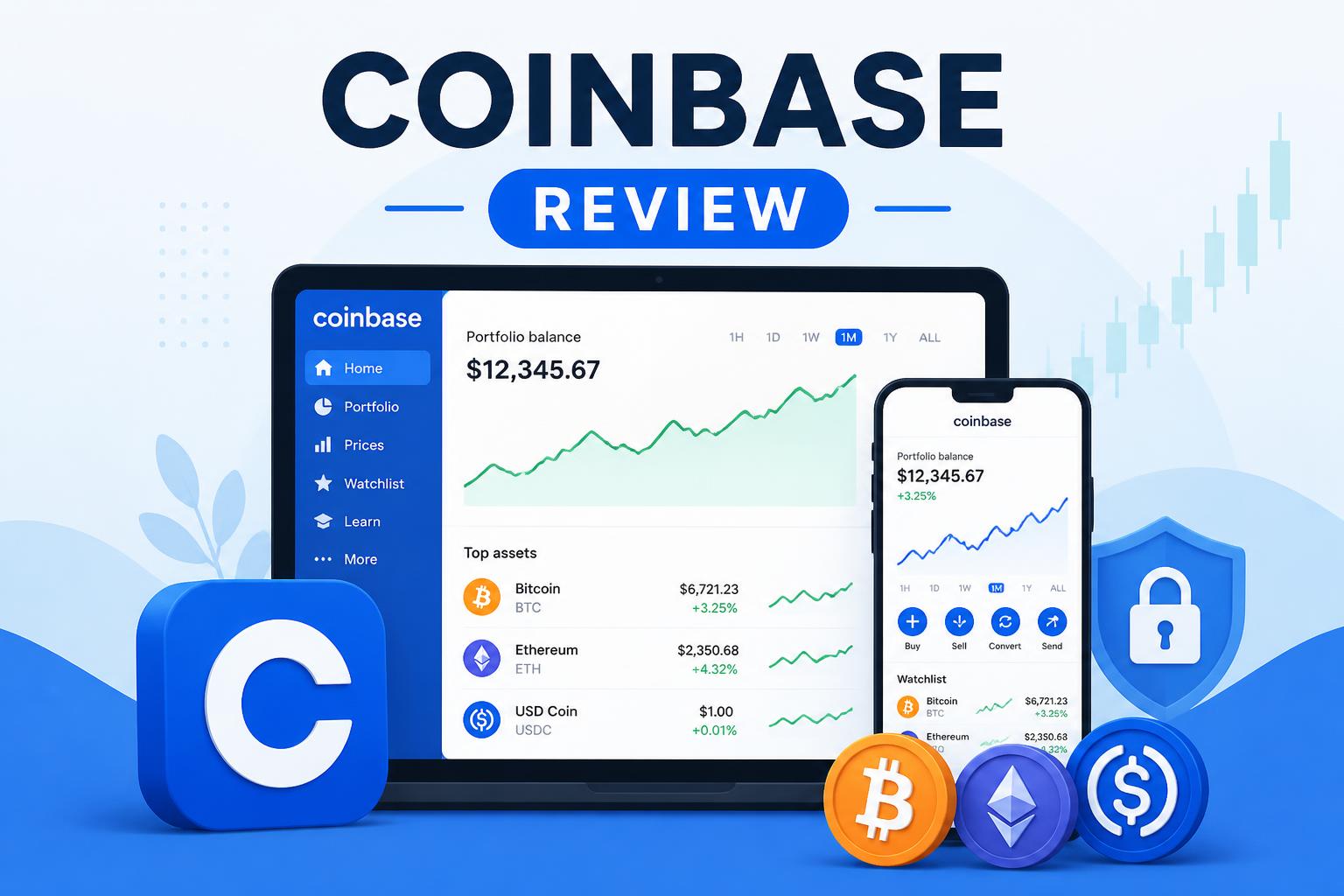
Coinbase has been around long enough that most people in crypto have crossed paths with it. For a lot of beginners, it’s still the first place they end up buying Bitcoin or Ethereum. But the rest of the market has moved fast—lower fees elsewhere, more trading options, and plenty of competitors that didn’t exist a few years ago.
The question today isn’t whether Coinbase works. It does. It’s whether it still makes sense to use, especially once you’ve seen what other exchanges offer.
This review looks at the practical side of things: fees, security, usability, features, and who Coinbase actually fits in 2026.
—
Table of Contents
- What Is Coinbase?
- How Coinbase Works
- Fees Breakdown
- Security and Trust
- Key Features
- Simple vs Advanced Mode
- Pros and Cons
- Who It Fits
- Alternatives
- Final Thoughts
—
What Is Coinbase?
Coinbase is a centralized crypto exchange where you can buy, sell, store, and trade digital assets. It’s a publicly listed company in the U.S. and operates under strict regulation compared to many other exchanges.
It mainly serves three groups:
- People buying crypto for the first time
- Long-term holders
- Traders who use more advanced tools
It still leans heavily into being a “safe starting point” for crypto, with simplicity and compliance taking priority over low fees or advanced features.
—
How Coinbase Works
The platform is split into a few parts:
- A simple buy and sell screen for beginners
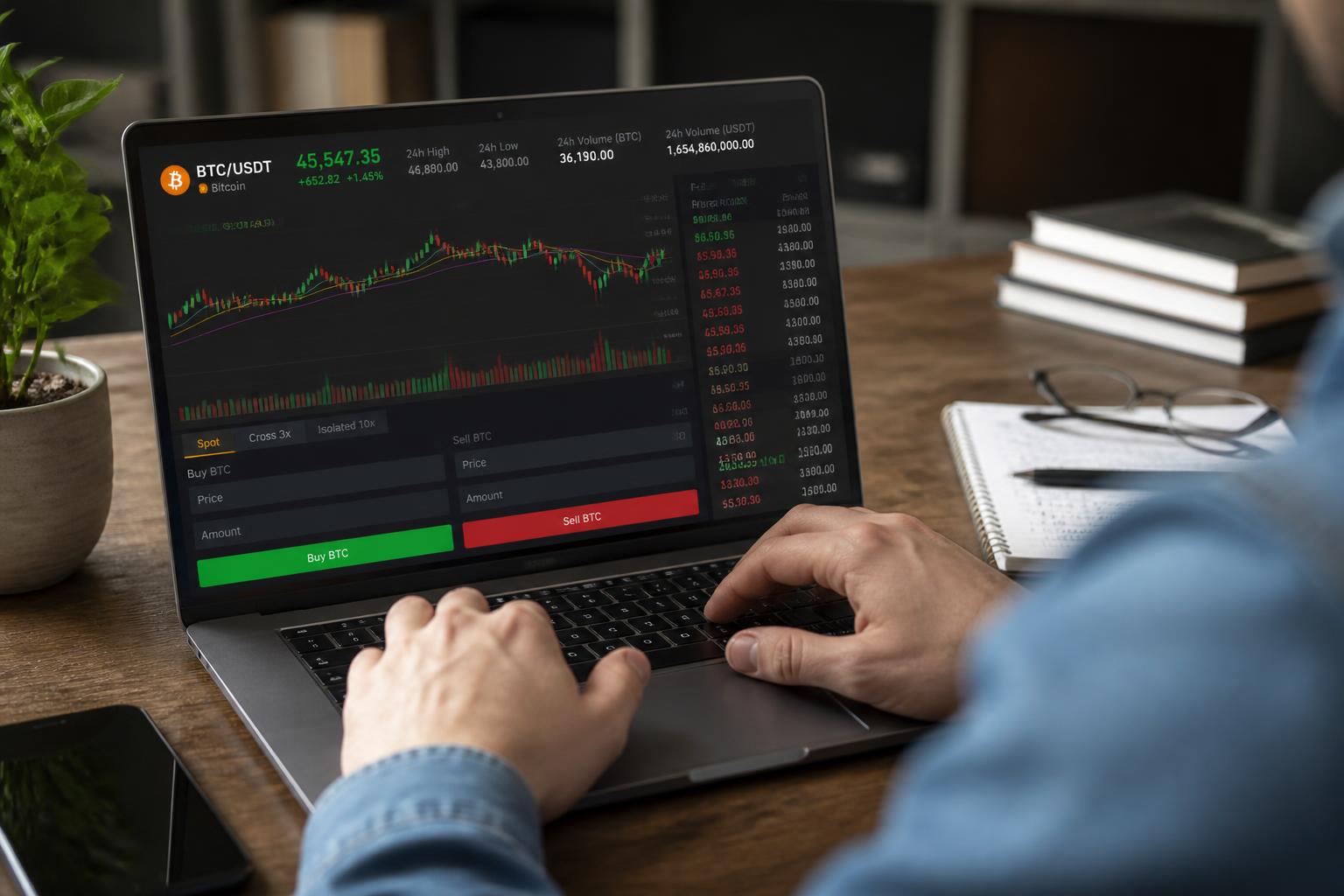
- Coinbase Advanced for trading
- Coinbase Wallet for self-custody
- Staking for supported assets
Getting started is straightforward:
- Create an account
- Complete identity verification
- Add a payment method
- Buy crypto
It only takes a few minutes in most cases. The trade-off is that the easiest path is also the most expensive.
—
Fees Breakdown
This is where most people start to notice the difference.
Fees aren’t fixed. They change based on how you buy and where you’re trading from.
Typical costs:
- Simple buy/sell: around 1.5% to 3.5%
- Card payments: usually higher
- Advanced trading: lower, using maker/taker pricing
On top of that, there’s usually a spread built into the price, especially on instant purchases.
Smaller trades tend to feel the fees more. Larger or frequent traders usually move to Coinbase Advanced to avoid overpaying.
—
Security and Trust
Security is where Coinbase is still ahead of many competitors.
It’s one of the more heavily regulated exchanges and keeps most customer assets in cold storage.
Some common protections:
- Two-factor authentication
- Device verification
- Cold storage for most funds
- Insurance coverage for certain holdings
- Strong compliance procedures
There hasn’t been a large-scale breach that directly drained customer funds, which is part of why it still holds trust in the space.
That said, it’s still a custodial platform. If an account gets compromised, recovery can take time, and users don’t control private keys unless they move funds to Coinbase Wallet.
—
Key Features
Beyond buying and selling, Coinbase includes:
Staking
Earn rewards on selected assets like ETH or SOL.
Recurring purchases
Set up automatic buys over time.
Learning rewards
Small crypto rewards for watching educational content.
Coinbase Wallet
A separate self-custody option for people who want more control.
Advanced trading
Charts, order books, and limit/stop orders through Coinbase Advanced.
—
Simple vs Advanced Mode
The difference between the two matters more than most people expect.
Simple mode
- Easy to use
- Fast purchases
- Higher fees
- Limited control over pricing
Advanced mode
- Lower fees
- Full trading interface
- Order types like limit and stop
- More control over execution
Staying in Simple mode long-term usually means paying more than necessary.
—
Pros and Cons
Pros
- Easy to get started
- Strong regulatory standing
- High security standards
- Simple fiat deposits and withdrawals
- Well-known brand
Cons
- High fees in simple mode
- Advanced tools lag behind specialist exchanges
- Support can be slow
- Some features depend on region
—
Who It Fits
Coinbase works best for:
- Beginners buying crypto for the first time
- People who care more about safety than fees
- Long-term holders
- Users who prefer simple interfaces
It’s less suited for:
- Frequent traders
- People focused on minimizing fees
- Users deep into DeFi
- Traders who want more advanced tools out of the box
—
Alternatives
Depending on what you care about, other platforms may fit better:
- Lower fees: Binance, Kraken
- Simple investing apps: Robinhood Crypto
- Advanced trading: Bybit, OKX
- Full self-custody: hardware wallets and DeFi tools
Most alternatives come down to a trade-off between cost, control, and simplicity.
—
Final Thoughts
Coinbase isn’t trying to compete on price. It never really has.
What it still does well is act as a straightforward entry point into crypto, especially for people who want something familiar and regulated.
Used carefully—especially with Coinbase Advanced—it can still make sense. But once you start caring more about fees or trading tools, it’s easy to see why many people eventually move elsewhere.