How to Compare Frugal Living Strategies in 2026: A Step-by-Step Guide
You’re tired of watching your paycheck disappear. Fast casual meals that used to cost $8 now run $15. Streaming services multiply like weeds. Every “affordable” option seems to hide a catch. The old frugal playbook—clip coupons, buy cheap, repeat—doesn’t work anymore in 2026.
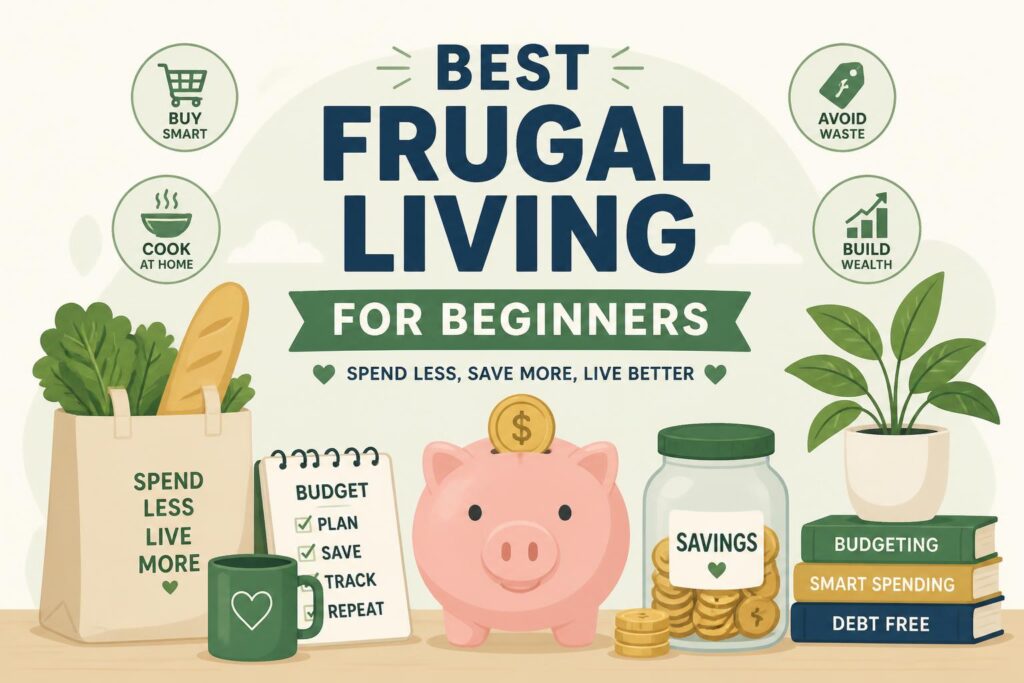
Frugal living in 2026 isn’t about spending less on everything. It’s about maximizing value while avoiding the countless traps designed to drain your wallet. The game has changed. Cheap no longer exists the way it used to, and frugality has shifted from saving money to making smarter decisions about where your money actually goes.
By the end of this guide, you’ll know how to evaluate frugal living strategies that work in 2026’s economic reality—and which outdated tactics to abandon. You’ll learn to identify moves that save thousands annually versus changes that waste your time.
What you need before starting:
- Your current monthly spending breakdown (even a rough estimate works)
- 30 minutes to assess your highest-cost categories
- Willingness to challenge assumptions about what “frugal” means
- Estimated time to implement: 2-4 weeks for full strategy shift
—
Step 1: Track Your Actual Spending Reality
Before comparing any frugal strategy, you need to know where your money currently goes—not where you think it goes.
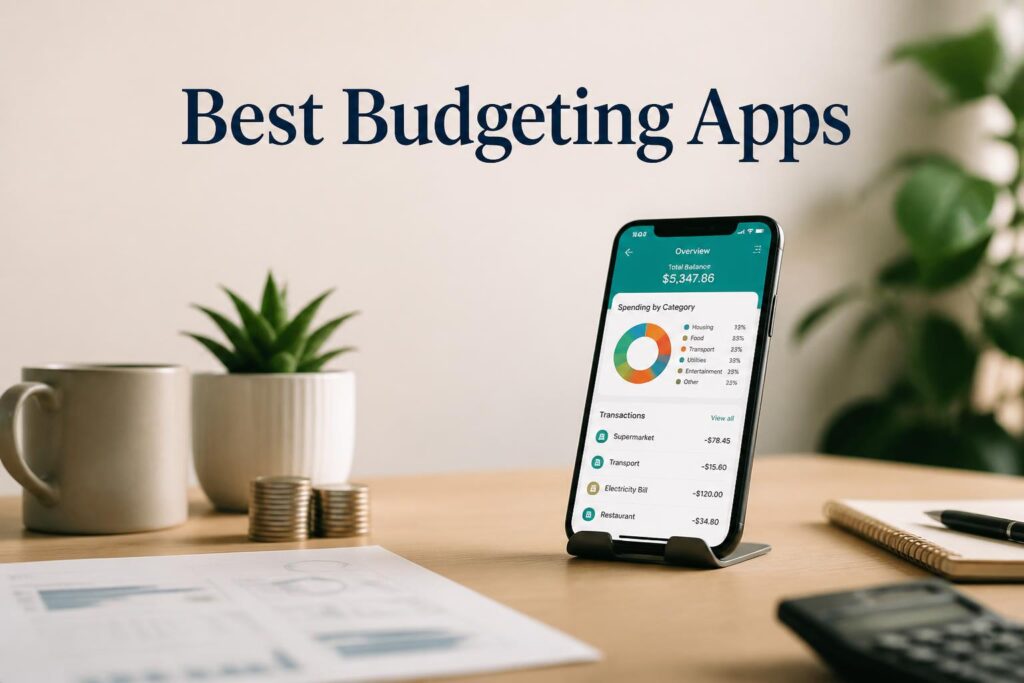
Download a spending tracker app. Pick one that shows your daily spending limit and provides real-time indicators, making it impossible to ignore where money disappears.
- Connect your primary accounts or manually log expenses for 7 days
- Review your spending by category at week’s end
- Identify your top 3 expense categories by dollar amount
Clear patterns will emerge showing that housing typically consumes 25-35% of income, followed by transportation, food, and subscriptions. Your percentages may vary, but the concentration pattern will show up—most people spend 60-70% of their income on just 3-4 categories.
Don’t judge your spending yet. Just observe. Many people discover their “small” expenses (coffee, apps, convenience purchases) pale compared to their big three categories.
—
Step 2: Identify High-Impact vs. Low-Impact Changes
Not all frugal strategies deliver equal returns. A high-impact change saves significant money relative to effort. A low-impact change burns time for minimal savings.
Apply this filter to every frugal strategy you consider:
High-impact indicators:
- Targets one of your top 3 expense categories
- Saves at least $100+ monthly
- Requires setup once, then runs automatically
- Doesn’t require constant vigilance or decision-making
Low-impact indicators:
- Saves less than $20 monthly
- Requires ongoing effort or frequent decisions
- Creates decision fatigue (comparing prices endlessly)
- Affects quality of life negatively
Using your spending data from Step 1, list your top 3 categories. These are your high-impact zones. Any frugal strategy that doesn’t address these zones is low-priority, no matter how popular it is on social media.
Most people discover housing, transportation, and food as their biggest expenses. A $200/month reduction in rent (via roommate, downsizing, or relocation) beats a year of coupon clipping.
—
Step 3: Evaluate Housing Strategies (25-35% of Income)
If housing appears in your top 3 expenses, this is your highest-leverage category.
Compare these strategies based on your situation:
- Calculate your current housing cost as a percentage of gross income
- If it exceeds 30%, evaluate these options in order:
– Can you add a roommate? (Immediate 30-50% reduction)
– Can you relocate to a lower-cost area without losing income?
– Can you negotiate renewal terms or shop competing properties?
– Is house-hacking viable? (Rent rooms, convert space)
- If it’s under 25%, housing is optimized—move to next category
If you’re remote-capable and paying urban rent, run the numbers on relocating to a lower-cost region. This single move can save $500-1,500 monthly—more than any other frugal tactic combined.
In 2026, “buy it for life” is harder. Avoid assuming homeownership is automatically the frugal choice. Run a true rent vs. buy calculation for your market.
—
Step 4: Assess Transportation Costs (The $5,000-10,000 Question)
Transportation typically ranks high in household spending. A one-car household can save $5,000-10,000 annually compared to two-car households.
Evaluate your transportation strategy:
- List all transportation costs: car payments, insurance, gas, maintenance, parking, tolls
- Add them up monthly and multiply by 12 for annual cost
- Compare against these alternatives:
– Going car-free: Transit passes, bike, occasional rideshare
– One-car household: If currently two-car
– Driving less: Batch errands, remote work, walkable neighborhood
- Calculate break-even point: How much would alternative options cost annually?
Many two-car households discover the second vehicle costs $6,000-8,000 yearly when all expenses are included. If that car sits unused 4+ days weekly, elimination is worth considering.
Common mistake: Comparing only gas costs. Insurance, depreciation, and maintenance often exceed fuel spending.
—
Step 5: Redesign Food Spending (The 20-30% Reduction)
Food ranks high for most households. Meal planning can cut food spending 20-30%—but only if executed correctly.

Here’s the system that works in 2026:
Stop eating fast casual food. In 2026, fast casual food is no longer affordable—meals that cost $8 in 2023 now run $15+. This category has become a wealth drain, not a convenience.
Plan meals around pantry staples, not recipes. Buy versatile ingredients (rice, beans, seasonal produce, protein) and create meals from what you have.
Batch cook once weekly. Spend 2-3 hours Sunday preparing base components: grains, proteins, chopped vegetables. Assemble meals daily in 10 minutes.
Track cost per meal. Aim for $3-5 per serving for home cooking. Anything approaching $10/serving needs reevaluation.
A noticeable decrease in grocery spending should appear within 2-3 weeks, plus elimination of $80-150 monthly fast-casual spending. The 20-30% reduction appears when both changes combine.
Extreme couponing and deal-chasing rarely pays off. Strategic meal planning beats coupon hunting for ROI.
—
Step 6: Audit Subscription Spending (The Silent Drain)
The average household pays for 8+ subscriptions. In 2026, streaming bundles and duplicate services have become a major spending trap.
Run this audit:
- List every recurring charge on your last 3 months of statements
- Include streaming services, apps, software, memberships, subscriptions
- For each subscription, answer: “If this disappeared tomorrow, would I resubscribe within a week?”
- Cancel anything that doesn’t get an immediate “yes”
Streaming-specific rule: Digital products have unpredictable pricing in 2026—services raise rates frequently. Keep only ONE primary streaming service. Rotate subscriptions monthly if you need content variety (subscribe, binge, cancel, switch).
Most people discover they’re paying for 3-5 services they rarely use. Cutting to essentials typically saves $40-80 monthly.
—
Step 7: Stop Buying Things That No Longer Deliver Value
In 2026, certain purchase categories have shifted from “worth it” to “trap.”
Avoid these categories:
Most new technology — Offers little innovation for the price. Buy previous-generation models or refurbished.
Digital products at full price — Pricing is unstable; wait for sales or use free alternatives.
Going to the movies — Too expensive for regular outings. Average ticket plus concessions now exceeds $30 per person.
Apply this filter before any purchase:
- Will this add value proportional to cost?
- Is this purchase driven by genuine need or marketing pressure?
- Would I buy this if it weren’t on sale?
The new frugal skill: Restraint. In 2026, decision fatigue is constant—companies design choice overload to trigger impulse purchases. The frugal move is often buying nothing.
—
Step 8: Implement the Frugal Mindset Shift
Successful frugal living in 2026 requires a mental model change. Old frugality said “spend less always.” New frugality says “maximize value ruthlessly.”
Make these mindset adjustments:
Reframe “frugal” vs. “cheap”: Frugal maximizes value. Cheap minimizes cost regardless of value. Buy quality in high-use categories; go basic in low-use areas.
Optimize for time AND money: In 2026, time is becoming the real cost. A strategy that saves $30 but costs 5 hours of hassle isn’t frugal—it’s expensive.
Focus on systems, not willpower: Automate frugal choices. Set up automatic savings transfers, meal delivery schedules, spending limits. Willpower depletes; systems persist.
Less guilt about strategic spending, more confidence in your financial choices, reduced decision fatigue.
Frugal living maximizes value rather than minimizing spending. This distinction separates sustainable frugality from unsustainable deprivation.
—
Step 9: Calculate Your Monthly Savings Rate
Now that you’ve implemented changes, measure results.
Track these metrics monthly:
- Total income (after taxes)
- Total spending (all categories)
- Savings amount (income minus spending)
- Savings rate (savings ÷ income × 100)
Use a spending tracker app to monitor your daily spending limit and maintain real-time awareness of spending patterns.
Target savings rates:
- Beginner frugality: 10-15%
- Intermediate: 20-30%
- Advanced: 35-50%+
Gradual increases in savings rate appear as changes compound. A household cutting transportation by $500/month, food by $300/month, and subscriptions by $60/month saves $860/month—$10,320 annually.
—
Step 10: Review and Adjust Quarterly
Frugal strategies aren’t “set and forget.” Review quarterly to catch lifestyle drift and optimize further.
Every 3 months:
- Export spending data from your tracker
- Compare to previous quarter—identify increases
- Evaluate whether increases were intentional or drift
- Adjust one area based on results
Track these indicators:
- Monthly savings rate trend
- Cost per category compared to targets
- Net worth progress (if tracking)
- “Frugal wins” log—wins that felt effortless
Continuous optimization without deprivation. Quarterly reviews prevent backsliding and identify new opportunities.
—
What You’ve Accomplished
You now have a complete framework for comparing and implementing frugal living strategies in 2026’s economic reality. You’ve identified your high-impact zones, eliminated low-value spending traps, and built systems that maximize value without constant effort.
The frugal strategies that work in 2026 are those that:
- Target your top 3 expense categories
- Save significant money relative to time invested
- Automate decisions rather than requiring daily willpower
- Maximize value instead of minimizing cost
With a spending tracker providing real-time indicators, you can maintain these changes long-term without decision fatigue.
—
Troubleshooting Common Issues
“I implemented changes but don’t see big savings”
Revisit Step 2. Most likely, you optimized low-impact areas while ignoring high-impact zones. Return to your top 3 expense categories and tackle those first.
“My family resists frugal changes”
Frame changes as “maximizing value” rather than “cutting spending.” Involve family in decisions about what truly matters. Cut ruthlessly in areas that don’t affect quality of life; maintain spending in areas that do.
“Frugal living feels restrictive and depressing”
You’re confusing frugal with cheap. Review Step 8’s mindset shift. Frugality should feel like financial control and intentionality, not deprivation.
“I lose motivation after a few weeks”
You’re relying on willpower instead of systems. Automate everything possible. Set up automatic transfers, meal schedules, spending alerts. Remove daily decisions.
“Social pressure makes me overspend”
In 2026, dealing with social pressure to spend more is a core frugal skill. Script responses: “I’m focusing on financial goals right now.” Suggest low-cost alternatives. Find friends who share frugal values.
—
Next Steps
Now that you’ve mastered comparing frugal living strategies:
- Tackle your highest-impact zone first — Housing, transportation, or food. One category, optimized well, beats scattered changes.
- Set up automated tracking — Download a spending tracker app to monitor spending without manual effort.
- Join a frugal community — Reddit’s r/Frugal or similar communities provide accountability and strategy refinement.
- Track net worth monthly — Savings mean nothing if not invested. Monitor net worth progress as your true frugality scorecard.
- Plan your next move — Once your first zone is optimized, move to the second-highest category.
Living frugally could still be effective toward reaching financial goals in 2026, despite economic challenges. The difference between success and frustration is focusing on high-impact changes rather than trying to optimize everything at once.
—
FAQ
What’s the difference between frugal and cheap?
Frugal maximizes value—spending intentionally on what matters while cutting ruthlessly in areas that don’t. Cheap minimizes cost regardless of value or quality. Frugal living means buying quality boots that last 10 years rather than cheap boots that fail annually.
How much money can frugal living actually save?
High-impact frugal changes can save $500-1,500 monthly for most households. A one-car household saves $5,000-10,000 annually. Meal planning cuts food spending 20-30%. Housing optimization (roommates, downsizing, relocation) can save $300-1,000+ monthly.
Can you live frugally and still enjoy life?
Yes—this is the core misunderstanding about frugality. You can live frugally and still enjoy life by maximizing value in areas that matter to you personally while cutting spending in areas that don’t affect your happiness. Strategic frugality increases life satisfaction by reducing financial stress.
What are the easiest frugal changes to start with?
Start with subscription audits (30 minutes, saves $40-80/month) and eliminating fast casual food (saves $80-150/month). These require minimal lifestyle adjustment but deliver immediate results.
Is frugal living worth the time and effort?
Only if you focus on high-impact changes. Extreme couponing and penny-pinching rarely justify the time investment. But optimizing your top 3 expense categories—housing, transportation, food—absolutely justifies effort, often saving $10,000-20,000+ annually.
What frugal tips actually don’t work or aren’t worth it?
In 2026, these tactics waste time: extreme couponing, driving across town for sales, buying cheap items that break quickly, obsessing over small expenses while ignoring large ones. Focus on your high-impact zones instead.
How do I stay motivated to live frugally?
Track net worth monthly, not just spending. Seeing your net worth increase by $500-1,000+ monthly provides motivation that “spending less” doesn’t. Use a spending tracker’s real-time indicators to maintain awareness without constant manual tracking.
Can frugal living help with debt payoff?
Absolutely. High-impact frugal changes can free up $500-1,500 monthly to accelerate debt payoff. A household implementing all strategies in this guide could eliminate $10,000-20,000 in debt within a year.