Best Debt Payoff Tools and Strategies in 2026 (Ranked and Reviewed)
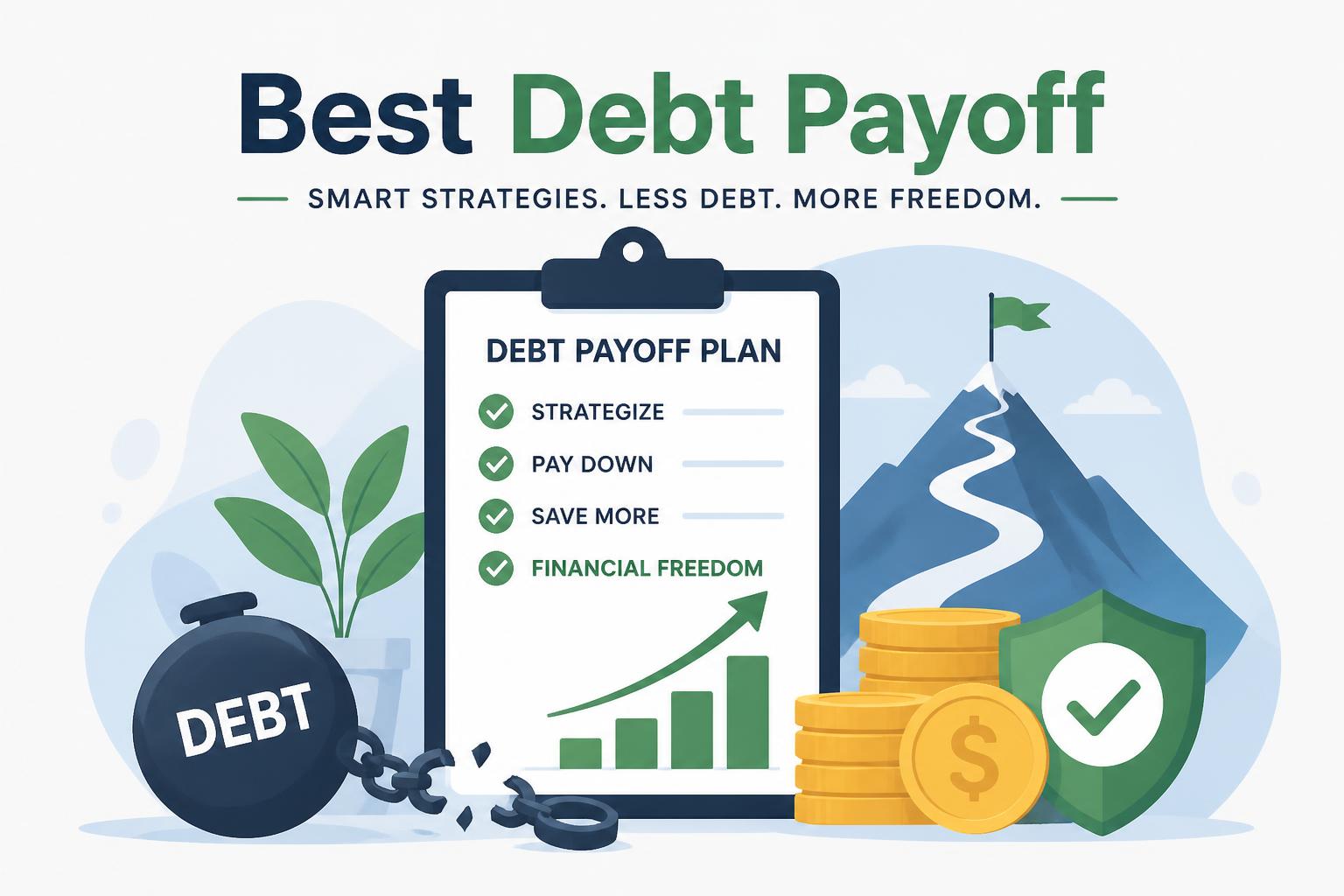
Getting out of debt usually looks simple from the outside. In practice, it’s a mix of numbers, habits, and whatever emotional energy you have left after paying bills. Credit cards, student loans, personal loans, buy-now-pay-later balances — it adds up fast, and it’s easy to lose track of what actually helps you move forward.
There isn’t one “best” way to pay off debt. Some people do better with strict structure. Others need early wins to stay motivated. And a lot of people end up combining tools without even planning to.
This guide breaks down the most useful debt payoff methods and tools in 2026, from simple strategies like snowball and avalanche to budgeting apps and automation tools.
—
At a glance
Tool / Method Best for Cost Free option Debt Snowball Staying motivated Free Yes Debt Avalanche Saving on interest Free Yes Undebt.it-style planners Tracking payoff plans $0–$12/mo Yes YNAB Full budgeting system $14.99/mo No Monarch Money Clean budgeting dashboards $14.99/mo No Automation apps (Tally-style) Hands-off credit card management Varies No Empower Dashboard Free tracking Free Yes Round-up apps (Qoins-style) Small automatic extra payments $1–$5/mo Limited
—
How these were evaluated
The focus here isn’t just “which tool looks best,” but what actually helps people pay off debt in real life.
We looked at:
- How fast debt can realistically be reduced
- How easy it is to stick with the method
- Whether the system runs itself or needs manual effort
- Whether it helps behavior change or just tracks numbers
- Total cost versus what you get
- Whether it works alongside budgeting
—
1. Debt snowball — small wins first
The snowball method is simple: start with the smallest debt, clear it, then move to the next one.
It ignores interest rates on purpose. That’s not an accident — it’s what makes it work for a lot of people.
You can use it with any app or even a notebook.
How it works
- List debts from smallest balance to largest
- Pay minimums on everything
- Put extra money toward the smallest debt
- Roll that payment into the next one once it’s cleared
What it’s good at
- Easy to understand
- Fast psychological wins early on
- Helps people stick with a plan
Where it falls short
- Can cost more in interest
- Not the most efficient mathematically
- Depends heavily on consistency
Best suited for people who need momentum more than optimization.
—
2. Debt avalanche — lowest cost approach
Avalanche flips the order. You start with the highest interest debt first.
It’s less emotionally satisfying at the beginning, but it usually saves more money over time.
How it works
- List debts by interest rate
- Pay minimums on all debts
- Put extra money toward the highest APR first
What it’s good at
- Minimizes total interest
- Often the fastest financially
- Works especially well with credit card debt
Downsides
- Progress can feel slow at first
- Requires patience
- Easier to abandon if motivation drops
Best for people focused on efficiency and total cost.
—
3. Undebt.it-style planners — structured tracking
These tools sit between spreadsheets and full budgeting apps. They help you map out a payoff plan and visualize progress.
What they usually include
- Snowball or avalanche setup
- Payoff timeline projections
- Extra payment simulations
- Visual progress tracking
Pros
- Clear structure without full budgeting complexity
- Helps you see the finish line
- Flexible strategy switching
Cons
- Still requires manual updates
- Basic design compared to modern apps
- Limited budgeting support
Good for people who already know their budget and just want a payoff system.
—
4. YNAB — full budgeting system
YNAB is less about debt payoff specifically and more about changing how you handle money day to day.
Every dollar gets assigned a job, which naturally pushes extra money toward debt.
What stands out
- Zero-based budgeting approach
- Real-time tracking
- Goal setting for debt payoff
- Bank syncing
Pros
- Strong habit change over time
- Prevents new debt from building up
- Works well on mobile
Cons
- Takes time to learn
- Monthly subscription cost
- More system than tool
Best if you want long-term control, not just payoff tracking.
—
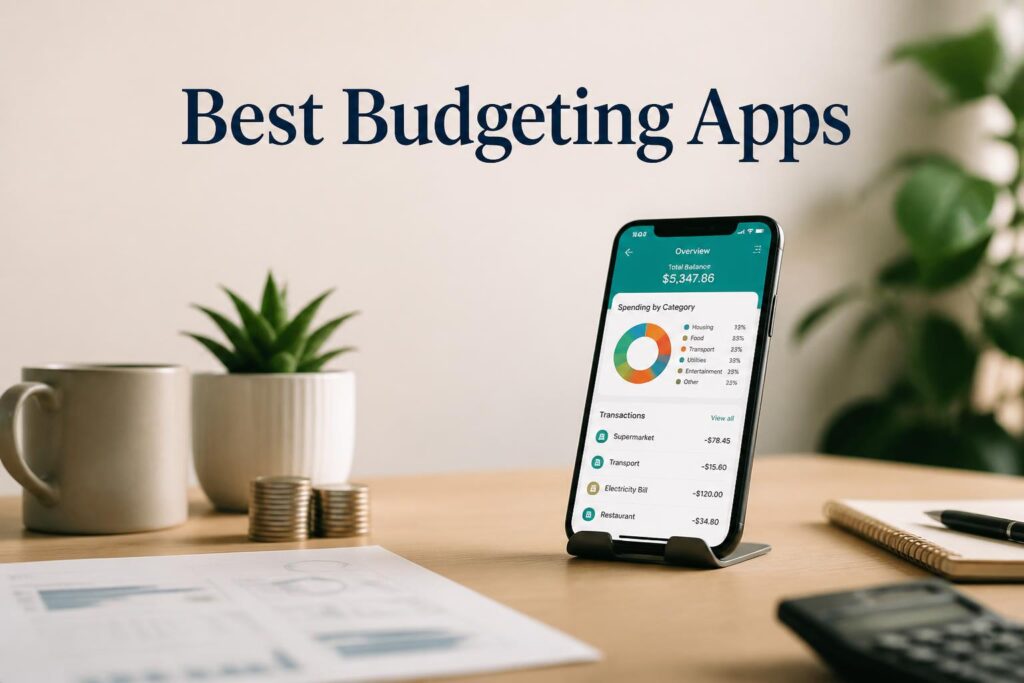
5. Monarch Money — modern budgeting with clear visuals
Monarch Money is built around clean design and shared financial visibility.
What it does well
- Net worth tracking
- Debt overview in one dashboard
- Shared household accounts
- Visual progress tracking
Pros
- Easy to look at and understand
- Good for couples or families
- Strong dashboard experience
Cons
- No free version
- Less strict guidance than YNAB
- Still evolving features
Best for people who want clarity without complexity.
—
6. Automation apps (Tally-style)
Tools like Tally try to reduce credit card stress by automating payments and sometimes consolidating balances.
What they do
- Combine or manage multiple credit cards
- Automate monthly payments
- Optimize interest where possible
- Reduce manual tracking
Pros
- Less to manage day to day
- Can reduce missed payments
- Helps with multiple cards
Cons
- Not available everywhere
- Requires credit approval
- Less control over strategy
Best for people who feel overwhelmed by credit card management.
—
7. Empower dashboard — free overview tool
Empower Personal Dashboard is more of a tracking system than a payoff tool.
What it offers
- Net worth tracking
- Debt overview
- Spending insights
- Account aggregation
Pros
- Free
- Easy setup
- Good big-picture view
Cons
- No real payoff planning
- Limited customization
- Upsells advisory services
Best as a free monitoring tool alongside another strategy.
—
8. Round-up apps — small automatic progress
These apps take spare change from purchases and apply it toward debt.
How it works
- Rounds up transactions
- Sends difference toward debt
- Runs in the background
Pros
- Fully automatic
- Low effort
- Cheap to use
Cons
- Slow impact on its own
- Depends on spending habits
- Not a full strategy
Best as a side tool, not a main plan.
—
Quick comparison
| Feature | Snowball | Avalanche | Planner | YNAB | Monarch | Automation | Empower |
|---|---|---|---|---|---|---|---|
| Free | Yes | Yes | Yes | No | No | No | Yes |
| Saves most interest | Low | High | Medium | Medium | Medium | High | Low |
| Automation | No | No | No | Partial | Partial | High | No |
| Budgeting | No | No | Limited | High | High | Medium | Medium |
| Ease of use | High | Medium | Medium | Low | High | High | High |
—
How to choose
It usually comes down to what you’re struggling with most.
- Need motivation? Snowball
- Want to save money? Avalanche
- Want structure? Undebt.it-style planner
- Want full control? YNAB
- Want clean visuals? Monarch Money
- Overwhelmed by credit cards? Automation tools
- Just want something free? Empower
- Want passive progress? Round-up apps
Most people end up combining one main strategy with one supporting tool.
—
FAQ
What’s the best method overall?
There isn’t one. Snowball helps you stay consistent, avalanche reduces cost.
What actually pays debt off fastest?
High income + reduced spending + avalanche method tends to work fastest.
Is YNAB worth it?
Yes if you want structure and long-term behavior change.
What’s the cheapest option?
Snowball or avalanche are free. Empower is the best free app.
Can I mix tools?
Yes. That’s actually what most people end up doing.
—
Final thoughts
The best setup in 2026 is usually a mix: avalanche for math, plus a tracking tool like a planner or budgeting app to keep things visible.
If that feels like too much, start simpler. Snowball still works. What matters more than the method is sticking with it long enough to see real progress.
Debt payoff is less about finding the perfect system and more about not stopping halfway through.