Frugal Living for Beginners: A Complete Guide
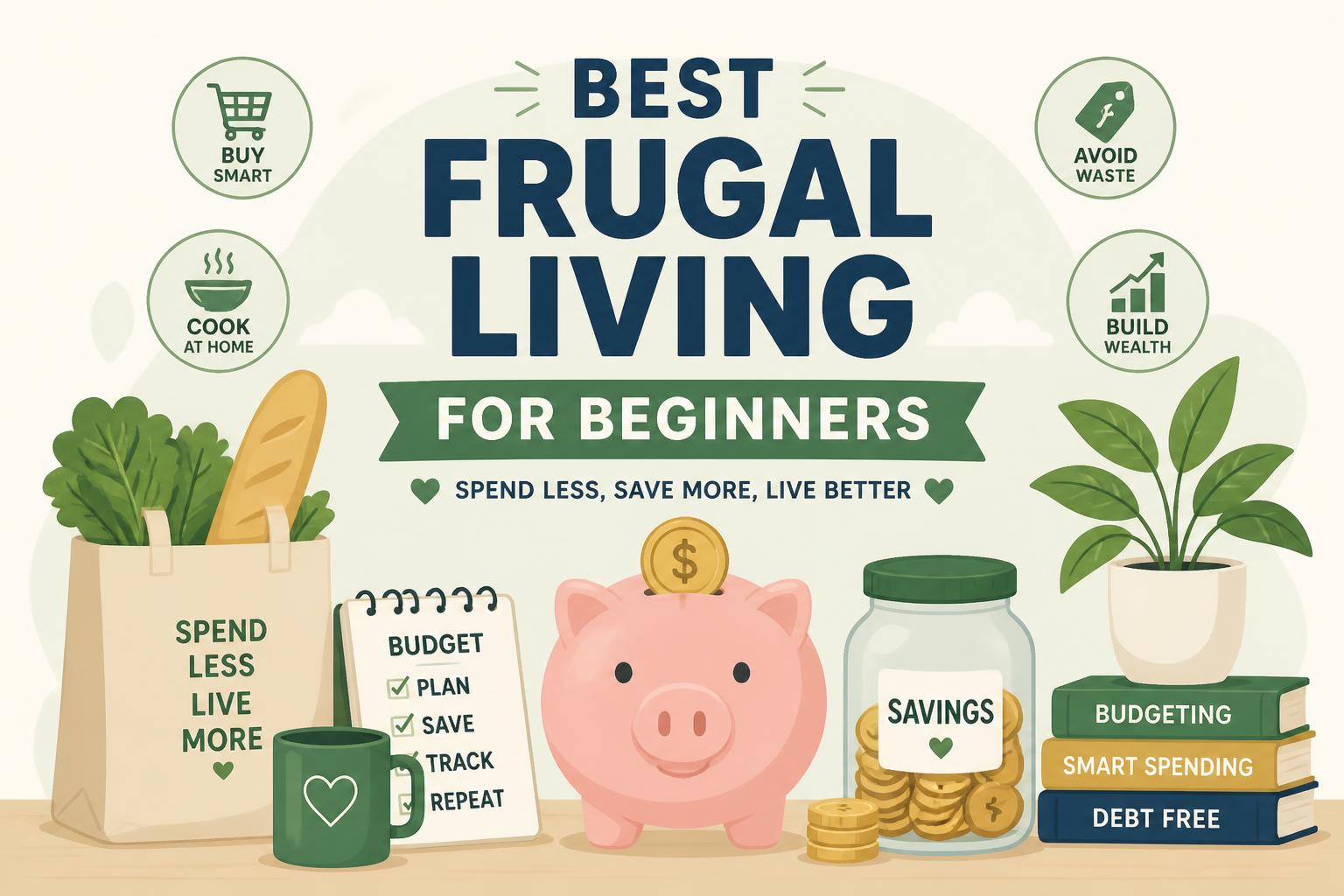
Living frugally means making intentional choices about where your money goes. This guide covers practical strategies that actually work.
What is frugal living?
Being mindful with spending. Prioritizing value over price. Making conscious decisions about money.
It’s not about being cheap. It’s about maximizing the value of every dollar while building financial security. The goal: eliminate waste, reduce unnecessary expenses, redirect savings toward debt payoff, emergency funds, or investments.
Why bother?
Financial freedom — Close the gap between income and expenses faster.
Less stress — Living below your means creates a buffer for unexpected expenses.
Environmental benefit — Buying less, reducing waste, and repairing instead of replacing helps the planet.
Intentional living — Evaluate what truly matters instead of buying on autopilot.
Getting started
Track your spending
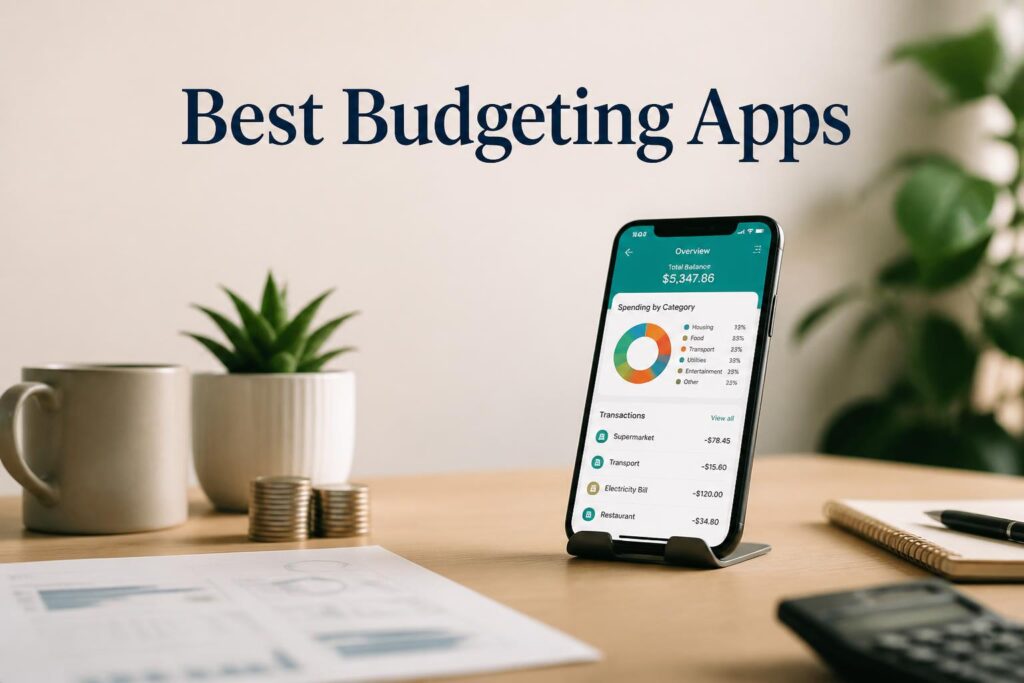
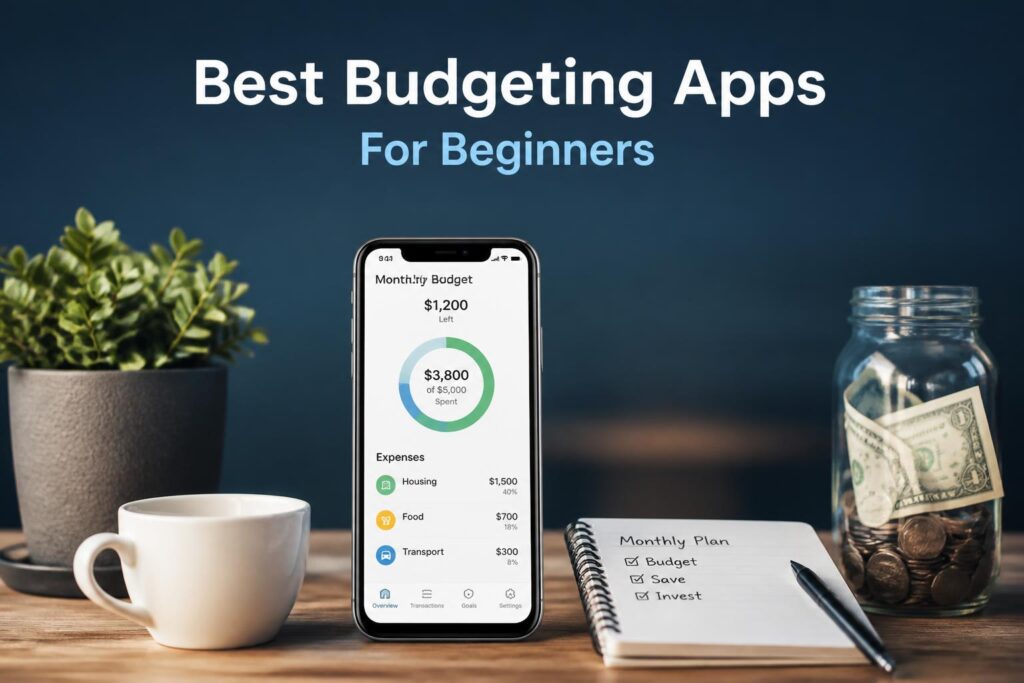
You can’t improve what you don’t measure. Track every expense for one month. Coffee, subscriptions, groceries, everything. Use a spreadsheet, budgeting app, or pen and paper.
This reveals where your money actually goes versus where you think it goes. Most people discover forgotten subscriptions, frequent impulse purchases, or underestimated dining costs.
Identify your values
Not all frugal strategies fit everyone. Someone who values cooking might happily meal prep but resist cutting entertainment subscriptions. Another person might prefer generic groceries but prioritize gym memberships.
List your top five priorities. Protect spending on these. Cut ruthlessly elsewhere.
Set specific goals
“Save more money” fails. “Save $5,000 for an emergency fund in 12 months” gives you direction.
Break large goals into monthly targets. $5,000 yearly means roughly $417 monthly—a concrete number.
Practical strategies
Housing (25-35% of income)
Small improvements here create significant savings.
Rent a room — If you have extra space, renting can cut housing costs in half. Screen tenants carefully.
Negotiate rent — Research comparable properties before renewal. Landlords often accept 3-5% below asking rather than face vacancy costs.
House hacking — Buy a multi-unit property, live in one unit, rent the others to cover your mortgage. Requires upfront capital but builds equity while minimizing housing costs.
Downsize — Moving to a smaller space or less expensive neighborhood can save hundreds monthly. Calculate moving costs first.

Food
Most flexible budget category.
Meal planning — Plan weekly menus before shopping. Prevents impulse purchases and reduces waste. Base meals around sale items and seasonal produce.
Batch cooking — Dedicate a few hours weekly to preparing multiple meals. Freeze portions. Prevents expensive takeout when you’re too tired to cook.
Strategic shopping — Buy generic brands for staples. Purchase meat on sale and freeze it. Shop ethnic markets for spices. Use cashback apps. Don’t shop hungry.
Grow your own — Even apartment dwellers can grow herbs, lettuce, and tomatoes on a windowsill. A small herb garden saves $50-100 yearly.
Reduce meat — Try “Meatless Mondays” or more beans, lentils, eggs. One vegetarian meal daily can save $50-75 monthly.
Transportation
Beyond car payments: insurance, fuel, maintenance, depreciation.
Buy used — New cars lose 20-30% value in the first year. A reliable 3-5 year old vehicle costs half as much.
Maintain properly — Regular oil changes, tire rotations, preventive maintenance prevent expensive repairs.
Bike or walk — For trips under two miles, consider alternatives. Saves fuel, reduces maintenance, improves health.
Public transit — If available, eliminates insurance, maintenance, parking costs. Even part-time use reduces vehicle wear.
Carpool — Share commuting costs with coworkers. Alternating drivers cuts costs by 50-75%.
Utilities
Energy audit — Many utilities offer free home energy audits. Address the top three issues.
Programmable thermostat — Automatically adjust temperature when away or sleeping. Saves 10-15% on heating and cooling.
LED bulbs — 75% less energy, last 25 times longer than incandescent bulbs.
Weatherstrip — Seal air leaks around windows and doors. Can reduce heating/cooling costs by 5-10%.
Cold water laundry — Saves energy without reducing cleaning effectiveness for most loads.
Bundle services — Internet, phone, cable packages can save 15-20%. But only if you need all included services.
Entertainment
Library card — Free books, movies, music, magazines, streaming services. Many libraries offer free museum passes, tool lending, classes.
Free community events — Check local calendars for concerts, festivals, art shows, outdoor movies.
Subscription audit — List all subscriptions. Cancel anything you haven’t used in 30 days. Rotate services—subscribe to one streaming service monthly, cancel when you’ve watched everything interesting.
Outdoor activities — Hiking, biking, picnics, beach visits cost nothing beyond transportation.
Host instead of going out — Dinner parties, game nights, potlucks cost a fraction of restaurant prices.
Clothing
Buy quality basics — Invest in well-made essentials: jeans, plain t-shirts, versatile shoes. They cost more initially but last years longer.
Thrift stores — High-quality brands at 80-90% off retail. Focus on classic styles.
Capsule wardrobe — Build a small collection of versatile pieces that mix and match. Reduces decision fatigue and impulse purchases.
Care properly — Follow washing instructions, hang dry when possible, repair minor damage immediately. Proper care doubles clothing lifespan.
Clothing swaps — Exchange clothes with friends. Free wardrobe refresh.
Healthcare
Preventive care — Annual checkups catch problems early when treatment is cheaper.
Generic medications — Chemically identical to brands but cost 80-85% less.
HSA contributions — If eligible, health savings accounts offer triple tax advantages.
Shop around — Procedure costs vary wildly. For non-emergency care, call multiple providers for quotes.
Negotiate bills — Medical billing contains frequent errors. Review carefully and negotiate payment plans or discounts for cash payment.
Advanced techniques
The 30-day rule
For non-essential purchases over $50, wait 30 days. Add the item to a list with the date. If you still want it after 30 days, buy it. Most items lose appeal.
Envelope budgeting
Withdraw cash for variable spending categories (groceries, entertainment, dining out). When the envelope is empty, you’re done spending in that category.
Annual expense analysis
Once yearly, review every recurring expense. Call service providers, ask about discounts. Threatening cancellation often triggers retention offers. This 2-3 hour process typically saves $500-1,000 annually.
DIY skills
Learn basic home repair, vehicle maintenance, cooking techniques, alterations. YouTube has free tutorials. Each skill learned reduces dependence on paid services.
Buy Nothing groups
Join local groups where community members give away items they no longer need. Good for furniture, clothes, toys, household items.
Mistakes to avoid
Penny wise, pound foolish
Don’t sacrifice $500 in savings to earn $20. If driving 30 minutes to save $3 on groceries, you’re “earning” $6/hour—below minimum wage.
Focus on high-impact areas. Cutting housing costs by $200 monthly matters more than extreme couponing saving $30.
Buying low quality to save money
Cheap boots lasting one winter cost more than quality boots lasting five winters. Calculate cost-per-use, not just upfront price.
Ignoring opportunity costs
Spending four hours making cleaning products from scratch saves $5 but costs four hours you could spend working, learning skills, or with family.
Depriving yourself completely
Extreme frugality leads to burnout and overspending rebounds. Budget for guilt-free spending on things you value.
Neglecting relationships
Refusing all social invitations because they cost money damages relationships. Budget for social spending that matters.
Track progress
Monitor monthly:
Savings rate — (Income – Expenses) ÷ Income. Target 20% minimum, 30-50% if pursuing financial independence.
Net worth — Assets minus debts. Even if negative initially, watching it grow helps.
Debt payoff — Track principal balance decrease.
Goal progress — Measure advancement toward specific goals.
Create your plan
- Track spending for one month
- Identify your top three expense categories beyond housing
- Choose three strategies to implement immediately
- Set one specific financial goal with a timeline
- Review monthly and adjust
Start small. Implementing three changes consistently beats attempting fifteen and abandoning them all.
Conclusion
Frugal living isn’t about deprivation. It’s about being intentional with money. Focus on what truly matters and eliminate waste elsewhere.
Track your spending for a week. Pick one strategy from this guide. Start tomorrow.