YNAB review 2026: is it worth it?
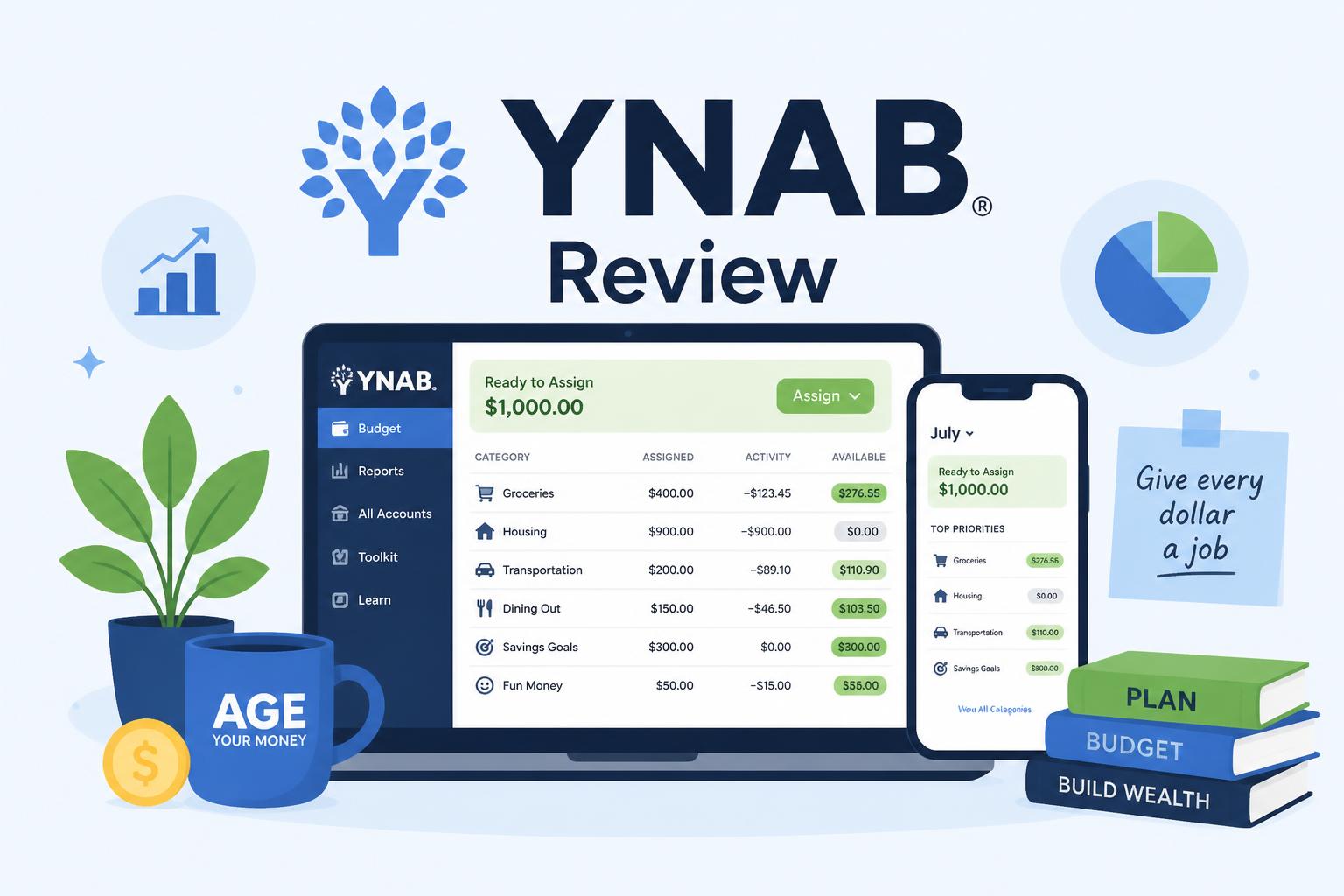
Most budgeting apps follow a familiar pattern. They feel useful for a short time, then gradually stop getting used.
YNAB (You Need A Budget) comes up often because it works differently. Instead of tracking spending after the fact, it pushes you to decide in advance what your money is for.
The real question in 2026 is simple: does that approach justify the subscription cost?
This review looks at how it works, where it helps, and where it may feel like too much effort.
—
What is YNAB?
YNAB is a zero-based budgeting tool. Every dollar is assigned a purpose before it is spent.
It doesn’t focus on past spending. It focuses on what you plan to do with the money you already have.
That shift changes the experience quite a bit.
Most budgeting apps answer: “Where did my money go?”
YNAB pushes you to answer: “What should I do with what I have right now?”
For some people, that shift clicks immediately. For others, it feels restrictive.
—
How YNAB works
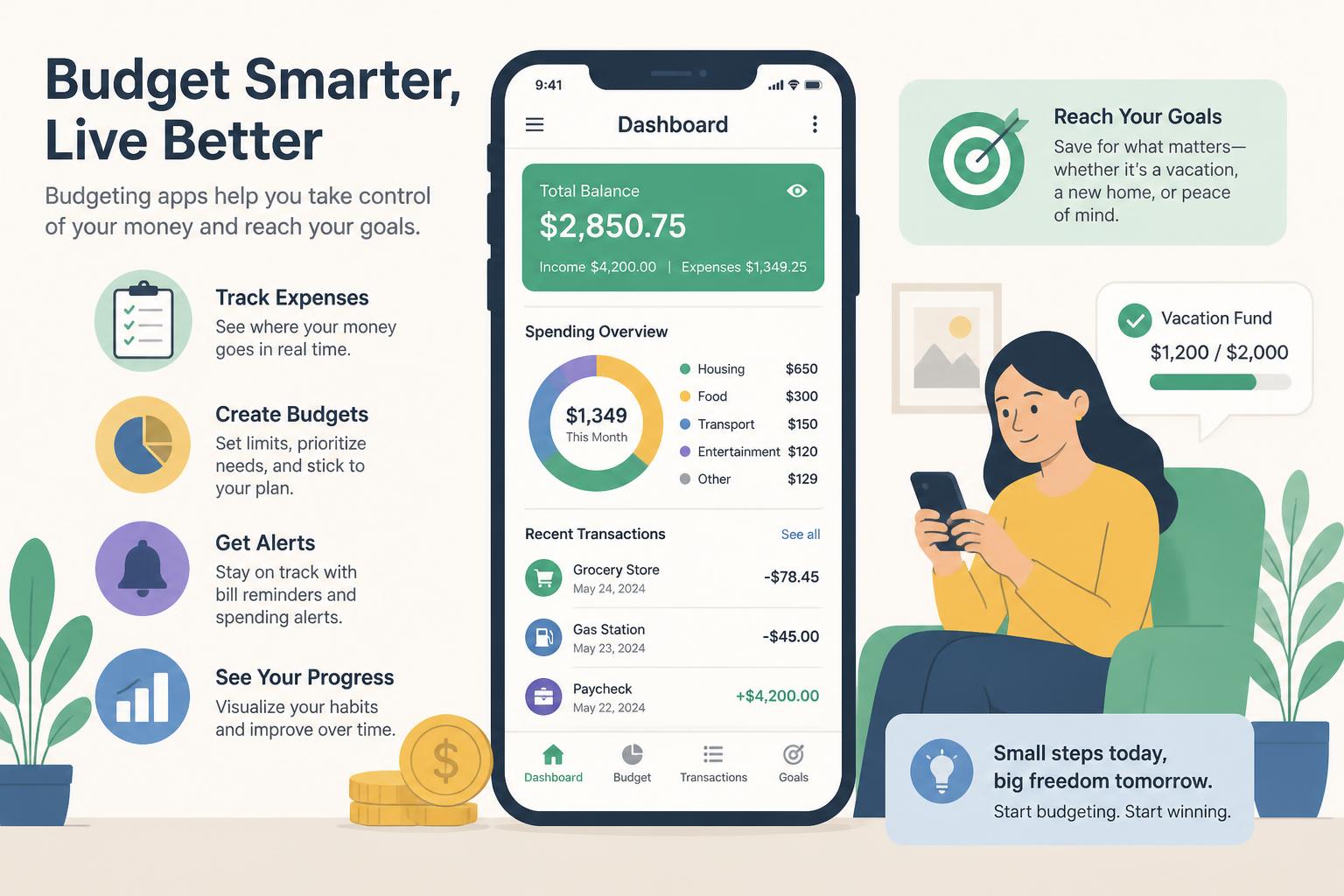
The system is built around four rules.
rule 1: give every dollar a job
You assign money to categories like rent, groceries, debt, or savings. Nothing stays unassigned.
rule 2: plan for real expenses
Bills that don’t come every month still matter. Car repairs, insurance, and medical costs are planned in advance.
rule 3: adjust when things change
If you overspend in one category, you move money from another. The system expects this.
rule 4: let your money “age”
The goal is to spend money you earned at least a month ago, which creates a buffer between income and spending.
—
key features in 2026
real-time syncing
Transactions update across devices once they are entered or synced.
bank connection and manual entry
You can link accounts or enter spending yourself if you prefer more control.
goal tracking
Common goals include building savings, paying down debt, or saving for a specific purchase.
category-based budgeting
Money is organized into categories instead of one shared balance.
reports
You can review spending patterns and see how categories change over time.
—
pricing in 2026
YNAB is subscription-based.
- Monthly plan: mid-range subscription pricing
- Annual plan: lower cost per month
There is no permanent free version, only a trial in most regions.
For many people, this is the main hesitation.
The decision usually comes down to whether the system helps you save more than it costs.
For regular users who stick with it, that often turns out to be true. For casual users, not always.
—
pros and cons
pros
- Encourages clearer money decisions
- Helps build savings habits and reduce debt
- Makes overspending more visible in real time
- Works well for shared household budgets
cons
- Takes time to learn at the beginning
- Requires ongoing attention
- Subscription cost may not suit everyone
- Not ideal if you only want passive tracking
—
who it suits
YNAB tends to work best for people who:
- struggle with overspending
- want more structure around money
- are focused on saving or debt payoff
- prefer a system with clear rules
It may not fit well if you:
- only want automatic tracking
- don’t want to manage categories
- prefer a hands-off approach
—
YNAB vs other options
vs simple tracking apps
Basic apps show where money went. YNAB focuses on where it should go next.
vs spreadsheets
Spreadsheets give flexibility but require manual setup. YNAB provides structure out of the box.
vs newer AI budgeting tools
AI tools reduce effort but often stay surface-level. YNAB asks for more input but tends to shape behavior more strongly.
The tradeoff is mostly between convenience and control.
—
common mistakes
trying to make everything perfect
YNAB doesn’t depend on perfect data. It depends on consistent use.
treating adjustments as failure
Moving money between categories is part of the system, not a mistake.
expecting quick change
It usually takes a few weeks before habits start shifting.
using it like a tracker
It works better when treated as a planning tool rather than a log.
—
real-world impact
People who stick with it often notice changes like:
- less impulse spending
- clearer separation between fixed and flexible costs
- more consistent saving
- fewer end-of-month surprises
The biggest shift is less technical and more mental.
You start deciding where money goes before it disappears, instead of reacting afterward.
—
final verdict
YNAB is not trying to be a simple budgeting app. It is closer to a structured system for managing money decisions.
That makes it effective for some people and unnecessary for others.
If you want something that runs quietly in the background, it will likely feel like too much effort.
If you want a system that changes how you think about spending, it remains one of the stronger options available in 2026.
—
faq
is YNAB worth it?
It tends to be worth it for people who actively use it. It is less useful if you prefer passive tracking.
is it beginner friendly?
Yes, but expect a short learning period at the start.
can couples use it?
Yes. Shared budgets are one of its common use cases.
is there a free version?
Only a trial is available in most regions.
what makes it different?
It focuses on planning money before spending it, rather than reviewing it afterward.