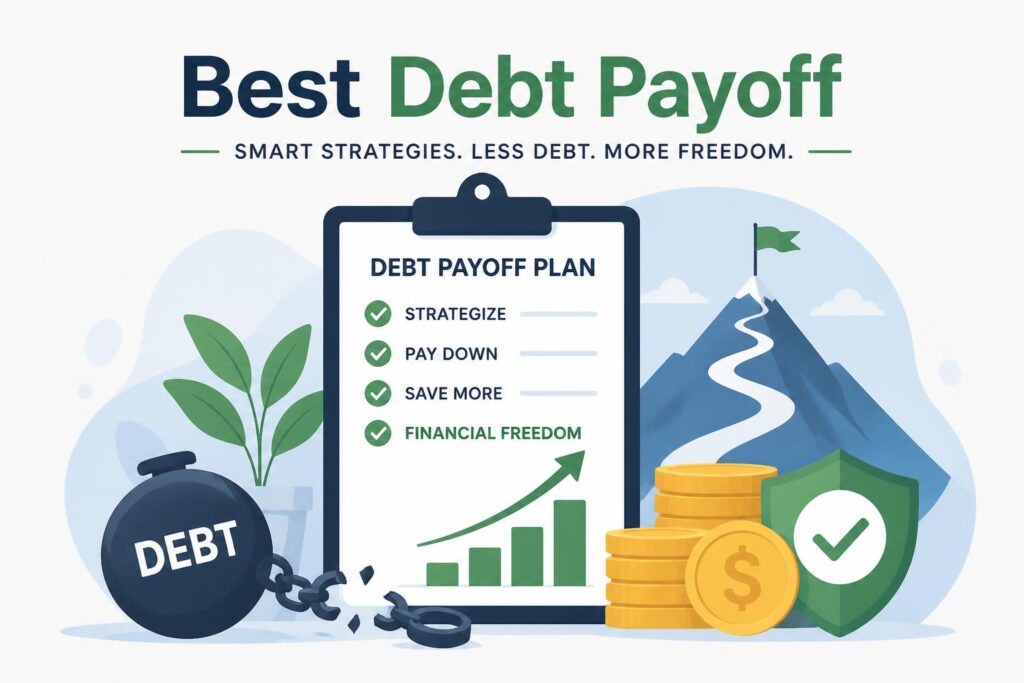
Debt payoff tools for small budgets (2026): options that actually help you get started
When money is tight, debt doesn’t feel like a “strategy problem” so much as a constant background stress. Most people already know they should pay it down faster. The harder part is figuring out how to do that without needing expensive advice or complicated systems.
The tools below are built for that situation. They don’t fix everything, but they can help you organise what you owe, see progress more clearly, and free up a bit of breathing room over time.
This guide looks at a mix of apps and budgeting tools that tend to work well for smaller budgets, especially where simplicity and cost matter.
—
At a glance: debt payoff tools (2026)
Tool Best suited for Starting cost Free option Undebt.it Debt payoff planning (snowball / avalanche) Free / ~$11.99 per year ✅ YNAB Structured budgeting and spending control $14.99/month ❌ Rocket Money Cutting subscriptions and small leaks Free / $4–$12/month ✅ Simplifi by Quicken General financial tracking ~$3.99/month ❌ Empower Dashboard Net worth and cash flow overview Free ✅ Goodbudget Envelope-style budgeting Free / ~$10/month ✅ Debt Payoff Planner Simple mobile debt tracking Free / $2.99–$4.99 ✅
How these tools were judged
The focus here is less about features on paper and more about whether the tools actually help someone stick to a plan.
Key things considered:
- Whether they support a clear repayment strategy (snowball, avalanche, or similar)
- Cost, especially free access or low monthly pricing
- How easy they are to start using
- Whether they automate anything useful or just display data
- How well they connect budgeting with debt repayment
- Whether they make progress feel visible enough to stay consistent
—
1. Undebt.it — focused debt payoff planning
Undebt.it is built almost entirely around one idea: give you a structured way to get out of debt.
You plug in what you owe, choose a method (snowball or avalanche), and it generates a payoff plan you can follow step by step. It doesn’t try to manage your full financial life, which is part of why it stays simple.
What it does well
- Snowball, avalanche, and hybrid payoff methods
- Lets you test different payment scenarios
- Shows a clear payoff timeline
- Tracks extra payments and progress
Cost
| Plan | Price |
|---|---|
| Free | Basic features |
| Pro | ~$11.99/year |
Downsides
- No bank syncing
- Interface feels a bit dated
- Not a budgeting tool
Best for: people who already want to focus on debt and just need a clear plan to follow.
👉 Try Undebt.it → link
—
2. YNAB — budgeting that changes spending habits
YNAB takes a different approach. Instead of focusing only on debt, it forces you to assign every dollar a job. Over time, that tends to reduce unnecessary spending, which then frees up more money for repayment.
It’s more of a system than a tool, and it does take some time to get used to.
What it does well
- Zero-based budgeting structure
- Debt tracking inside your budget
- Real-time syncing across devices
- Goal tracking and progress views
Cost
| Plan | Price |
|---|---|
| Monthly | $14.99 |
| Annual | ~$109 |
Downsides
- Learning curve is real
- Paid subscription only
- Needs consistent use to be useful
Best for: people who struggle with overspending and want a more structured way to manage money overall.
👉 Try YNAB → link
—
3. Rocket Money — finding money you didn’t realise you were losing
Rocket Money is less about planning and more about spotting leaks in your spending.
It looks for subscriptions and recurring charges, and in some cases can help cancel or negotiate them. For small budgets, even a few recovered expenses can make a difference.
What it does well
- Finds and tracks subscriptions
- Helps cancel unused services
- Basic budgeting tools
- Spending overview
Cost
| Plan | Price |
|---|---|
| Free | Basic tracking |
| Premium | $4–$12/month |
Downsides
- Full features require paid plan
- Not designed as a full debt strategy tool
- Savings depend heavily on your situation
Best for: people who suspect money is quietly leaking through subscriptions or forgotten services.
👉 Try Rocket Money → link
—
4. Simplifi by Quicken — simple financial overview
Simplifi is mainly about seeing your money in one place without too much complexity.
It tracks income, spending, and cash flow so you can spot patterns and decide where to cut back. It doesn’t push a specific debt method.
What it does well
- Clean overview of finances
- Spending tracking and categories
- Cash flow forecasting
- Debt tracking
Cost
| Plan | Price |
|---|---|
| Subscription | ~$3.99/month |
Downsides
- No built-in debt strategy
- Requires account linking
- More tracking than action
Best for: people who want visibility across all finances in one dashboard.
👉 Try Simplifi → link
—
5. Empower dashboard — free net worth tracking
Empower is mainly a tracking tool for your overall financial picture.
It shows net worth, spending trends, and investments in one place. Debt is part of the picture, but not the focus.
What it does well
- Net worth tracking
- Cash flow overview
- Investment visibility
- Free to use
Downsides
- Not designed for debt payoff planning
- Encourages investment focus more than debt focus
- Limited budgeting structure
Best for: people who want to understand their full financial situation, not just debt.
👉 Try Empower → link
—
6. Goodbudget — envelope budgeting approach
Goodbudget uses the envelope method, where you assign money to categories before spending it.
It’s more manual than most apps, but that can also help people stay aware of where money goes.
What it does well
- Envelope-based budgeting
- Simple structure
- Works well for shared households
- Encourages spending limits
Cost
| Plan | Price |
|---|---|
| Free | Limited envelopes |
| Plus | ~$10/month |
Downsides
- No automatic bank syncing on free plan
- Manual entry takes effort
- Limited automation
Best for: people who prefer a hands-on approach to budgeting.
👉 Try Goodbudget → link
—
7. Debt Payoff Planner — simple mobile tracking
This app is very straightforward. You enter your debts, choose a method, and it shows a timeline and progress chart.
There’s not much extra here, which is the point.
What it does well
- Snowball and avalanche calculators
- Progress tracking
- Mobile-friendly interface
- Quick setup
Cost
| Plan | Price |
|---|---|
| Free | Basic use |
| Premium | $2.99–$4.99 |
Downsides
- Limited features
- No full budgeting tools
- Mobile-only focus
Best for: people who just want something quick to track debt payoff progress.
👉 Try Debt Payoff Planner → link
—
Comparison overview
Feature Undebt.it YNAB Rocket Money Simplifi Empower Goodbudget Debt Planner Free option ✅ ❌ ✅ ❌ ✅ ✅ ✅ Debt strategy Strong Medium Low Low Low Basic Medium Budgeting No Strong Medium Medium Medium Medium No Automation No Medium High High High Low Low Cost range Free / low Paid Low Low Free Low Low
How to pick one
There isn’t really a single “right” tool. It depends on what’s currently getting in your way.
- If you want a clear repayment plan: Undebt.it
- If spending habits are the issue: YNAB
- If money is slipping through subscriptions: Rocket Money
- If you just want an overview: Simplifi or Empower
- If you prefer envelopes and structure: Goodbudget
- If you want something simple on your phone: Debt Payoff Planner
For many small budgets, a practical starting point is pairing a planning tool with a leakage-check tool.
—
FAQ
What’s the most useful debt payoff tool overall? YNAB and Undebt.it tend to work well together, one for structure and one for behaviour change.
What’s the cheapest option? Empower and Undebt.it both have strong free versions.
Can I do this without apps? Yes. You can replicate most of this with spreadsheets and discipline, though apps reduce friction.
Is YNAB worth paying for? It can be, especially if overspending is the main issue.
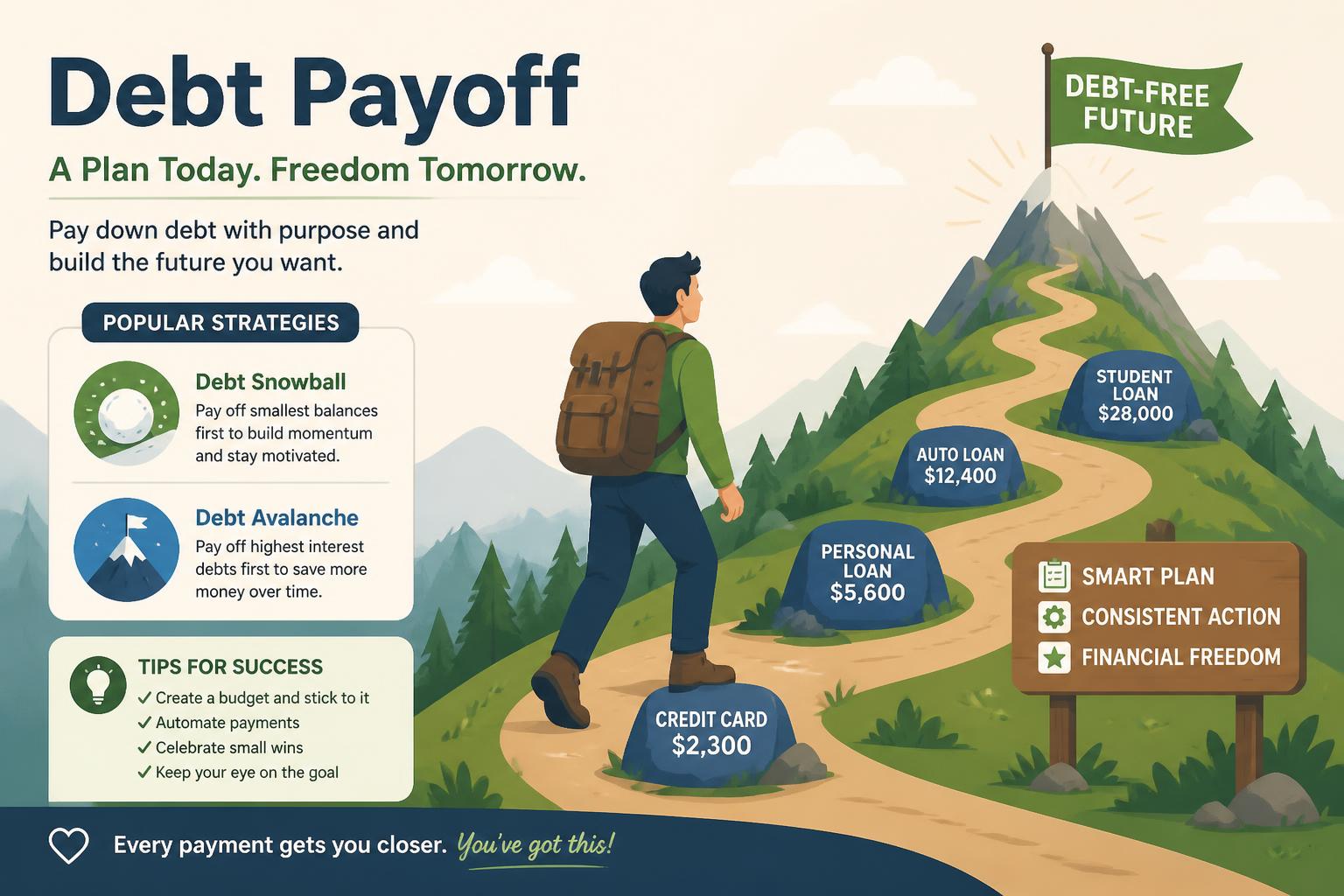
Which payoff method works fastest? Avalanche usually saves more on interest. Snowball tends to feel easier to stick with.
—
Final thoughts
If debt feels messy or overwhelming, start small. A tool like Undebt.it can give you a simple direction instead of trying to solve everything at once.
From there, it often becomes less about finding the “perfect app” and more about staying consistent long enough for the numbers to actually move.
Start with one tool, not all of them. That’s usually enough to begin.