Cheapest Budgeting Apps in 2026
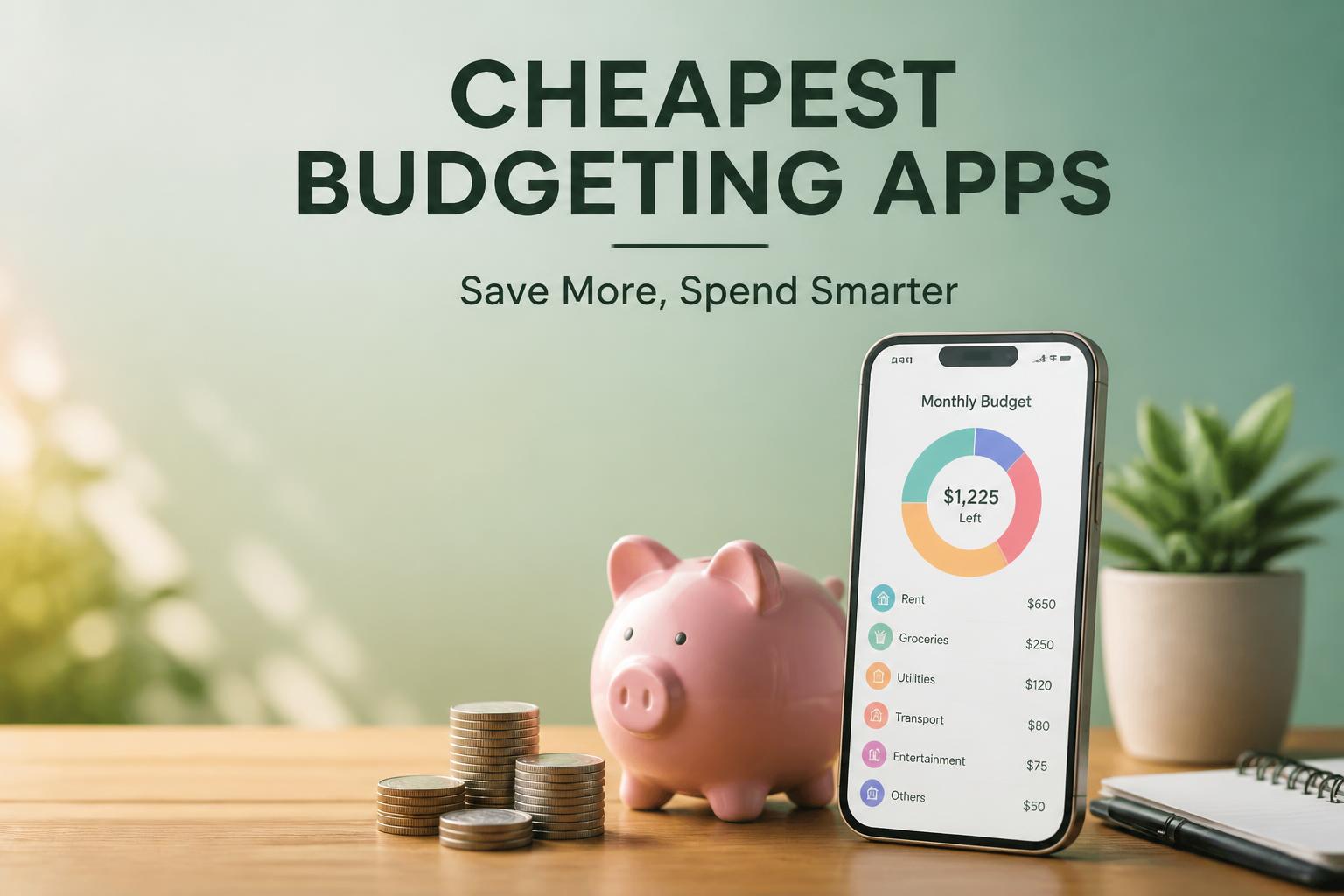
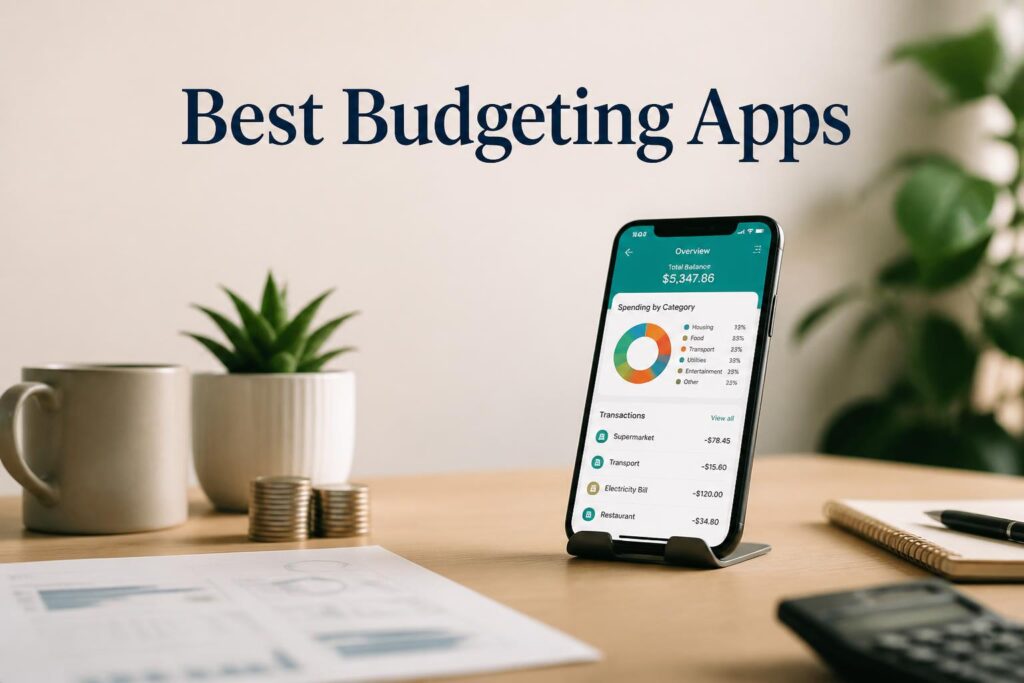
Budgeting apps have made money management easier, but picking one is still annoying. Most of them promise simplicity, then quietly push you toward paid plans once you’re already set up.
This guide looks at low-cost budgeting apps in 2026 with a focus on what you actually pay, how they feel to use, and whether the free version is usable or just a teaser.
You’ll see familiar tools like PocketGuard, Goodbudget, and YNAB, plus lighter options like Fudget and Actual Budget.
—
At a glance: low-cost budgeting apps
Tool Best for Starting price Free plan PocketGuard Simple spending overview Free / $12.99/mo Yes Goodbudget Envelope budgeting Free / $8/mo Yes EveryDollar Beginners Free / $17/mo Yes Rocket Money Subscriptions and bills Free / $6–$12/mo Yes Spendee Visual budgeting $2.99/mo Limited Fudget Minimal budgeting Free / $3.99 one-time Yes Actual Budget Privacy-focused users Free (self-hosted) Yes YNAB Structured budgeting system $14.99/mo No
How these were compared
The focus here is simple:
- what you pay vs what you get
- how easy it is to set up and stick with
- whether it syncs with your bank or needs manual entry
- how the budgeting system works in practice
- how much control you have over your data
—
1. PocketGuard — easiest way to see what you can spend
PocketGuard is built for quick answers. Its main idea is the “what’s safe to spend” number after bills and savings are accounted for.
What it does well:
- pulls in transactions automatically
- shows available spending money clearly
- tracks bills and recurring payments
- categorizes spending without much effort
Pricing:
Plan Price Free Basic use Plus ~$12.99/month
- quick setup
- easy to understand without tutorials
- useful for day-to-day spending control
What’s less great:
- free version feels limited after a while
- deeper controls sit behind paywall
- not ideal if you like detailed budgeting rules
Best fit: people who just want to know “can I spend this or not?”
—
2. Goodbudget — envelope system in app form
Goodbudget is based on the envelope idea: you assign money to categories and stick to it. Everything is intentional, but you do more manual work.
What it does well:
- envelope-style budgeting
- works across devices
- decent for couples sharing a budget
- simple structure that’s easy to follow
Pricing:
Plan Price Free Limited envelopes Plus ~$8/month
- helps slow down spending decisions
- good for planning ahead
- free version is usable
What’s less great:
- no automatic bank sync
- manual entry gets old fast
Best fit: people who prefer control over automation.
—
3. EveryDollar — simple zero-based setup
EveryDollar follows a basic idea: give every dollar a job before the month starts. It keeps things structured without being complicated.
What it does well:
- clear budgeting layout
- easy for beginners
- goal tracking included
- clean interface
Pricing:
Plan Price Free Manual use Premium ~$17/month
- very straightforward process
- good for first-time budgeters
What’s less great:
- bank sync costs extra
- premium pricing feels high
Best fit: beginners who want structure without complexity.
—
4. Rocket Money — best for cutting subscriptions
Rocket Money is less about full budgeting and more about spotting where money leaks out each month.
What it does well:
- finds subscriptions you forgot about
- tracks recurring bills
- offers cancellation help
- shows spending trends
Pricing:
Plan Price Free Basic tracking Premium ~$6–$12/month
- quickly highlights wasted spending
- useful for reducing monthly costs
What’s less great:
- pushes premium features often
- not a full budgeting system
Best fit: people trying to trim unnecessary expenses.
—
5. Spendee — budgeting with visuals
Spendee leans heavily on visuals. If you like seeing where your money goes in charts and colors, this one makes sense.
What it does well:
- clean, visual interface
- shared wallets for families
- supports multiple currencies
- bank syncing available
Pricing:
Plan Price Free Basic use Plus ~$2.99/month
- easy to understand at a glance
- affordable premium tier
What’s less great:
- free version is quite limited
- not very deep analytically
Best fit: people who prefer visual dashboards over spreadsheets.
—
6. Fudget — minimal and no-frills
Fudget strips everything down. No syncing, no accounts, just a simple list of money in and money out.
What it does well:
- extremely simple interface
- works offline
- fast to add entries
- one-time purchase option
Pricing:
Plan Price Free Basic Pro ~$3.99 one-time
- no subscription pressure
- very lightweight
What’s less great:
- no automation at all
- very basic tracking
Best fit: people who want something simple and manual.
—
7. Actual Budget — full control, but technical
Actual Budget is open-source and focused on privacy. It’s flexible, but you need to be comfortable setting things up yourself.
What it does well:
- full data ownership
- self-hosting option
- envelope budgeting support
- customizable setup
Pricing:
- free (self-hosted)
What stands out:
- no subscription model
- strong privacy focus
What’s less great:
- setup can be technical
- no polished mobile experience
Best fit: people who like control and don’t mind tinkering.
—
8. YNAB — structured but expensive
YNAB is more of a system than an app. It pushes you to assign every dollar a job and stick to it.
What it does well:
- strong budgeting structure
- real-time syncing
- goal tracking
- solid learning materials
Pricing:
Plan Price Subscription ~$14.99/month
- forces better money habits over time
- works well if you actually follow it
What’s less great:
- takes time to learn
- expensive compared to others
Best fit: people who want a strict system and are willing to stick with it.
—
Quick comparison
Feature PocketGuard Goodbudget EveryDollar Rocket Money Spendee Fudget Actual Budget YNAB Free plan Yes Yes Yes Yes Limited Yes Yes No Auto sync Yes No Partial Yes Yes No Partial Yes Envelope budgeting No Yes Yes No No No Yes Yes Subscription focus Yes No No Yes No No No No
How to pick one
- want something simple that works fast → PocketGuard
- prefer manual budgeting → Goodbudget or Fudget
- want to track subscriptions → Rocket Money
- like visual dashboards → Spendee
- care about privacy → Actual Budget
- want a strict long-term system → YNAB
Most people end up starting with something simple, then switching once they figure out what actually helps them stay consistent.
—
FAQ
What’s the cheapest option? Fudget and Actual Budget are basically free depending on setup.
Which one is easiest to start with? PocketGuard or EveryDollar.
Are free apps enough? For most people, yes. Paid plans usually add convenience rather than necessity.
Is YNAB worth it? Only if you actually follow its system. Otherwise it feels expensive.
Which app helps save the most money? Rocket Money for cutting subscriptions, YNAB for long-term behavior changes.
—
Final takeaway
If you just want something that works without much setup, PocketGuard is usually the easiest place to start.
If you want a stricter approach and don’t mind paying and learning a system, YNAB goes deeper—but it asks more from you too.