Betterment Review 2026: Is It Still Worth It?
Most people don’t struggle with investing because they lack options. It’s the opposite. There are too many apps, ETFs, opinions, and “simple strategies” that stop feeling simple once real money is involved.
That’s where robo-advisors came in.
Betterment is still one of the biggest names in that space in 2026. The question is whether it still feels worth using, or if it’s mostly running on reputation at this point.
Here’s how it holds up.
—
What is Betterment?
Betterment is a robo-advisor that builds and manages an ETF-based portfolio for you. You choose your goals and risk level, and the platform handles the rest.
That includes things like:
- Portfolio setup
- Rebalancing
- Automatic investing from deposits
- Basic tax optimization
It removes most of the decisions people usually get stuck on: what to buy, when to buy, and how to keep things balanced.
The tradeoff is obvious. You give up control in exchange for simplicity.
—
How it works in practice
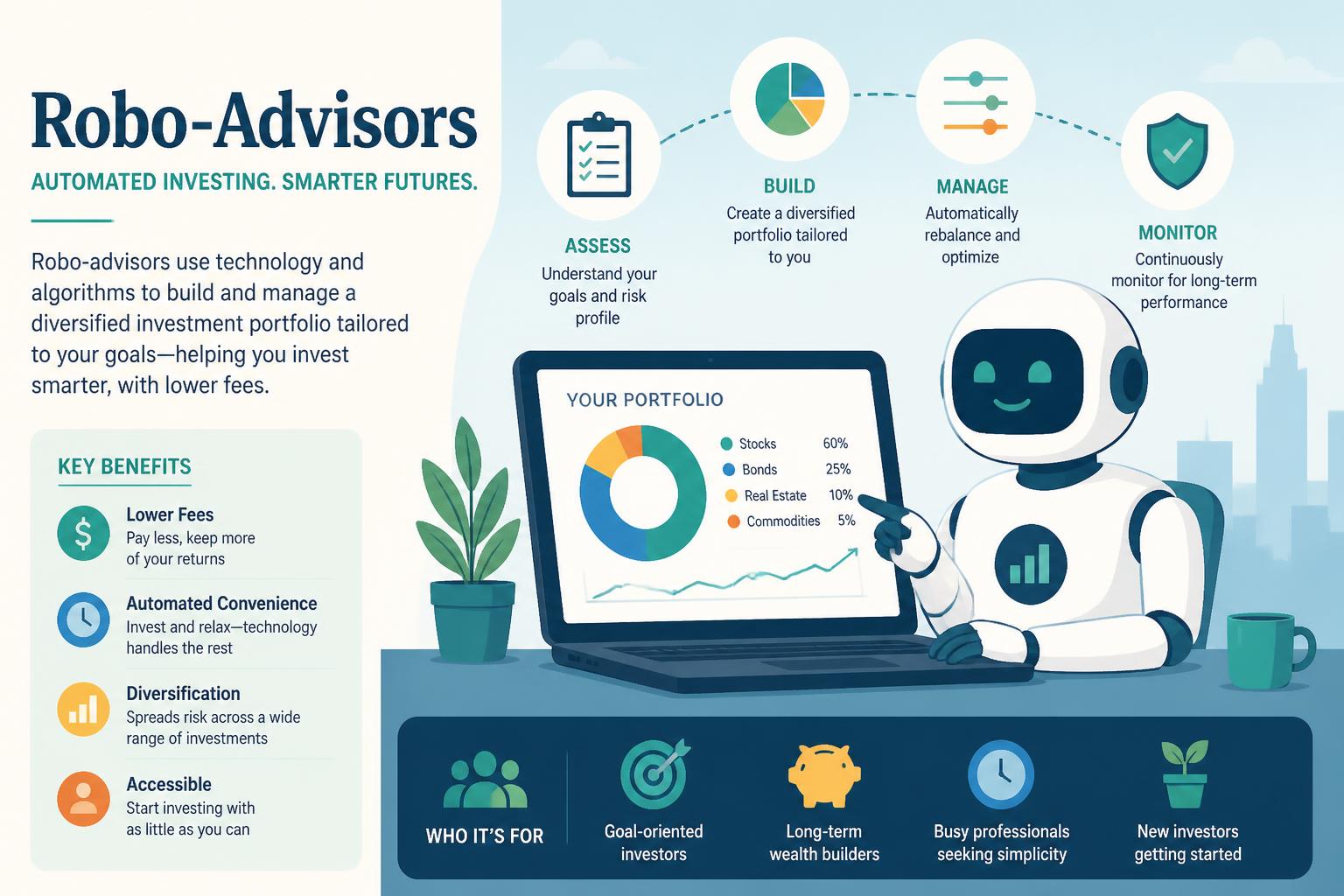
The process hasn’t changed much:
- You answer questions about risk and goals
- A portfolio is assigned using ETFs
- Deposits go in automatically
- The system rebalances over time
- Tax features run in the background if you enable them
There’s no stock picking or timing the market. It’s all allocation based on models.
That keeps things stable, but also means nothing feels very hands-on. It’s more like setting a direction than actively steering.
—
Features that actually matter
Automated investing
This is the main reason people use it. Once it’s set up, you don’t really think about it again.
That alone solves a problem for a lot of investors who otherwise keep interrupting their own plans.
Goal-based accounts
You can split money into different goals like retirement or a large purchase. In theory, this helps with organization. In reality, most people end up ignoring the separation after a while.
Rebalancing
When markets move, your portfolio drifts. Betterment adjusts it back to the target mix automatically.
It’s not exciting, but it does prevent slow drift over time.
Tax-loss harvesting (paid tier)
This tries to improve after-tax returns by selling positions at a loss and replacing them with similar exposure.
It works best with larger taxable accounts. For smaller balances, the effect is there but not dramatic.
—
Fees and what you actually pay
The headline fee is around 0.25% per year for management.
On top of that, the ETFs inside the portfolio carry their own small costs, usually between 0.05% and 0.15%.
Here’s what that looks like:
On $10,000:
- About $25 per year for management
- A few extra dollars in ETF costs
- Rough total: $30–$40 per year
On $100,000:
- Around $250 per year plus ETF fees
The cost itself isn’t high in absolute terms. The real question is whether the convenience is worth more than doing it yourself with a low-cost ETF portfolio.
—
What to expect from performance
Betterment doesn’t try to beat the market. It doesn’t make tactical moves or predictions.
It mostly mirrors diversified index investing.
So returns are basically:
Market performance minus a small fee.
For many people, that’s actually fine. Most investors who try to outperform the market end up underperforming it anyway through timing mistakes or overtrading.
But it’s important to be clear: this isn’t designed to generate extra returns. It’s designed to keep you invested in a disciplined way.
—
Tax-loss harvesting in plain terms
When part of your portfolio drops in value, the system can sell it to realize the loss and replace it with something similar.
That loss can offset gains elsewhere for tax purposes.
It helps most when:
- You have taxable accounts
- Your portfolio is large enough for losses to matter
- You’re in a higher tax bracket
For smaller accounts, it’s more of a minor benefit than a game changer.
—
Who it actually fits
Betterment tends to make sense for people who:
- Don’t want to manage investments themselves
- Prefer automation over control
- Invest consistently over long periods
- Would otherwise delay investing altogether
It’s often most helpful at the beginning, when people know they should invest but don’t want to deal with the decisions.
—
Where it feels limited
There are real tradeoffs.
Less control is the big one. You’re not building a portfolio piece by piece.
Cost is another. DIY investing with ETFs at a brokerage is cheaper.
It can also feel too simplified if you already know what you’re doing. There’s not much room for customization or experimentation.
And it’s not trying to outperform anything. If that’s your goal, this isn’t the tool for it.
—
Betterment vs doing it yourself
DIY ETF investing:
- Lower cost
- More flexibility
- More responsibility
Betterment:
- Higher cost
- Less control
- Much less effort
The difference mostly comes down to how much you want to think about investing after the setup.
—
Betterment vs other robo-advisors
Other platforms tend to compete on small differences like tax features, cash accounts, or fee structures.
Those differences matter at the edges, but for most people the experience ends up feeling pretty similar.
The bigger split is still between robo-advisors in general and DIY investing, not between individual robo platforms.
—
Final take
Betterment isn’t trying to win on price or complexity. It’s trying to remove decisions.
That still has value in 2026, especially for people who would otherwise procrastinate or constantly second-guess themselves.
If you want full control or the lowest possible cost, there are better options.
But if you want something that quietly keeps you invested without much attention, it still does that job well enough.
Sometimes that’s the part that matters most.