SoFi Invest Review 2026: Is It Worth It for Investors Today?
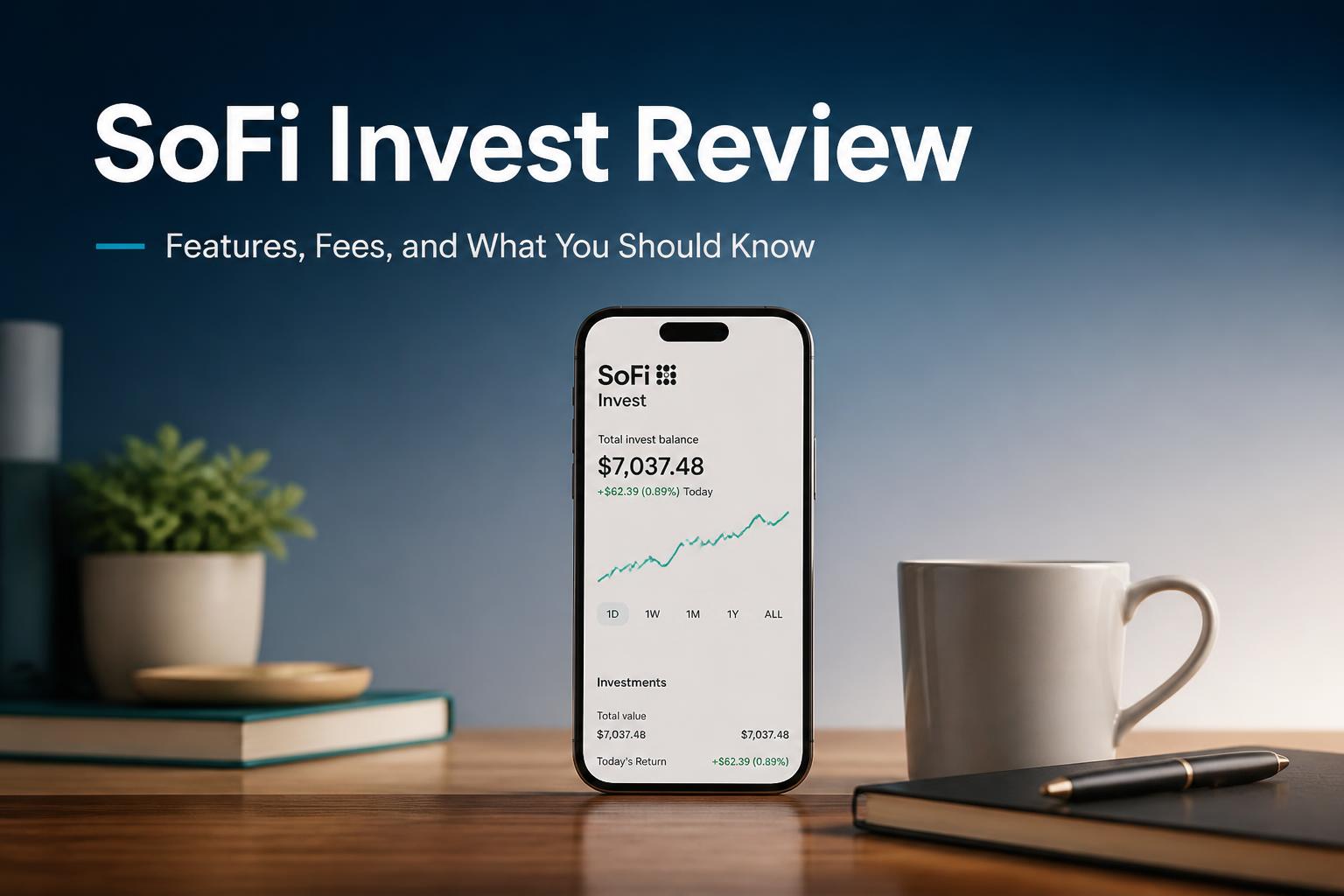
SoFi Invest started out as a simple investing app, but by 2026 it has turned into something closer to a full financial hub. It now sits in a crowded field where nearly every platform claims low fees, automation, and “easy investing,” so the differences come down to details more than slogans.
The question isn’t really whether SoFi Invest functions. It does. It’s whether its mix of simplicity and automation still holds up when other platforms offer more control, better analytics, or more flexible portfolio options at similar cost.
This review breaks down the parts that actually matter: costs, usability, features, and who will probably get along with it.
—
Quick Summary: Who SoFi Invest Is Best For
SoFi Invest tends to work best for:
- People who want investing kept simple
- Users already using SoFi for banking or credit products
- Long-term investors who prefer automated portfolios
- Mobile-first users who don’t care much about desktop tools
It’s probably not a great fit for:
- Traders who rely on deep charting or technical tools
- Investors who want to fine-tune every part of their portfolio
- Active traders running frequent or complex strategies
—
Table of Contents
- What is SoFi Invest?
- Account Types Explained
- Fees and Costs in 2026
- Key Features
- Robo-Advisor Performance
- Active Investing Experience
- Ease of Use
- Security and Trust
- Pros and Cons
- Who Should Use SoFi Invest?
- Final Verdict
- FAQ
—
What Is SoFi Invest?
SoFi Invest is a brokerage platform that offers both automated investing and self-directed trading. It’s part of SoFi’s larger financial ecosystem, which also includes banking, loans, and budgeting tools.
There are two main ways to use it:
- Automated portfolios built and maintained by SoFi
- Active investing where you choose stocks, ETFs, and fractional shares yourself
The whole product is built around reducing friction. You answer a few questions, fund the account, and you’re basically set up.
That approach works well for some people, but it also means you don’t get a lot of depth.
—
Account Types Explained
1. Automated Investing
This is the robo-advisor side. You answer questions about goals and risk, and SoFi builds a portfolio made of ETFs.
From there, it handles rebalancing and reinvestment automatically. You don’t really have to think about it day to day.
2. Active Investing
This is the self-directed account. You can:
- Buy and sell stocks
- Invest in ETFs
- Use fractional shares
- Set basic alerts and watchlists
It’s still simplified compared to traditional brokerages, but it gives you more control than the automated option.
—
Fees and Costs in 2026
Pricing is one of the cleaner parts of the platform.
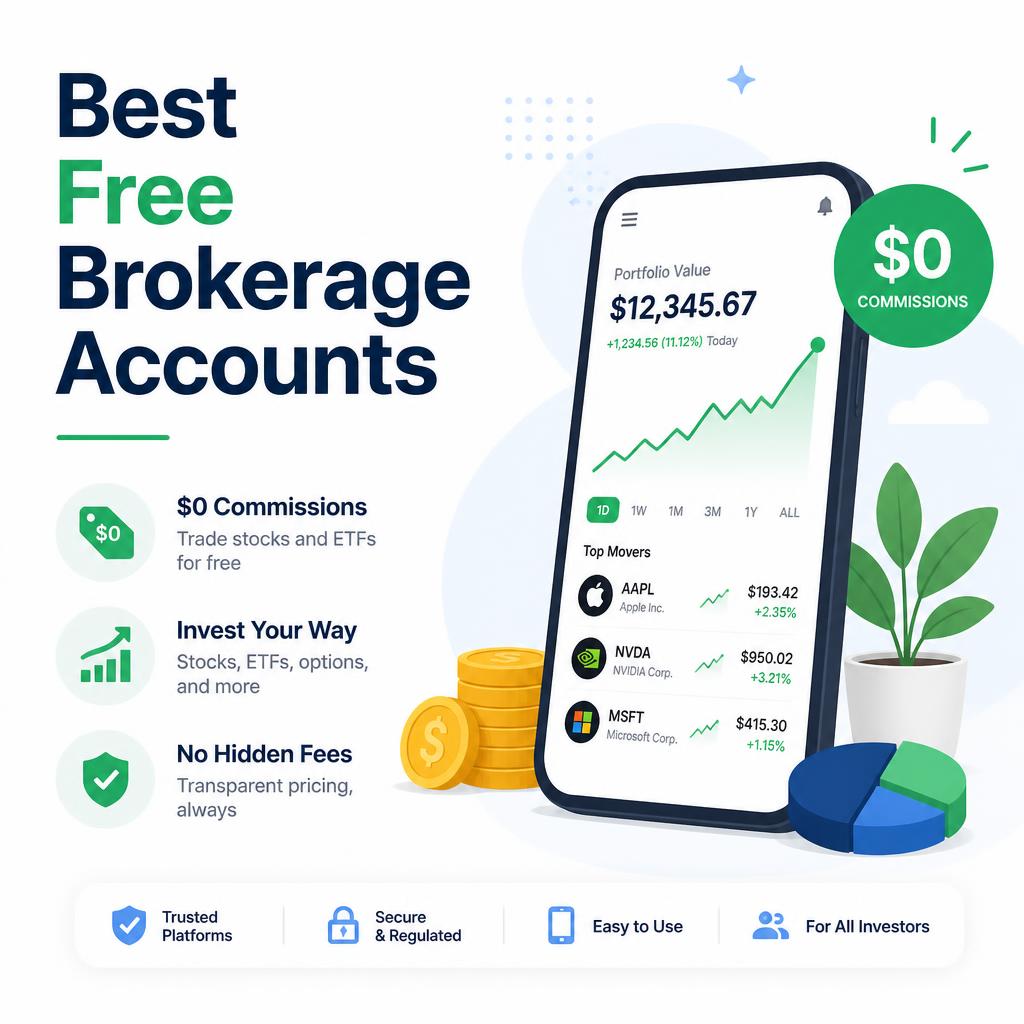
- Automated investing has no advisory fee
- Active investing has no commission on trades
- No minimum balance requirements
- No account maintenance fees
The only ongoing cost in most cases is the ETF expense ratios inside automated portfolios, which usually sit somewhere between 0.03% and 0.20%.
Compared to robo-advisors that charge a flat percentage fee each year, SoFi ends up being cheaper on paper for many users.
—
Key Features
SoFi keeps its feature set fairly light and focused.
You get:
- Fractional shares
- Automatic rebalancing in managed portfolios
- Dividend reinvestment
- Goal-based setup during onboarding
- Mobile portfolio tracking

Dashboard concept: simple allocation view, goal tracking, and auto-invest toggle
Nothing here is especially deep, but it’s all easy to find and use. The emphasis is clearly on keeping decisions simple.
—
Robo-Advisor Performance
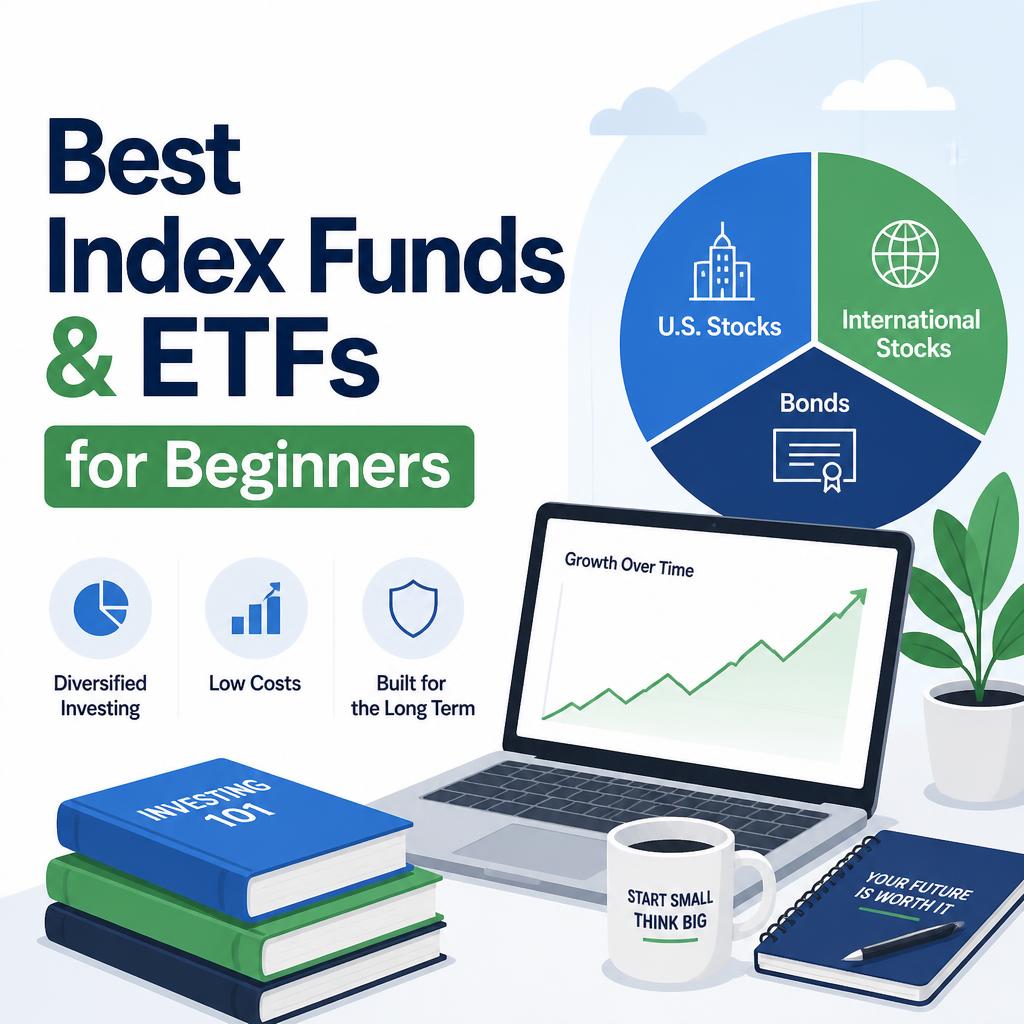
SoFi’s automated portfolios are built from ETF baskets covering:
- US stocks
- International stocks
- Bonds
- A small slice of alternative assets depending on allocation
Performance mostly follows broad market movements rather than trying to beat them.
In practice:
- Conservative setups stay steady but grow slowly
- Aggressive setups track global equity markets more closely
- There’s no attempt at timing or active strategy shifts
So the experience is predictable. You’re not really aiming for outperformance — you’re just staying aligned with the market.
—
Active Investing Experience
The active side is intentionally basic.
You can search for stocks, place trades quickly, and check simple charts. That’s about it.
What’s missing becomes obvious if you’ve used more advanced platforms:
- No deep technical indicators
- Limited order types
- Weak screening tools
For casual investing or occasional trades, it’s fine. For anything more involved, it feels restrictive pretty quickly.
—
Ease of Use
This is where SoFi Invest is strongest.
Setup is quick. The app walks you through the basics without assuming much prior knowledge:
- Choose goals
- Pick a risk level
- Fund the account
- Start investing
There isn’t much to figure out, and that’s the point. Some users will appreciate that. Others will eventually feel boxed in by it.
—
Security and Trust
SoFi Invest uses standard brokerage protections:
- SIPC coverage within regulatory limits
- Encrypted data handling
- Two-factor authentication
It operates as a regulated financial institution, so it follows standard compliance rules. Like any broker, though, it only protects against platform failure, not market losses.
—
Pros and Cons
Pros
- No trading commissions
- Easy for beginners to understand
- Clean mobile experience
- Fits well with other SoFi products
- Low barrier to entry
Cons
- Not built for advanced traders
- Limited analytics and research tools
- Robo portfolios don’t offer much customization
- Can feel too simple for experienced investors
—
Who Should Use SoFi Invest?
SoFi Invest makes the most sense if you:
- Prefer passive, long-term investing
- Want everything in one app
- Don’t want to deal with complex tools
- Are just starting out
It’s less suitable if you:
- Trade often or rely on technical analysis
- Want full control over portfolio construction
- Use advanced tax or strategy tools
- Need professional-grade trading features
It’s really a platform built around convenience more than control.
—
Final Verdict
SoFi Invest in 2026 stays firmly on the simple side of investing platforms.
It’s not trying to compete with advanced brokerages, and it doesn’t really pretend to. Instead, it focuses on making investing feel approachable and low effort.
If that’s what you want, it does the job without much friction. If you want deeper control or more serious trading tools, you’ll probably outgrow it.
It comes down to what you value more: ease or flexibility.
SoFi clearly leans toward ease.
—
FAQ
Is SoFi Invest good for beginners?
Yes. It’s designed with beginners in mind and avoids unnecessary complexity.
Does SoFi Invest charge fees?
No commissions or advisory fees, but ETF expense ratios still apply.
Can you lose money with SoFi Invest?
Yes. Market risk applies like with any investing platform.
How does it compare to robo-advisors like Betterment or Wealthfront?
SoFi is simpler and often cheaper, while others offer more customization and portfolio control.
Can you trade actively on SoFi Invest?
Yes, but the tools are fairly basic compared to dedicated trading platforms.