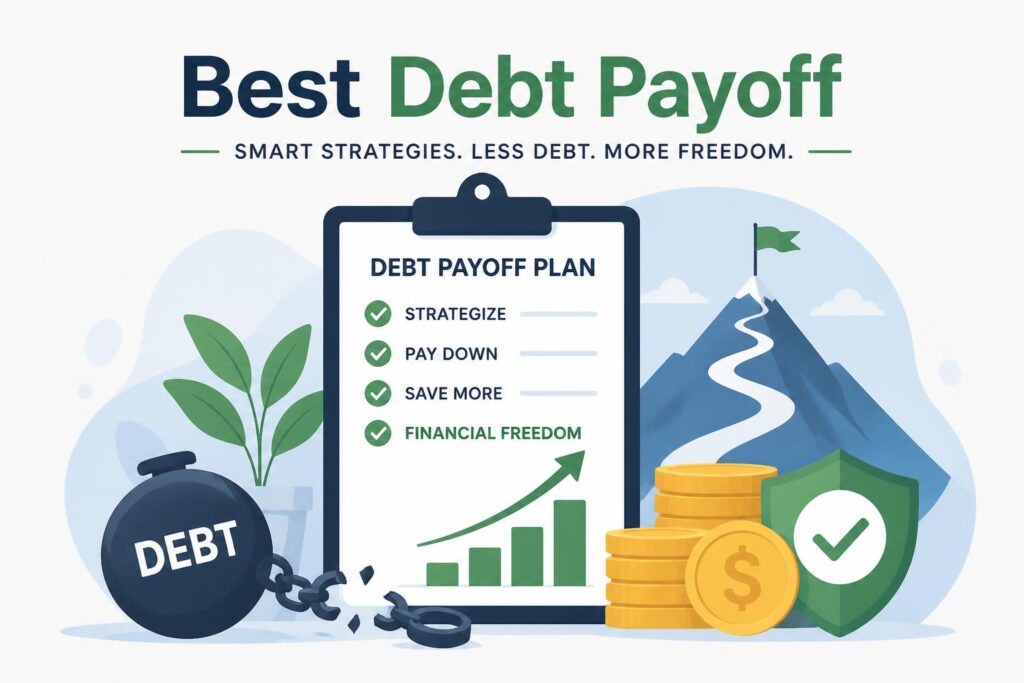
Debt Payoff Tools for Beginners in 2026 (Tools and Approaches Compared)

If you’re juggling multiple debts, it can get messy fast. High interest rates, scattered payments, and no clear plan often lead to overpaying or losing momentum halfway through.
A good system helps more than people expect. The right setup can reduce interest costs and make repayment feel less chaotic. This guide looks at commonly used debt payoff tools in 2026, especially ones suited for beginners.
We compared apps and systems based on ease of use, payoff planning features, automation, pricing, and how well they support people just getting started.
Here are the tools worth looking at.
—
At a Glance: Debt Payoff Tools
Tool Best For Starting Price Free Plan YNAB Budget discipline and structure $14.99/mo ❌ Undebt.it Snowball and avalanche planning Free / $12/yr ✅ Rocket Money Cutting subscriptions and bills $6–$12/mo ✅ Empower Overall financial tracking Free ✅ Tally Credit card repayment automation Varies ❌ EveryDollar Simple budgeting $0–$17.99/mo ✅ Debt Payoff Planner Quick payoff calculations Free / $2.99 upgrade ✅
How These Tools Were Compared
Each tool was reviewed based on:
- How easy it is to set up and use
- Whether it supports snowball or avalanche payoff methods
- Level of automation
- Cost and value of free vs paid versions
- Whether it helps build better spending habits
- Clarity of payoff timelines and projections
—
1. YNAB — Budgeting System for Strong Spending Control
YNAB is a budgeting app built around assigning every dollar a job. It’s less about automation and more about changing how you manage money day to day.
For people trying to get serious about debt repayment, this structure can help prevent extra spending from creeping in.
Key Features
- Zero-based budgeting
- Real-time expense tracking
- Debt goal tracking
- Sync across devices
- Built-in budgeting lessons
Pricing
| Plan | Cost |
|---|---|
| Monthly | $14.99 |
| Annual | $99/year |
| Trial | 34 days |
Pros
- Helps change spending habits
- Clear view of where money goes
- Good for preventing new debt
Cons
- Takes time to learn
- No long-term free plan
- Requires manual input
Best for: People who want structure and closer control over spending.
—
2. Undebt.it — Debt Snowball and Avalanche Planner
Undebt.it focuses only on debt payoff planning. It doesn’t try to be a full finance app, which keeps things simple.

You plug in your debts and choose a strategy like snowball or avalanche, then it builds a repayment plan.
Key Features
- Snowball and avalanche calculators
- Payoff timeline view
- Extra payment planning
- Printable schedules
- Scenario comparisons
Pricing
| Plan | Cost |
|---|---|
| Free | $0 |
| Premium | ~$12/year |
Pros
- Easy to understand
- Clear payoff roadmap
- Free version is enough for many users
Cons
- No budgeting tools
- Interface feels basic
Best for: People who already know their debts and want a plan.
—
3. Rocket Money — Finding Extra Cash in Your Budget
Rocket Money focuses on identifying recurring expenses and reducing bills. It can help free up money that can then go toward debt.
Key Features
- Subscription tracking and cancellation
- Bill negotiation
- Spending overview
- Net worth tracking
- Alerts for recurring charges
Pricing
| Plan | Cost |
|---|---|
| Free | Basic features |
| Premium | $6–$12/month |
Pros
- Helps reduce unnecessary spending
- Simple setup
- Useful automation features
Cons
- Some features require payment
- Not focused only on debt payoff
Best for: People trying to free up extra monthly cash.
—
4. Empower — Overall Financial Overview Tool
Empower gives a broad view of your finances, including accounts, spending, and investments. It’s not designed specifically for debt payoff, but it helps you see the bigger picture.
Key Features
- Net worth tracking
- Cash flow overview
- Spending breakdowns
- Investment tracking
- Planning tools
Pricing
| Plan | Cost |
|---|---|
| Free | $0 |
Pros
- Free to use
- Good financial overview
- Helpful dashboards
Cons
- Not focused on debt strategy
- Limited payoff planning
Best for: People who want to understand their full financial situation first.
—
5. Tally — Credit Card Debt Automation
Tally helps manage credit card debt by automating payments and prioritizing higher interest balances.
Key Features
- Automated payments
- Interest management
- Credit line handling
- Payment scheduling
Pricing
| Plan | Cost |
|---|---|
| Service fee | Varies |
Pros
- Reduces manual payment work
- Helps avoid missed payments
- Can lower interest costs
Cons
- Requires approval
- Not available everywhere
- Less flexible than manual systems
Best for: People with multiple credit cards who want automation.
—
6. EveryDollar — Simple Budgeting Option
EveryDollar is a straightforward budgeting app built around zero-based budgeting.
Key Features
- Monthly budgeting setup
- Expense tracking
- Simple interface
- Optional debt tools (paid)
Pricing
| Plan | Cost |
|---|---|
| Free | Basic version |
| Premium | $17.99/month |
Pros
- Easy to use
- Clean layout
- Beginner-friendly
Cons
- Limited free version
- Less advanced than other tools
Best for: Beginners who want something simple and structured.
—
7. Debt Payoff Planner — Quick Scenario Calculator
This app focuses on showing how different repayment strategies affect timelines and interest.
Key Features
- Snowball vs avalanche comparison
- Extra payment simulation
- Payoff timeline estimates
- Interest savings tracking
Pricing
| Plan | Cost |
|---|---|
| Free | Basic |
| Pro | $2.99 one-time |
Pros
- Very easy to use
- Fast comparisons
- Low cost
Cons
- No budgeting features
- Limited integrations
Best for: People who just want to see repayment scenarios.
—
Comparison Overview
Feature YNAB Undebt.it Rocket Money Empower Tally EveryDollar Debt Planner Free plan ❌ ✅ ✅ ✅ ❌ ✅ ✅ Debt focus ⭐ ⭐⭐⭐ ⭐⭐ ⭐ ⭐⭐⭐ ⭐ ⭐⭐⭐ Automation Low Medium High Medium High Low Low Budgeting tools ⭐⭐⭐ ❌ ⭐⭐ ⭐⭐ ❌ ⭐⭐⭐ ❌ Ease of use Medium High High High Medium High High
Choosing a Tool That Fits
Different tools fit different situations:
- Full control and habit change → YNAB
- Clear repayment plan → Undebt.it
- Extra monthly cash → Rocket Money
- Financial overview first → Empower
- Credit card automation → Tally
- Simple budgeting → EveryDollar
- Quick calculations only → Debt Payoff Planner
Many people end up using a combination, usually one budgeting app plus one debt planning tool.
—
FAQ
What debt payoff method is commonly used first?
The snowball method is often chosen first because it gives quick small wins.What helps pay off debt faster?
Higher income, lower expenses, and focusing on high-interest debt.Do these apps actually help?
They help most when they’re used consistently. The tool alone isn’t enough.Can debt be paid off without budgeting tools?
Yes, but it usually takes more trial and error.Is YNAB necessary?
Not required, but some people find it useful for changing spending habits.—
Final Note
A simple setup tends to work best for beginners: one budgeting tool and one debt payoff planner. That combination is often enough to keep things organized and visible.