Leonardo review 2026: is Leonardo AI worth paying for?
If you’ve been comparing AI image generators, you’ve probably hit the same wall: everyone claims to be the best. Midjourney makes beautiful art. ChatGPT generates images mid-conversation. Flux models are everywhere. Then there’s Leonardo AI, which promises professional image generation and editing without the learning curve.
The question is whether Leonardo is actually worth the money in 2026, or just another AI tool with good marketing.
This review focuses on what matters if you’re considering paying: image quality, pricing, workflow, and whether it delivers enough to justify the subscription.

Table of contents
- What is Leonardo AI?
- Leonardo AI at a glance
- Key features that matter
- Image quality test results
- How Leonardo compares to other AI image generators
- Pricing and value for money
- Who should use Leonardo AI?
- Pros and cons
- Is Leonardo AI worth it in 2026?
- Frequently asked questions
What is Leonardo AI?
Leonardo AI is a cloud based AI image generation platform built for creators, marketers, bloggers, designers, game developers, and small businesses.
It’s not just text to image generation. Leonardo leans into:
- Image generation
- Image editing
- Consistent character creation
- Product photography
- Marketing visuals
- AI upscaling
- Background removal
- Style consistency
The platform started with game asset creators but grew into a broader visual content tool.
Today, bloggers, Pinterest marketers, affiliate marketers, ecommerce sellers, and small businesses use it for:
- Blog featured images
- Pinterest pins
- Product mockups
- Social media graphics
- Ad creatives
- Brand illustrations
- Website visuals
If you run multiple websites, Leonardo could replace stock photo subscriptions and cut design costs.
Leonardo AI at a glance
Category Rating Ease of use 9/10 Image quality 8.5/10 Speed 9/10 Editing features 9/10 Pricing 8/10 Commercial use 9/10 Value for bloggers 9/10 Overall score 8.8/10
It’s workflow.
Plenty of tools generate good images, but Leonardo combines generation, editing, upscaling, and refinement in one dashboard.
When you’re publishing dozens of articles or assets every month, that matters more than chasing marginal quality gains.
Key features that matter
1. AI image generation
Leonardo generates images from text prompts using multiple models optimized for different purposes:
- Photorealistic images
- Illustrations
- Anime styles
- Concept art
- Product photography
- Marketing creatives
For most people, the default models work well without much prompt tweaking.
That’s why beginners often prefer Leonardo over more technical alternatives.
2. AI Canvas
AI Canvas is one of Leonardo’s strongest tools.
Instead of regenerating entire images, you can:
- Expand images
- Replace objects
- Modify backgrounds
- Add elements
- Fix mistakes
This cuts down the number of generations you need. A small edit takes seconds instead of creating ten new images.
3. Background removal
For ecommerce and affiliate marketing, background removal is more useful than it sounds.
You can:
- Remove cluttered backgrounds
- Create transparent PNGs
- Build cleaner product graphics
- Generate marketing materials faster
This alone replaces a separate tool for a lot of people.
4. Upscaling
Generated images aren’t always big enough for commercial use.
Leonardo’s upscaling helps increase resolution without losing too much quality.
That matters for:
- Blog featured images
- Pinterest graphics
- Advertising creatives
- Print materials
5. Real time generation
Leonardo includes real time image generation.
You adjust prompts and see results update immediately.
Compared to the usual generate-wait-repeat loop, this feels noticeably faster.
Image quality test results
The main question in any Leonardo review is simple: how good are the images?
It depends on what you’re making.
Photorealistic images
Leonardo does well with:
- Lifestyle photography
- Product images
- Business scenes
- Travel content
- Home decor visuals
Skin textures, lighting, and composition generally look realistic.
Midjourney might still have a slight edge for artistic realism, but Leonardo is close.
Marketing graphics
This is where Leonardo works best.
A lot of AI generators focus on artistic outputs.
Leonardo feels more tuned for practical business use.
Examples:
- Pinterest images
- Blog graphics
- Social media visuals
- Ecommerce product showcases
The outputs usually need less cleanup.
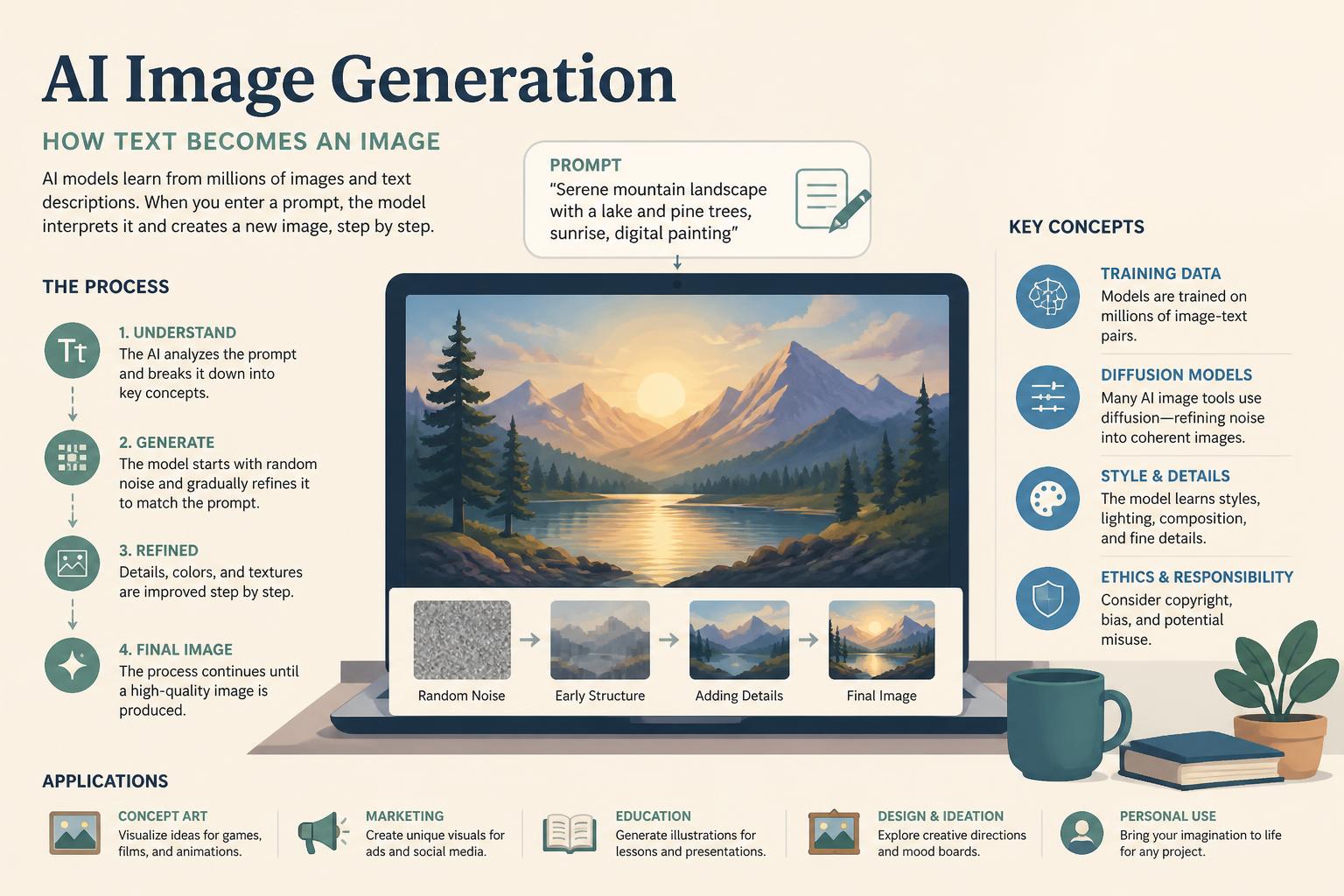
Character consistency
Character consistency is still one of the hardest problems in AI images.
Leonardo handles it better than most.
If you’re creating:
- Brand mascots
- Story illustrations
- Recurring marketing characters
- Educational content
The consistency tools save time.
Text rendering
Like most AI image generators, text rendering is getting better but still imperfect.
For professional designs with important text, you’ll probably add typography later with:
- Canva
- Photoshop
- Figma
That’s true for nearly all major AI image platforms right now.
How Leonardo compares to other AI image generators
Leonardo vs Midjourney
Midjourney strengths:
- Better artistic quality
- Stronger visual aesthetics
- More impressive creative outputs
Leonardo strengths:
- Easier workflow
- Better editing tools
- More practical for business
- Integrated toolkit
If you want stunning artwork, Midjourney often wins.
If you want to publish content efficiently, Leonardo usually offers a better workflow.
Leonardo vs ChatGPT image generation
ChatGPT strengths:
- Integrated conversation workflow
- Good prompt assistance
- Fast ideation
Leonardo strengths:
- More image specific controls
- Better editing capabilities
- Better asset management
- More customization
A lot of marketers use both.
ChatGPT for concepts and prompts. Leonardo for production.
Leonardo vs Flux based platforms
Flux models have gotten popular because of their image quality.
Compared to Flux focused tools:
- Leonardo has a more polished user experience
- Flux often delivers slightly better realism
- Leonardo has better integrated editing
For non technical users, Leonardo is easier to learn.
Leonardo vs Canva AI
Canva focuses on design.
Leonardo focuses on image generation.
If you’re mainly creating:
- Presentations
- Social graphics
- Marketing layouts
Canva might be enough.
If you need original AI generated visuals at scale, Leonardo is usually stronger.
For a broader comparison of leading image generators, check out:
Best AI Image
Pricing and value for money
Pricing changes often, but Leonardo typically offers:
- Free plan
- Entry level paid plan
- Professional plan
- Higher tier creator plans
The free plan is useful for testing, but serious users hit generation limits quickly.
Is the free plan enough?
For occasional experiments: yes.
For content creators producing assets weekly: probably not.
You’ll exhaust credits faster than expected.
Paid plan value
The paid plans start making sense when compared to traditional alternatives.
Consider the monthly cost of:
- Stock photo subscriptions
- Graphic design services
- Freelance image editing
- Premium visual assets
Leonardo can replace several of these at once.
For bloggers and affiliate marketers, the ROI can work even with modest traffic growth.
Cost per asset
One way to evaluate AI image tools is cost per finished asset.
If a monthly subscription helps you create:
- 50 blog images
- 100 Pinterest graphics
- Multiple social media posts
The cost per asset becomes extremely low.
That’s where Leonardo often beats hiring freelancers for routine visual content.
Who should use Leonardo AI?
Bloggers
Leonardo works well for bloggers who need:
- Featured images
- Article illustrations
- Comparison graphics
- Pinterest content
Instead of searching stock photo sites, you generate unique visuals for each article.
Affiliate marketers
Affiliate marketers benefit from:
- Product mockups
- Comparison graphics
- Social content
- Landing page visuals
Unique visuals can help differentiate content from competitors.
Ecommerce sellers
Leonardo works for:
- Product photography concepts
- Lifestyle product images
- Marketing creatives
- Promotional materials
It doesn’t fully replace professional product photography, but it can cut content production costs.
Agencies
Agencies managing multiple clients often get the most value.
The combination of generation, editing, and asset creation streamlines workflows.
Pros and cons
Pros
- Easy for beginners
- Good image quality
- Strong editing tools
- Fast generation
- Useful free plan
- Good commercial licensing
- Works well for marketing content
- Efficient workflow
Cons
- Premium plans can get expensive for heavy users
- Text rendering still isn’t perfect
- Some advanced controls require experimentation
- Artistic quality may not always match Midjourney
- Credit based systems can feel restrictive
Is Leonardo AI worth it in 2026?
For most business users, bloggers, marketers, and creators: yes.
Not because Leonardo always produces the best image, but because it offers one of the best combinations of quality, speed, editing, ease of use, and commercial practicality.
A lot of competitors excel in one area. Leonardo performs well across all of them.
If your main goal is generating marketing assets, blog graphics, Pinterest visuals, and commercial content efficiently, Leonardo is one of the stronger AI image platforms available in 2026.
If your sole priority is artistic quality and you don’t need integrated editing tools, Midjourney might still deserve consideration.
For most people evaluating value over hype, Leonardo delivers enough quality and workflow efficiency to justify a paid subscription.
Frequently asked questions
Is Leonardo AI free?
Yes. Leonardo AI has a free plan that lets you test image generation features. Heavy users typically need a paid subscription because of generation limits.
Is Leonardo AI better than Midjourney?
Depends on your goal. Midjourney often produces more artistic images, while Leonardo provides a stronger overall workflow with editing and asset management.
Can I use Leonardo AI images commercially?
In most cases, yes. Always review the latest licensing terms before using generated images for commercial projects.
Is Leonardo AI good for bloggers?
Yes. Leonardo works well for creating featured images, article illustrations, Pinterest graphics, and marketing visuals.
What is the biggest advantage of Leonardo AI?
Workflow efficiency. Image generation, editing, upscaling, and refinement are in one platform, which reduces the need for multiple tools.