Best AI SEO: Your Complete Guide to Choosing the Right Tools in 2026
Finding the right AI SEO tool is harder than it should be. Dozens of platforms promise to skyrocket your rankings. Most are expensive gimmicks.
This guide cuts through the noise so you can decide without overpaying or wasting time.
What Is AI SEO and Why Does It Matter?
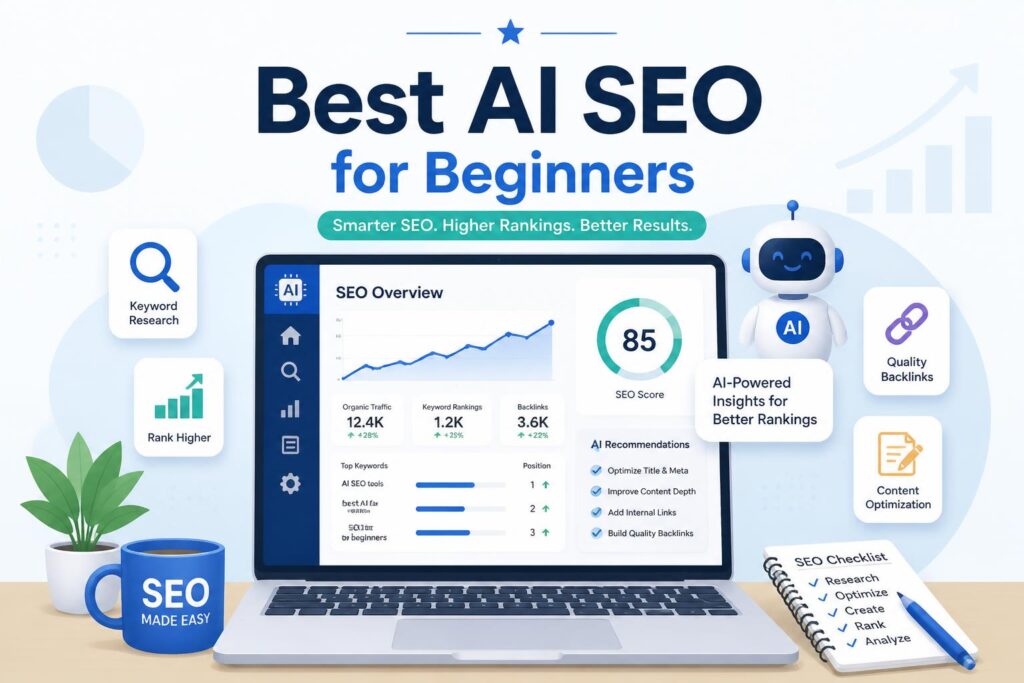
AI SEO uses artificial intelligence and machine learning to automate search engine optimization tasks. The tools analyze large amounts of data, spot patterns, and generate insights that would take humans weeks to compile manually.
Good AI SEO tools save time and uncover opportunities you’d miss. Keyword research, content optimization, competitive analysis, technical audits—AI changed how we approach search visibility.
The Hidden Cost of Choosing Wrong
Picking the wrong AI SEO tool costs more than subscription fees. You risk:
- Lost time learning platforms you’ll abandon
- Missed ranking opportunities while competitors move ahead
- Budget blown on features you don’t need
- Data silos when tools don’t integrate with your workflow
Many businesses spend $200-500 monthly on AI SEO tools before finding what works. That’s thousands in sunk costs.
What Makes an AI SEO Tool “Best”?
Not all AI SEO platforms are equal. The good ones share these traits:
Accuracy Over Volume
Some tools generate hundreds of keyword suggestions with questionable search volumes. The better platforms prioritize accurate data over impressive spreadsheets. They pull from reliable sources and validate metrics across multiple data points.
Actionable Insights
Raw data means nothing without context. Good AI SEO tools translate metrics into specific recommendations: “Target this keyword first because…” or “Fix this technical issue to gain X estimated traffic.”
Integration Capabilities
Your AI SEO tool should fit into your existing workflow, not force you to rebuild everything. Look for platforms that connect with your CMS, analytics, and other marketing tools.
Transparent Pricing
The better providers clearly state what you get at each tier. Hidden costs, mysterious “enterprise only” features, and sudden price jumps are red flags.
Categories of AI SEO Tools
Understanding which type of tool you need prevents overspending on all-in-one platforms when specialized solutions would work better.
Content Optimization Platforms
These AI tools analyze existing content and suggest improvements for better rankings. They look at keyword density, readability, semantic relevance, and content structure.
Best for: Content teams, bloggers, and publishers improving existing pages.
Keyword Research Tools
AI keyword tools go beyond basic search volume. They identify semantic relationships, question patterns, and content gaps in your niche.
Best for: SEO strategists planning content calendars and paid search managers.
Technical SEO Analyzers
These platforms crawl your website like search engines do, spotting technical issues that hurt rankings. AI helps prioritize fixes by estimated impact.
Best for: Developers, technical SEOs, and agency teams managing multiple sites.
Competitive Intelligence
AI competitive tools reveal what works for competitors—their top pages, ranking keywords, backlink sources, and content strategies.
Best for: Marketing strategists and businesses entering competitive niches.
All-in-One SEO Suites
Comprehensive platforms combining multiple capabilities. They cost more but eliminate multiple subscriptions.
Best for: Established businesses with dedicated SEO budgets and teams.
Top Features to Prioritize
When evaluating AI SEO tools, focus on these capabilities:
Natural Language Processing
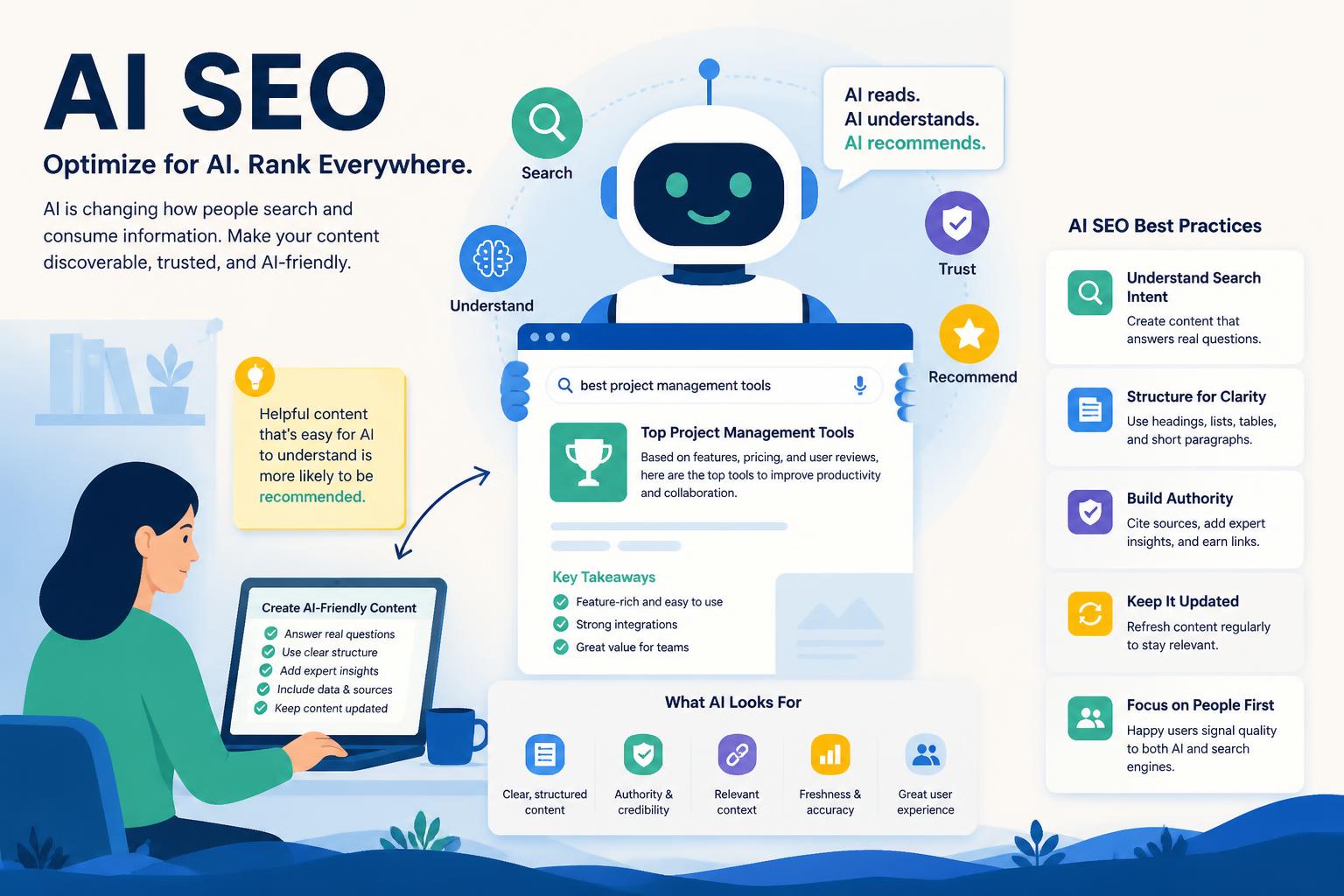
Advanced AI SEO platforms understand search intent beyond exact keyword matches. They analyze semantic relationships and help you create content that answers user queries.
Predictive Analytics
The better tools forecast potential traffic gains from targeting specific keywords or making recommended changes. This helps justify SEO investments to stakeholders.
Automated Reporting
AI-generated reports save hours of manual compilation. Look for customizable dashboards that track metrics relevant to your goals.
Content Brief Generation
Top AI SEO platforms create detailed content briefs based on analyzing top-ranking pages. These briefs guide writers on structure, length, topics to cover, and keywords to include.
Link Building Intelligence
AI tools identify link opportunities by analyzing competitor backlinks, finding unlinked brand mentions, and discovering relevant sites in your niche.
How to Choose Without Overpaying
Follow this framework to find your AI SEO solution without exceeding budget:
Step 1: Define Your Primary Use Case
List your top three SEO challenges. Content creation, technical fixes, link building, or competitive research? Match tools to your specific needs rather than buying comprehensive platforms you’ll only partially use.
Step 2: Start With Free Trials
Most quality AI SEO tools offer 7-14 day free trials. Test 2-3 platforms simultaneously using the same sample projects. This direct comparison reveals which interface you prefer and which insights are most valuable.
Step 3: Calculate True Cost Per Value
Don’t just compare monthly subscription prices. Estimate time saved and potential traffic gains. A $200/month tool that saves 20 hours of work and uncovers opportunities worth 1,000 monthly visitors delivers more value than a $50 tool with limited capabilities.
Step 4: Check Integration Requirements
Will this tool work with your existing stack? Some platforms require specific CMS plugins or analytics setups. Factor in any additional costs or development time needed for integration.
Step 5: Consider Scalability
Your needs will evolve. Does the platform offer reasonable upgrade paths, or will you hit arbitrary limits that force expensive tier jumps? Review each plan’s keyword limits, page crawl limits, and user seats.
Common Pitfalls to Avoid
Chasing the Latest AI Hype
New AI SEO tools launch constantly, each claiming revolutionary capabilities. Established platforms with proven track records typically outperform flashy newcomers. Let early adopters work out the bugs.
Ignoring Learning Curves
Even intuitive AI tools require onboarding time. If you’re constantly switching platforms, you spend more time learning interfaces than executing strategy. Commit to one tool for at least 90 days before judging its effectiveness.
Over-Relying on Automation
AI is good at data analysis and pattern recognition but can’t replace strategic thinking. The better AI SEO results come from humans using AI insights to make informed decisions—not blindly implementing every AI suggestion.
Neglecting Data Privacy
Some AI SEO tools store and analyze your proprietary data. Review privacy policies carefully, especially if you handle sensitive client information or work in regulated industries.
Specific Scenarios and Tool Recommendations
For Complete Beginners
If you’re new to SEO entirely, you need tools with strong educational components and intuitive interfaces. Platforms that explain why they’re making recommendations help you learn SEO principles while optimizing your site.
Check out our detailed guide on best AI SEO for beginners for specific recommendations and tutorials.
For Budget-Conscious Users
You don’t need premium tools to get started with AI SEO. Several platforms offer generous free tiers or affordable entry-level plans with useful features.
Our comparison of best free AI SEO tools covers options that deliver real value without monthly costs.
For Growing Businesses
Once you’re generating consistent traffic and revenue, investing in more sophisticated AI SEO tools becomes viable. These platforms offer advanced features like predictive analytics, custom reporting, and API access.
For Enterprise Teams
Large organizations need AI SEO platforms that support multiple users, handle vast amounts of data, offer white-label reporting, and integrate with enterprise marketing stacks.
The Future of AI SEO
AI SEO tools continue evolving rapidly. Here’s what’s emerging:
Generative AI Integration
Modern platforms increasingly incorporate GPT-style language models for content generation, not just analysis. This allows AI to draft optimized content, create meta descriptions, and suggest headline variations.
Voice Search Optimization
As voice queries grow, AI tools are adapting to help optimize for conversational search patterns and featured snippet opportunities.
Visual Search Capabilities
AI-powered image and video optimization tools are becoming standard features as visual search gains importance.
Predictive Algorithm Updates
Advanced AI platforms are beginning to predict how algorithm changes might affect rankings, allowing proactive adjustments rather than reactive scrambling.
Making Your Decision
The right AI SEO tool for you depends on your specific situation:
- Your primary goals (traffic growth, conversion optimization, brand visibility)
- Your current SEO maturity level (beginner, intermediate, advanced)
- Your budget constraints (limited, moderate, flexible)
- Your team size and structure (solo, small team, enterprise)
- Your technical capabilities (minimal, moderate, advanced)
For a forward-looking perspective on what tools are gaining traction, explore our analysis of best AI SEO 2026 trends and predictions.
Getting Started Today
Here’s your action plan:
- Audit your current SEO process – Document what takes the most time and where you’re seeing limited results.
- Shortlist 3 tools – Based on your primary use case, identify three AI SEO platforms that specialize in your area of need.
- Run parallel tests – Use free trials simultaneously to compare real results on the same projects.
- Measure against baseline – Track specific metrics (time spent, insights gained, recommendations implemented) to quantify value.
- Commit and optimize – Choose one platform and dedicate 90 days to mastering its capabilities before reevaluating.
Final Thoughts
The right AI SEO solution isn’t necessarily the most expensive or the most feature-rich. It’s the one that aligns with your specific needs, integrates smoothly into your workflow, and delivers measurable results without breaking your budget.
AI democratized access to sophisticated SEO capabilities that were once available only to enterprises with massive budgets. Whether you’re running a one-person blog or managing SEO for a large organization, there’s an AI tool that fits your requirements.
Approach your decision methodically—understand what you need, test before committing, and measure results objectively. Avoid the temptation to chase every new AI feature or switch platforms constantly. Mastery of one good tool beats surface-level familiarity with five.
Start by clearly defining your SEO challenges, then find the AI solution built to address them. Your future self—and your budget—will thank you for taking the time to choose wisely.