Best Free AI Video Tools to Create Professional Content in 2026

Picking an AI video tool shouldn’t drain your budget or cost you hours comparing features that don’t matter. If you’re building a YouTube channel, handling your own marketing, or juggling client projects, one thing’s clear: you need help sorting through the noise.
The problem is real. Every week another “revolutionary” tool promises Hollywood results. Some charge premium prices for basics. Others offer free tiers so limited they’re useless. Many look good in demos, fall apart with real content. And the learning curve? Some need a degree in prompt engineering for a 30-second clip.
This guide cuts through that. We tested dozens of generators, compared actual capabilities (not marketing), and found tools that deliver value without costing more than your streaming services.
What Makes a Good AI Video Tool?
Resolution specs look fine on paper, but real quality means natural motion, coherent transitions, and subjects that don’t morph into abstract art mid-clip. The good tools maintain consistency across frames, handle complex prompts without breaking, and produce results that don’t scream “badly AI-generated.”
A tool that takes 45 minutes for 10 seconds might be “free,” but it’s not useful. The good ones balance quality with reasonable processing and don’t randomly fail every third generation.
“Free” means different things. Some offer genuine no-cost access with reasonable limits. Others give you three generations before demanding payment, or watermark videos so heavily they’re unusable. We focus on tools where free means you can produce real content without hitting a paywall.
You shouldn’t need a tutorial series for your first video. The good tools balance power with approachable design—simple modes for quick results, advanced options when you need control.
Different projects need different approaches. Sometimes you need a script turned into video. Other times you want to enhance footage, create social clips, or generate specific scenes. The useful tools handle multiple cases instead of one narrow task.
Top Free AI Video Tools Compared
1. Runway Gen-3 Alpha — Best for Creative Control
Runway has earned its reputation. Gen-3 Alpha is a real leap, producing videos that hold up.
Runway handles complex prompts and maintains visual coherence across longer clips. Where other tools struggle past simple descriptions, Runway takes detailed instructions about camera movement, lighting, mood, narrative. The motion stands out—subjects move naturally without uncanny distortions.
New users get 125 credits, roughly 50 seconds of Gen-3 Alpha footage. Not generous, but enough to test the platform and make short social clips. The credit system feels more honest than “unlimited” generations of unusable quality.
Good for high-stakes content where quality beats quantity. Social creators who need a few standout clips rather than bulk. Projects requiring specific visual styles or complex scenes.
The free tier won’t sustain regular creation. You’ll need to budget credits or upgrade. Processing stretches during peak hours.
2. Pika Labs — Most Accessible for Beginners
Pika built its following by making AI video genuinely approachable. It doesn’t match Runway’s ceiling, but the barrier is much lower.
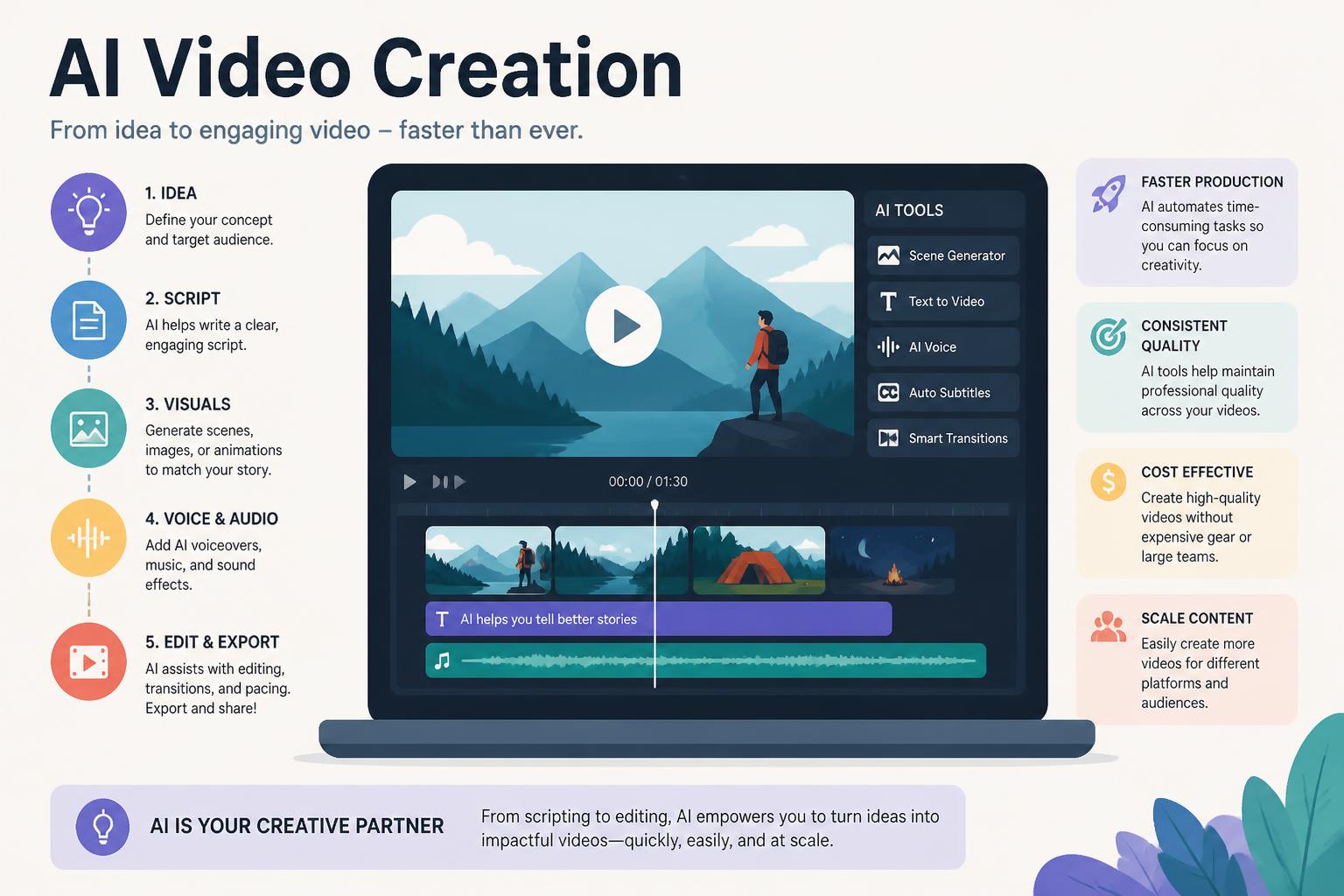
The Discord interface might seem odd, but it reduces friction. Type a prompt, wait, get your video. No complex dashboards, no decision paralysis. Pika also handles the “AI look” better than most—results feel organic, less obviously synthetic.
Pika offers a usable free tier through Discord. You’re limited in daily generations and stuck with standard settings, but you can consistently produce content without paywalls. Videos come without aggressive watermarks.
Good for quick testing and concepts. Social content where perfection isn’t the goal. Learning without financial risk. Projects where you need variations to find what works.
Less control over details than premium tools. The Discord interface won’t appeal to everyone. Queue times increase when busy.
3. Leonardo.Ai Motion — Best for Animating Static Images
Leonardo made its name in AI image generation, and their motion feature uses that foundation well. If you have static AI images or photos you want animated, Leonardo works.
Rather than generating videos from text alone, Leonardo adds motion to existing images. This approach often produces more controllable results—you define the starting point, AI adds movement. The tool handles subtle animations well: breath in portraits, atmospheric effects, gentle camera moves.
Leonardo provides daily tokens that refresh, giving consistent access without payment. The allocation is modest but predictable. Image generation and motion share the token pool.
Good for bringing AI characters or scenes to life. Animated thumbnails or social headers. Adding subtle motion to product photos. Projects where you want precise control over composition before animation.
Motion duration is limited free. You’re animating existing content rather than generating from scratch, which adds a step. Dramatic movements can introduce artifacts.
4. Synthesia — Best for Talking-Head Educational Content
Synthesia targets a niche: AI avatars delivering scripted content. If you need educational videos, training materials, or informational content without appearing on camera, Synthesia is unmatched here.
Instead of generating abstract scenes or art, Synthesia focuses on realistic digital presenters. You write a script, choose an avatar, the platform produces a video with synchronized lip movements and natural gestures.
Synthesia’s free trial works—you can create a complete video to evaluate. But this is “try before you buy” more than sustainable free. Videos include watermarks, you’ll need to upgrade for ongoing use.
Good for corporate training where consistency matters. Multilingual content (same avatar, different languages). Educational creators who prefer staying off-camera. Quick explainers for products or services.
Not for creative projects requiring artistic expression. Content where authentic human connection matters. Scenarios needing custom avatars (free tier has limited selection).
5. Kaiber — Best for Music Videos and Artistic Content
Kaiber carved out space by focusing on stylized, artistic video generation. It won’t produce photorealistic corporate content, but excels at visually striking videos that embrace their AI origins.
Kaiber interprets prompts through various artistic styles—anime, oil painting, abstract digital art. It’s strong at syncing visual transformations to audio, making it a favorite for music videos, lyric videos, content where style beats realism.
Kaiber offers limited free credits and occasional promotions, but “free” means “trial” here. Credits let you test and produce samples, but regular use requires payment.
Good for music videos for independent artists. Artistic B-roll for creative projects. Visual experimentation and style testing. Content where distinctive, stylized visuals enhance the message.
Not suitable for corporate or realistic content. The artistic style is polarizing—audiences love it or find it distracting. Limited control over exact output compared to technical tools.
How to Choose the Right Tool
The best tool isn’t the one with the most features or biggest marketing—it’s the one matching your requirements and workflow.
Educational content requiring talking heads? Synthesia. Abstract artistic pieces? Kaiber. Realistic scenes and complex narratives? Runway. Quick social clips with minimal fuss? Pika.
If “free” truly means zero dollars forever, understand the limits. Pika and Leonardo offer the most sustainable free access for ongoing creation. Runway and Synthesia provide powerful capabilities but expect conversion to paid. Budget expectations accordingly.
New to AI video? Start with Pika’s simple Discord or Leonardo’s straightforward motion. Experienced with creative tools and willing to learn complex interfaces? Runway unlocks more control. Match complexity to comfort level.
Creating one standout video per week? Invest limited free credits in Runway’s quality. Producing daily social content? Pika’s higher volume at moderate quality serves better. Content strategy should drive tool selection.
Most platforms offer trials or limited free access. Use this to evaluate real results with your actual content, not just their demos. Generate several test videos before assuming a tool will work.
Getting Better Results from Free Tools
Specific prompts beat vague descriptions. Instead of “a beach scene,” try “golden hour beach with gentle waves, soft focus background, cinematic color grading, slow camera pan left.” Include lighting, movement, camera angles, mood.
Tools like Leonardo that animate static images often produce more controllable results than text-to-video. Generate or source a strong base image first, then add motion. This two-step process gives more influence over output.
Don’t force a tool to do what it’s not designed for. Runway handles complex scenes but burns credits fast. Pika produces simpler videos but lets you generate more attempts. Match project requirements to each platform’s strengths.
Free tiers limit total generations, but that doesn’t mean accepting first results. Budget credits for multiple attempts. Refine prompts based on what each generation teaches. The difference between mediocre and impressive AI video often comes down to iteration.
Use free tiers from multiple platforms for different parts of your project. Generate backgrounds in one tool, animate foreground elements in another, combine in standard video editing. This workflow stretches free resources.
AI-generated video is raw material, not finished product. Color grading, sound design, transitions, compositing can elevate AI footage significantly. Tools like DaVinci Resolve (also free) turn good AI video into great final content.
Common Mistakes
Current AI video excels at stylized content but still struggles with perfect photorealism. Set appropriate expectations. Embrace artistic styles that work with AI’s strengths rather than fighting its limits.
Don’t generate full videos while figuring out prompts. Use preview features when available. Start with shorter durations. Test on less important projects before your showcase piece.
Free tiers come with usage restrictions. Some platforms limit commercial use. Others require attribution. Read the fine print before building your business on free tools that restrict monetization.
AI video generation is computationally intensive. Factor realistic processing times into your workflow. A “quick” video might take 20 minutes. Plan accordingly instead of discovering this during deadline pressure.
AI-generated content can disappear when free trial periods end or platforms change policies. Download and backup everything you create. Don’t assume platform libraries will preserve your work.
The Future of Free AI Video
AI video evolves rapidly. Tools that required expensive subscriptions last year now offer capable free tiers. Platforms that seemed cutting-edge six months ago feel dated.
Competitive pressure pushes providers to offer better free access. Processing speeds improve. Quality increases. Features that were premium yesterday become free tier tomorrow.
But truly unlimited free AI video remains unlikely. The computational costs are real, platforms need sustainable business models. The realistic future: generous free tiers for testing and light use, paid options for professional volume and features.
Master free tools now while accessible. Build skills that transfer across platforms. Create content that stands on quality and creativity, not which AI tool generated it. The technology will keep changing, but content creation principles stay constant.
Making Your Decision
Choosing the best AI video tool depends on your needs, skill level, and content goals. There’s no universal best—only best fit.
For most creators starting with AI video, begin with Pika Labs. The accessible Discord interface and usable free tier let you learn without financial risk. Once you understand basics, expand to other platforms based on needs.
If quality beats quantity, invest effort in learning Runway. The free credits won’t last, but the capabilities justify the learning curve. Use the free tier to master the interface, then evaluate whether paid access makes sense.
For specific use cases—educational content, music videos, animated images—targeted tools like Synthesia, Kaiber, or Leonardo offer better solutions than general platforms.
The best AI video isn’t about finding one perfect tool. It’s about understanding what each platform does well, how free tiers actually work, and which capabilities matter most for your content. Test multiple options. Experiment with approaches. Let actual results, not marketing, guide choices.
AI video has moved from experimental to practical. The free options today would have cost hundreds in subscriptions two years ago. The barrier has never been lower, the quality never higher.