Wealthfront review 2026: is it still worth it?
Robo-advisors used to feel like a shortcut. Set a few sliders, deposit money, and forget about it. In practice, most of them end up feeling similar once you actually use them.
Wealthfront is one of the older names in this space. It’s still popular in the US, but the competition has gotten tighter, fees have compressed, and most apps now offer some version of automated investing.
So the real question is whether Wealthfront still earns its place.
—
What Wealthfront is
Wealthfront is an automated investing service built around ETF portfolios. You don’t pick stocks. You answer a questionnaire about goals and risk, and it builds a portfolio for you.
After that, it runs on autopilot:
- keeps your portfolio balanced
- reinvests dividends
- tries to reduce taxes in taxable accounts
- adjusts allocations as your timeline changes
It removes most of the day-to-day decisions. That can be helpful, but it also means you’re trusting the system completely to define your strategy.
—
How it works in practice
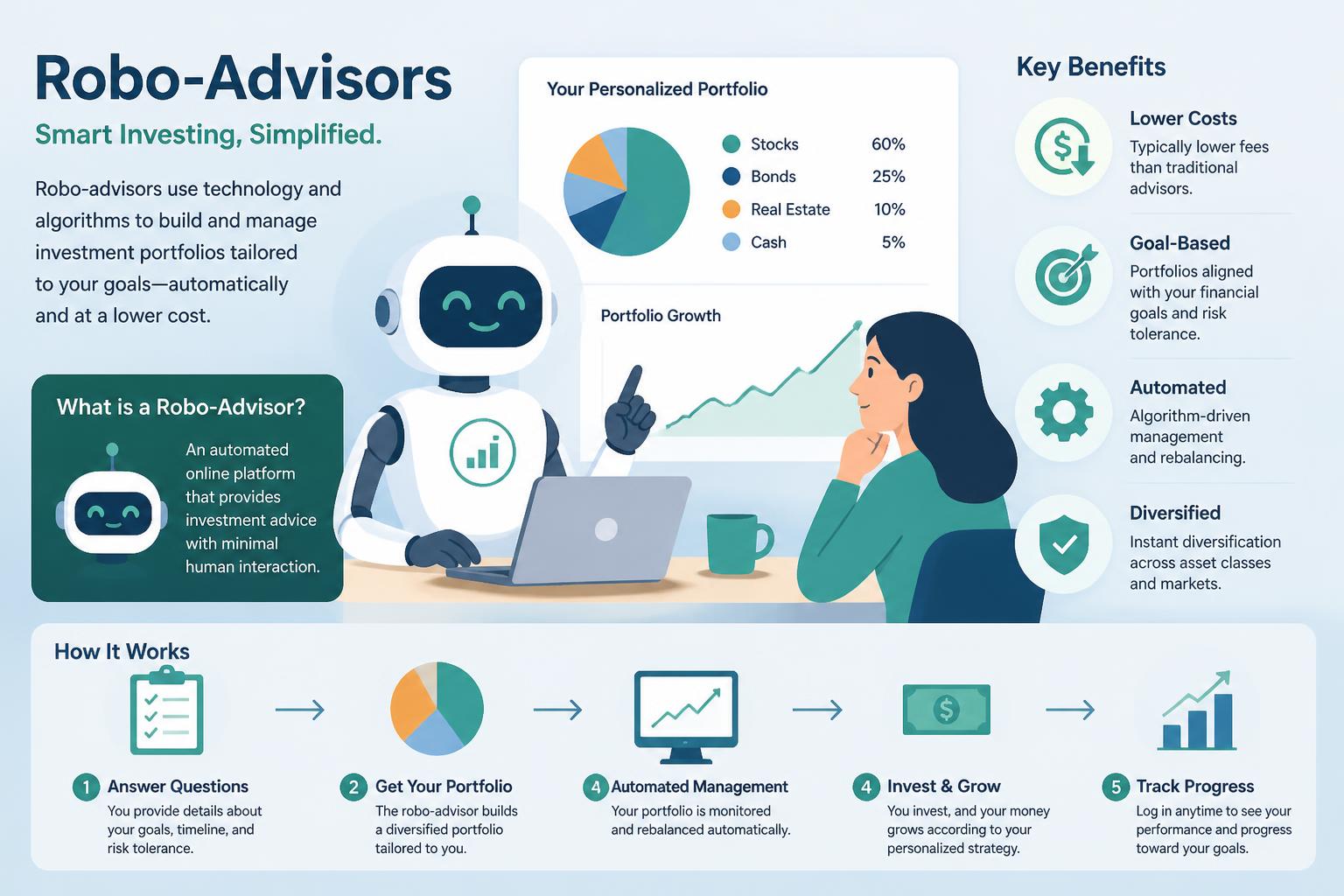
The setup is fairly straightforward.
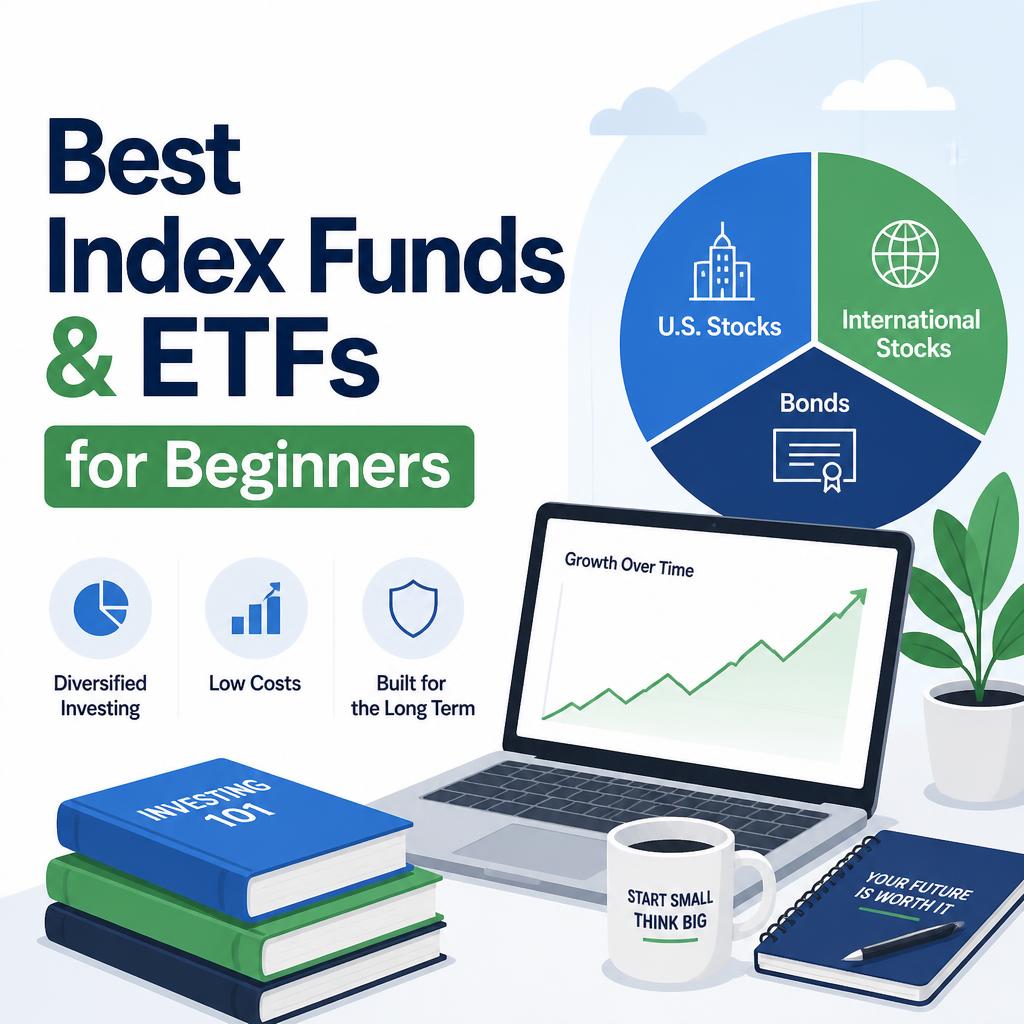
You pick a goal, answer a set of risk questions, and the platform assigns you a mix of ETFs. From there, your money is spread across a few broad categories like US stocks, international stocks, bonds, and sometimes real estate exposure.
The main thing happening behind the scenes isn’t stock selection. It’s maintenance. The system keeps things aligned so your portfolio doesn’t slowly drift away from what you originally chose.
A lot of the benefit here is behavioral. You stop reacting to headlines. You stop tinkering. That alone tends to help more people than any clever allocation ever would.
—
Fees in 2026
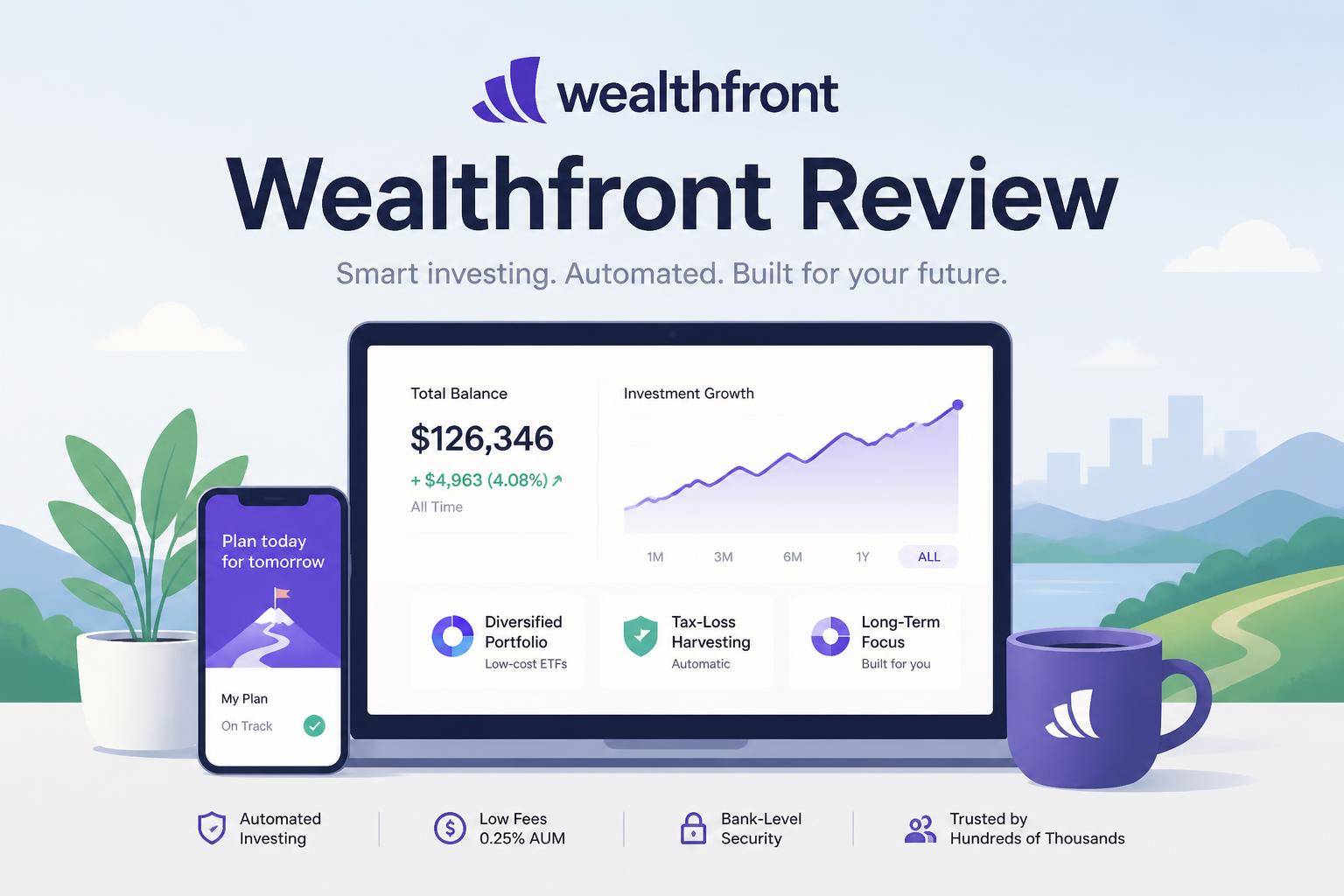
Wealthfront charges a 0.25% advisory fee per year. On top of that, you still pay the small ETF fees inside the portfolio, usually somewhere around 0.05% to 0.15%.
There are no trading commissions or hidden transaction charges.
Example:
On $50,000, you’re paying about $125 a year in advisory fees.
Compared to traditional financial advisors charging around 1%, it’s still relatively cheap. Compared to doing everything yourself with ETFs, it’s more expensive.
Whether that tradeoff makes sense depends on how much you value convenience.
Tax-loss harvesting is sometimes mentioned as a way to offset costs. It can help in taxable accounts during volatile markets, but it’s not something you can count on every year.
—
What kind of returns to expect
Wealthfront doesn’t try to beat the market. It mirrors it.
Returns depend on how aggressive your portfolio is, but in general you’re looking at broad market performance over time, not outperformance.
Historically, diversified portfolios land somewhere in the mid-single to high-single digit range annually before inflation, but year to year can swing a lot.
The important part is what Wealthfront is not doing:
- no stock picking
- no timing the market
- no attempt to outperform indexes
If you’re expecting anything beyond market returns, this isn’t the right tool.
—
Features that matter
Tax-loss harvesting
The system automatically sells positions at a loss when it makes sense for tax purposes and replaces them with similar exposure.
This only matters in taxable accounts. In retirement accounts, it doesn’t do anything useful.
—
Rebalancing
Portfolios drift over time. Stocks move, bonds move differently, and your original allocation slowly changes.
Wealthfront automatically corrects that so your portfolio stays close to your chosen mix.
It’s not exciting, but it prevents a lot of unnoticed risk buildup.
—
Goal tracking
You can split money into different goals like retirement or large purchases.
This is more about clarity than performance. It helps people avoid mixing long-term and short-term money, which is where a lot of investing mistakes start.
—
Strengths and weaknesses
What works well
- very low effort after setup
- solid tax tools for taxable accounts
- clean interface that doesn’t overwhelm
- good for staying consistent over long periods
Where it falls short
- no real control over portfolio design
- no ability to beat the market
- still costs more than DIY investing
- limited protection during market drops
- similar tools exist at lower cost elsewhere
—
How it compares
DIY investing with ETFs will almost always cost less. You just buy a few index funds and manage them yourself.
Betterment is very similar, with slightly more emphasis on planning tools.
Other newer fintech apps often add features, but in many cases they don’t change outcomes much. They mostly change the interface.
Wealthfront sits somewhere in the middle: not the cheapest, not the most flexible, but stable and straightforward.
—
Who it fits
It tends to work best for people who:
- want investing handled automatically
- don’t want to track markets at all
- prefer rules over decisions
- would otherwise leave money idle or panic during volatility
It’s less useful for people who:
- already invest in index funds on their own
- want full control over allocations
- are focused strictly on minimizing costs
- enjoy managing portfolios directly
—
Common ways people underperform
Most of the damage in investing doesn’t come from the platform. It comes from behavior.
People switch strategies too often. They overcomplicate portfolios. They pull money out during downturns and sit on cash until things “feel safe” again.
Even small fees also matter more than people expect when they compound over decades.
—
Final verdict
Wealthfront isn’t trying to be clever anymore, and that’s probably the point.
It’s built for people who want a system that handles investing without constant input. It tracks the market instead of trying to beat it, and it removes a lot of the emotional decisions that usually hurt returns.
If you already know how to invest cheaply on your own, it probably doesn’t add much.
If you don’t, or if you know you’ll interfere too much with your own decisions, it can quietly do its job in the background without demanding attention.
It’s not the cheapest option out there, and it’s not the most customizable. It’s just consistent.
—
Disclaimer
This is for general information only and not financial advice. Investing carries risk, including possible loss of capital.