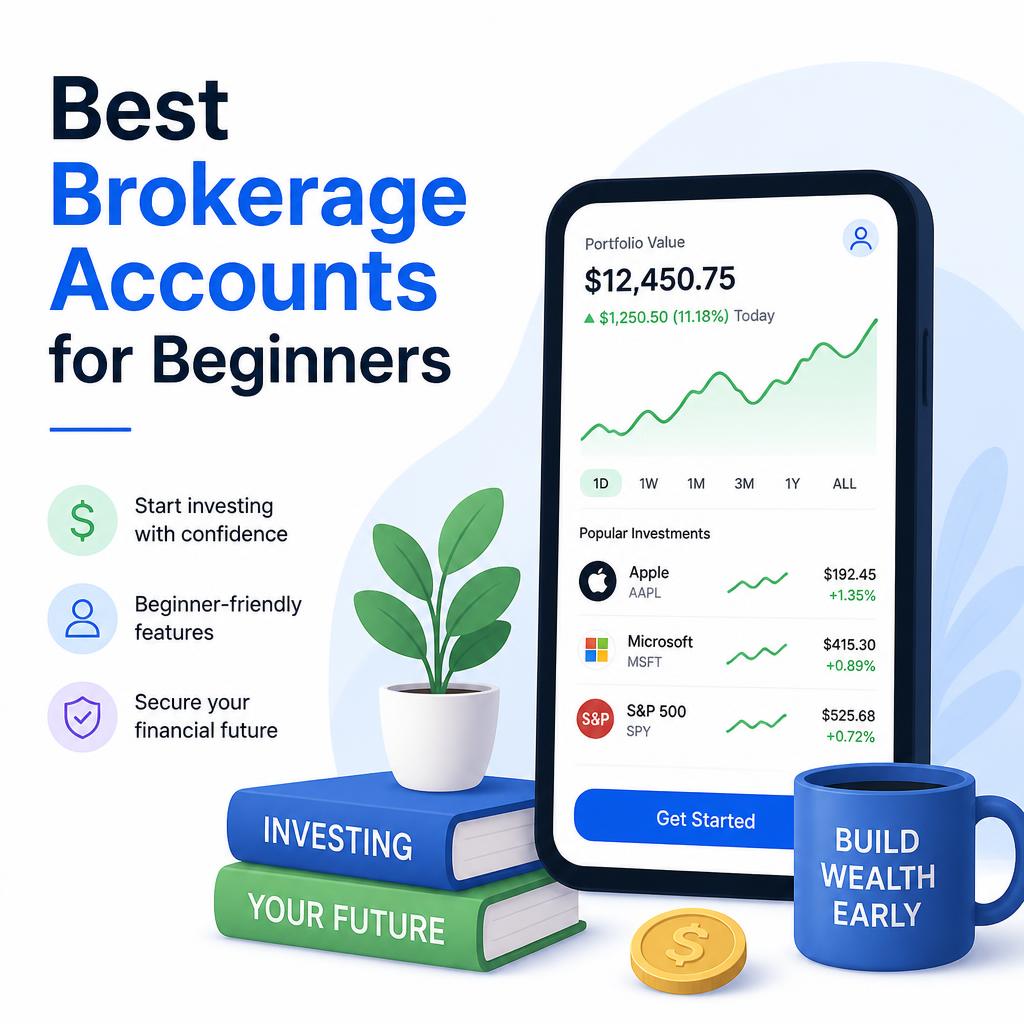
Best Brokerage Accounts for Small Budgets: Your Complete Guide to Smart Investing in 2025
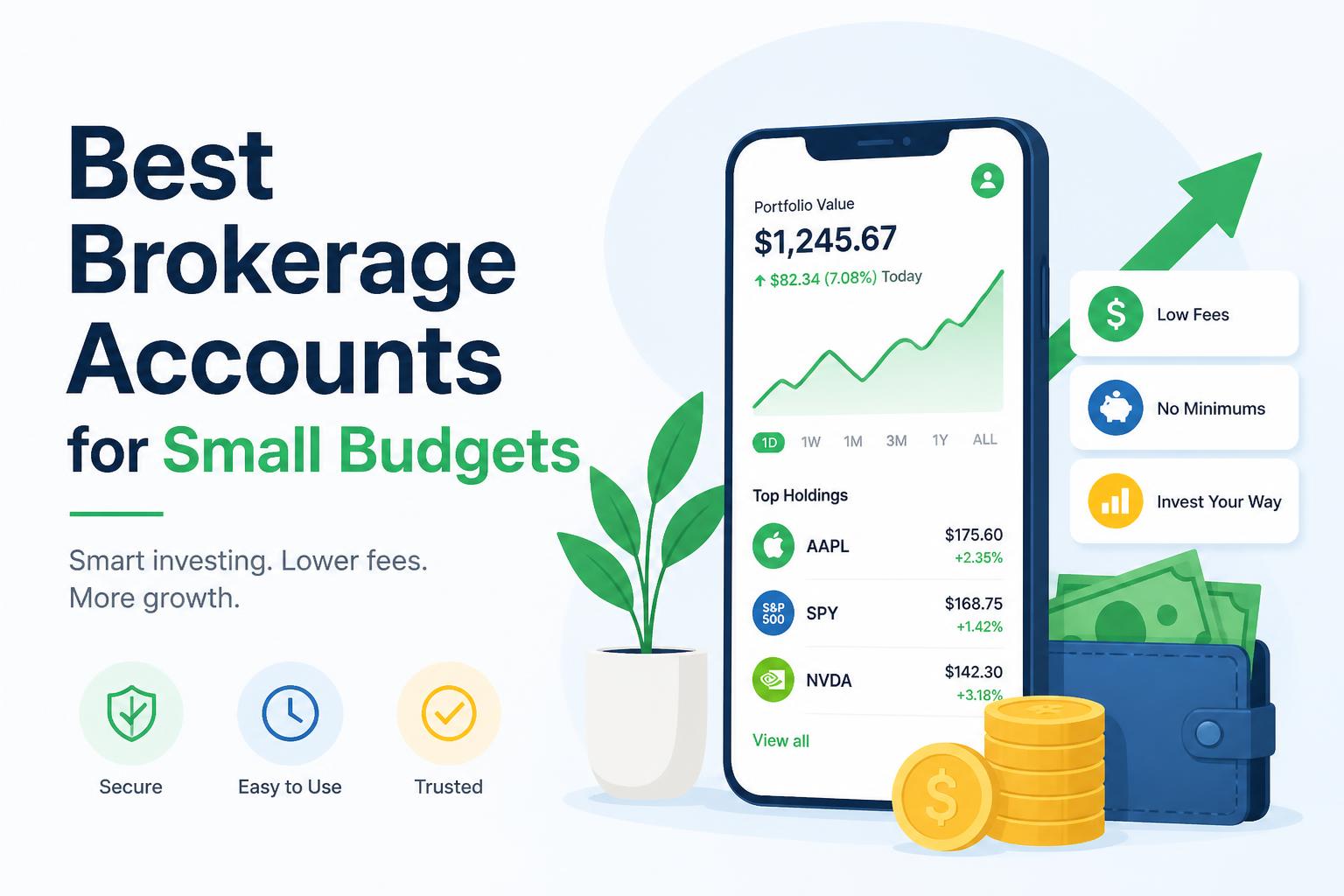
You don’t need thousands of dollars to start investing. The brokerages that once charged $7–$10 per trade now let you start with $100 or less, often with zero commissions. But not all platforms treat small investors equally. Some still hide fees that quietly drain a small portfolio.
Why Your Brokerage Choice Matters
When you have $500 to invest, a $50 annual account fee is a 10% hit before you even buy anything. Traditional brokerages used to take 2% of a small investment just in trade commissions. That’s changed, but you still need to watch for maintenance fees, limited investment options, and platforms that favor larger accounts.
The right brokerage gives you zero-commission trades, no account minimums, fractional shares, and tools to make informed decisions without paying extra.
What to Look For
No Account Minimums
Top brokerages dropped minimum deposit requirements. You can start with whatever you have.
Commission-Free Trading
Commission-free stock and ETF trading is standard now, but check what that covers. Some platforms still charge for options contracts, mutual funds, or phone trades.
Fractional Shares
Fractional shares let you buy a slice of expensive stocks. You don’t need $400 for one share of a tech stock when you can invest $10 and own a proportional piece. Essential for diversification on a small budget.
Low Fees
Beyond trading commissions, check for account maintenance fees, transfer fees, and expense ratios on available funds.
Educational Resources
Quality brokerages provide research tools and market analysis. When you’re starting small, you can’t afford expensive mistakes.
Top Brokerages for Small Investors
Fidelity: Best Overall
Fidelity has zero account minimums, commission-free trades, and fractional shares on thousands of securities. Their research tools are solid, and the interface works for beginners.
Strengths:
- No minimums or maintenance fees
- Fractional shares available
- 24/7 phone support
- Extensive research and educational content
- Zero expense ratio index funds
Downsides:
- Mobile app can feel cluttered for complete beginners
- Options trading requires approval
Charles Schwab: Best for Education
Schwab’s educational resources are thorough. Their Stock Slices program lets you buy fractional shares of S&P 500 companies starting at $5.
Strengths:
- No minimums or commissions
- Stock Slices for fractional investing
- Over 300 commission-free ETFs
- Branch locations for in-person support
- Free financial planning tools
Downsides:
- Fractional shares limited to S&P 500 companies
- Some features require higher balances
Robinhood: Best for Simplicity
Robinhood pioneered commission-free trading with a mobile-first design. The interface is dead simple.
Strengths:
- Extremely simple interface
- No minimums or commissions
- Fractional shares on most stocks and ETFs
- Instant deposit access (up to limits)
- Cryptocurrency trading available
Downsides:
- Limited research tools
- Customer service primarily through app
- Past regulatory issues and outages
Webull: Best for Active Traders
Webull targets active investors with advanced charting and extended trading hours (4am–8pm ET). No minimums or commissions.
Strengths:
- No minimums or stock/ETF commissions
- Advanced technical analysis tools
- Extended hours trading
- Fractional shares available
- Cryptocurrency trading
Downsides:
- Interface may overwhelm beginners
- Limited mutual fund options
- Smaller support network
M1 Finance: Best for Automated Investing
M1 Finance combines automation with customizable portfolios. Their “pie” system sets target allocations and invests automatically.
Strengths:
- No management fees or commissions
- Automatic rebalancing
- Fractional shares on all investments
- Customizable portfolio “pies”
- No minimum for taxable accounts
Downsides:
- One trading window per day for free accounts
- $500 minimum for retirement accounts
- Not for active traders
How to Choose
Match Your Style
Passive investors who buy and hold: M1 Finance or Fidelity work well for automatic investing and low-cost index funds.
Active traders who need real-time data and frequent trading: Webull or Schwab have better tools.
Complete beginners: Robinhood’s simplicity or Schwab’s learning resources both work.
Match Your Goals
Short-term goals (under 5 years): Look for high-yield cash management and easy withdrawals. Fidelity’s cash management pays competitive rates.
Long-term retirement: Schwab and Fidelity have strong IRA offerings and retirement planning tools.
Building a diversified portfolio: Make sure fractional shares and a wide range of ETFs and index funds are available.
Calculate Actual Costs
Even with commission-free trades, costs add up:
- Options contracts typically cost $0.50–$0.65 each
- Some account types carry fees
- Mutual fund expense ratios vary; low-cost index funds save money
- Compare interest rates on uninvested cash
A $10 annual fee on a $500 account is 2%—potentially more than your gains.
Mistakes to Avoid
Chasing Sign-Up Bonuses
Bonuses often require large deposits or waiting periods. Don’t pick an inferior platform for a bonus that might not materialize.
Ignoring Investment Options
Commission-free trading is useless if the platform doesn’t offer the investments you need. Check for index funds, ETFs, and specific securities you want.
Overlooking Mobile Experience
If you’ll invest via smartphone, test the app first. Some platforms have good web interfaces but clunky mobile apps.
Forgetting About Taxes
Check for tax-loss harvesting, tax-efficient funds, and clear tax reporting. Good brokerages provide usable Form 1099s.
Underestimating Customer Service
When you’re learning, accessible support matters. Check support hours, channels, and user reviews.
Maximizing Returns with a Small Budget
Start with Index Funds or ETFs
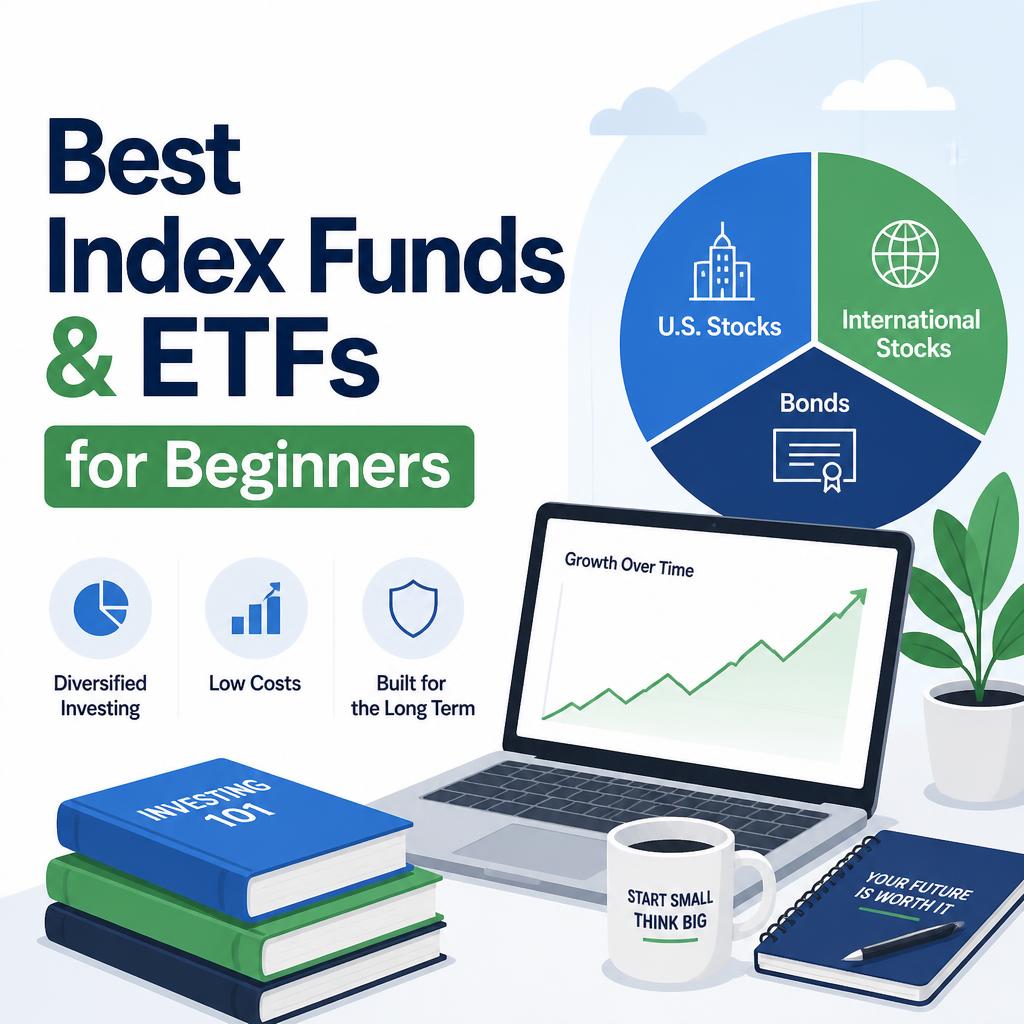
Individual stock picking requires time and carries higher risk. Low-cost index funds or ETFs provide instant diversification. Look for expense ratios under 0.20%.
Automate Your Investments
Set up automatic contributions, even $25 weekly. Consistent investing removes emotion from timing decisions and builds wealth through dollar-cost averaging.
Reinvest Dividends
Enable automatic dividend reinvestment (DRIP). Small dividend payments buy additional fractional shares without commissions.
Use Fractional Shares
Don’t let high stock prices limit diversification. Build a balanced portfolio across multiple companies regardless of share price.
Focus on Long-Term Growth
Avoid day trading or chasing hot stocks. Small budgets can’t absorb big losses, and frequent trading usually leads to poor returns after taxes.
Account Types
Individual Brokerage Accounts
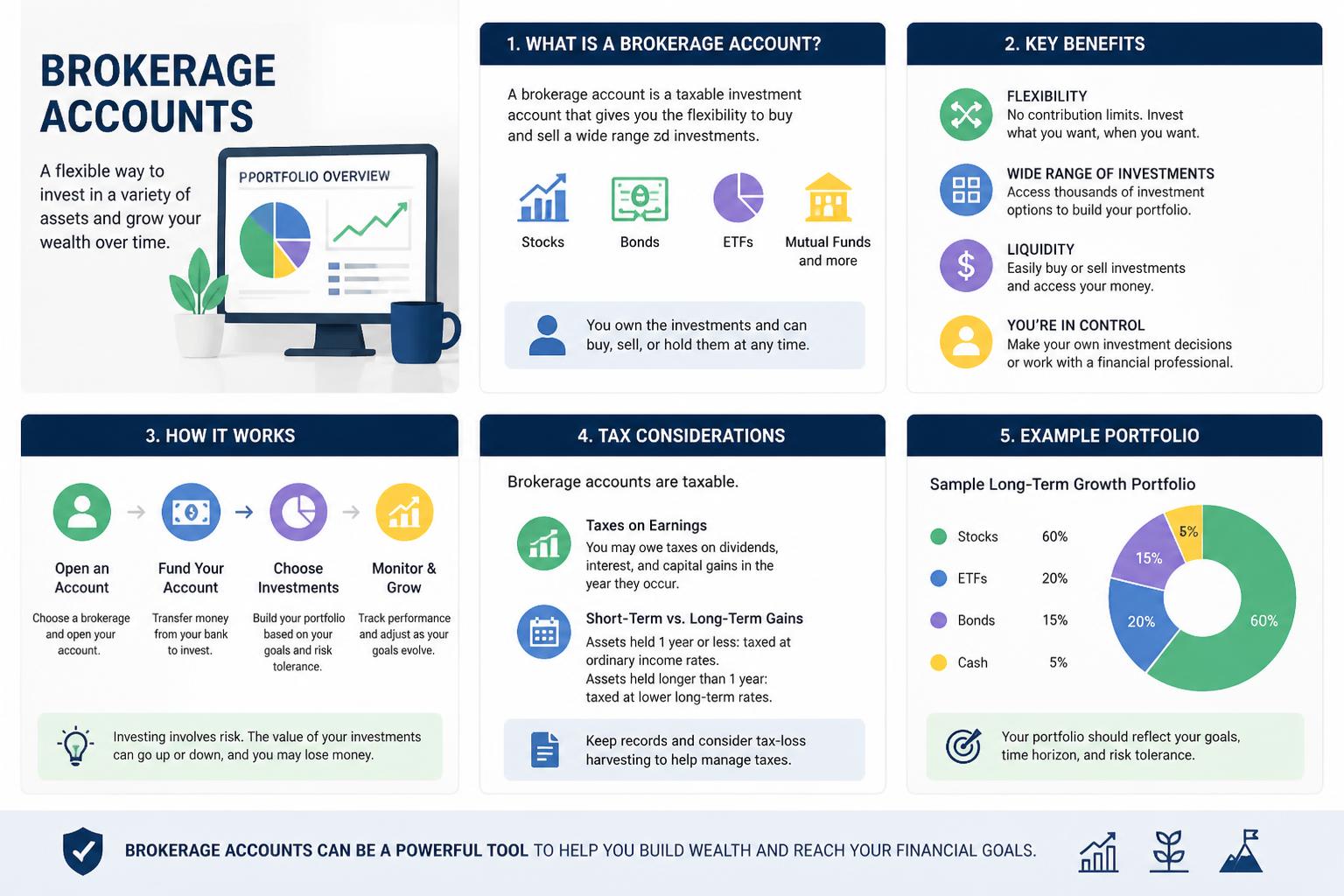
Most flexible—no contribution limits or withdrawal restrictions. You’ll pay taxes on dividends and gains annually. Best for general investing after maxing retirement accounts.
Roth IRA
Contributions are after-tax, but qualified withdrawals in retirement are tax-free. 2025 limit: $7,000 ($8,000 if 50+). Good if you expect higher tax rates later.
Traditional IRA
Contributions may be tax-deductible now. Withdrawals in retirement are taxed as income. Better if you’re in a higher bracket now than you expect later.
401(k) Through Employer
If available, contribute at least enough for full employer match. It’s free money.
Getting Started
- Decide how much you can invest initially and contribute regularly
- Define your goals: short-term savings, retirement, or general wealth building
- Compare platforms based on your needs
- Open your account with personal and financial information
- Link your bank and transfer your initial investment
- Start with a diversified ETF or index fund, not individual stocks
- Schedule regular contributions to build consistently
The Bottom Line
Fidelity offers the best overall value for small budgets, combining solid tools with beginner-friendly features. Schwab excels in education. Robinhood is dead simple for first-time investors.
Your choice depends on your style, goals, and comfort with technology. Any of these platforms will work. The important part is starting.
Successful investing isn’t about the perfect platform or timing the market. It’s about starting early, investing regularly, and staying patient. Even small amounts invested consistently grow substantially over decades.
Pick a reputable broker from this list, open an account, and start. Analysis paralysis is worse than an imperfect choice.